
Posture Correction Exercises You Can Do at Home
Maintaining proper posture is crucial for overall health, especially when working from home or during exercise. Poor posture can lead to chronic pain, decreased productivity, and long-term health issues. Fortunately, numerous effective exercises can be performed at home, focusing on correcting posture. Before engaging in any workout routine, ensure you properly warm up. Engaging in basic stretches helps to prepare the body, preventing injuries and enhancing flexibility. Focus particularly on stretching the neck, shoulders, and back, which bear the brunt of poor posture. While these exercises are essential, consistency is equally important. Aim to integrate posture correction exercises into your daily routine to achieve significant benefits. Using reminders or setting specific times for these activities can help create good habits. Another vital aspect is to listen to your body. If an exercise causes pain or discomfort, it might be advisable to modify the movement or seek guidance. Remember, improving posture is a process that takes time and commitment. Balance between strengthening muscles and stretching them is essential for overall improvement.
Key Exercises to Improve Your Posture
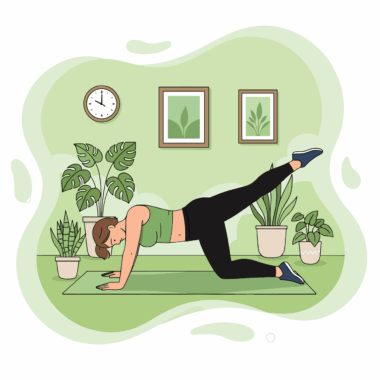
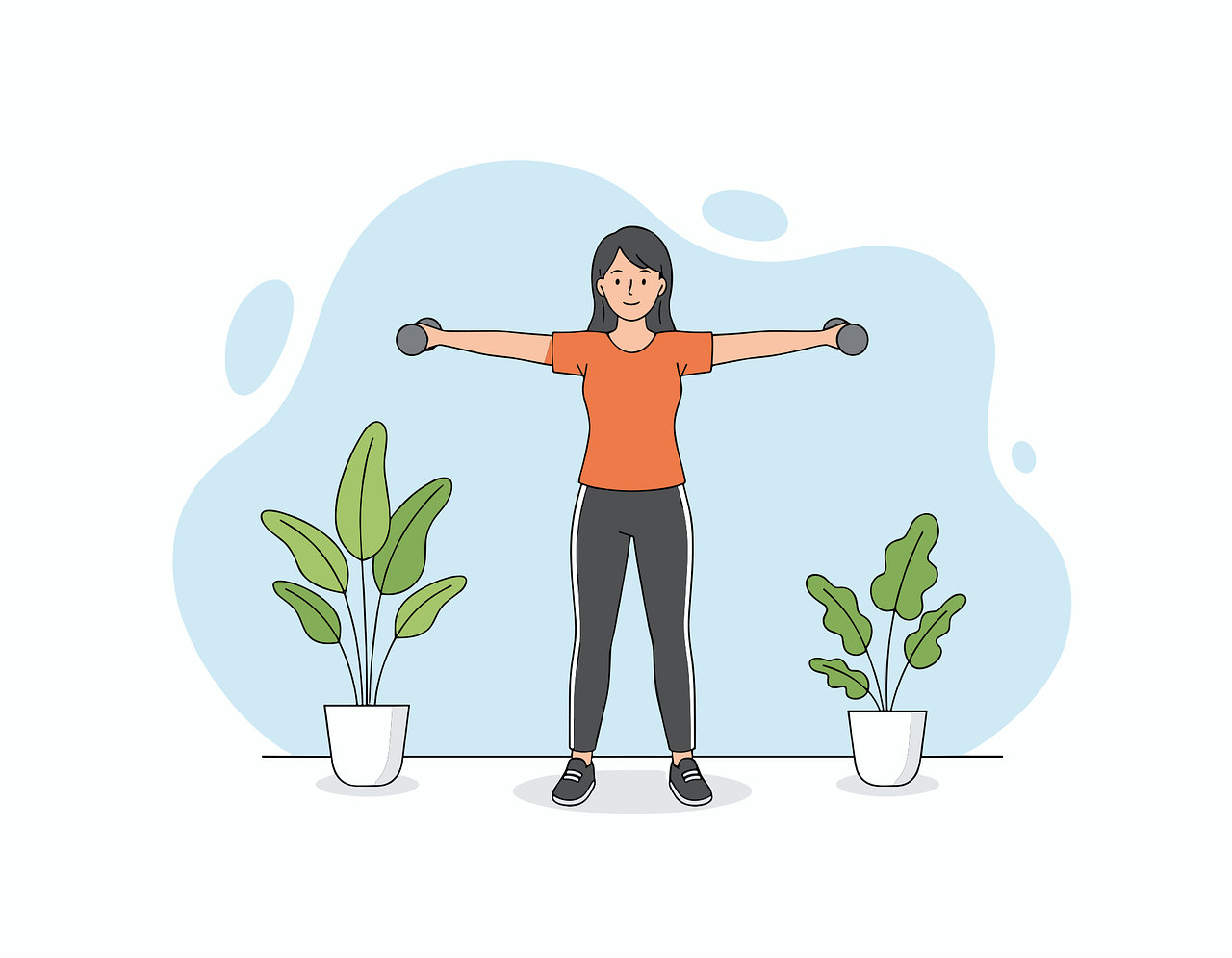
Incorporating targeted exercises can lead to noticeable improvements in your posture over time. Some effective exercises include the wall angel, where you stand with your back against a wall and raise your arms. This exercise helps strengthen your upper back and improve shoulder mobility. Planking is another fantastic exercise that can enhance core stability. A stable core contributes significantly to maintaining an upright posture while sitting or standing. Using a stability ball while sitting can also promote better postural habits. Strengthening exercises such as glute bridges can further support proper alignment of the pelvis and spine. Make a habit of performing these exercises several times weekly to achieve better results. Additionally, incorporate mobility exercises like the cat-cow stretch to enhance spinal flexibility. Don’t forget to engage your abdominals while sitting, as this helps maintain the lumbar curve. Finally, practicing mindfulness about your posture throughout the day can reinforce the exercises you are doing. Small reminders, like setting your workstation ergonomically, will effectively complement your exercise routine.
For those who have jobs requiring long hours of sitting, specific exercises tailored to combat sedentary behavior can be beneficial. The seated spinal twist is particularly advantageous, allowing for a gentle stretch of the back and improvement in overall spinal flexibility. Another easy yet effective exercise is the chin tuck, aimed at strengthening neck muscles that help align your head. Try incorporating these movements into your hourly routine for effective results. Make it a point to take short breaks to do quick stretches or exercises. Also, consider adding yoga to your routine, which not only promotes flexibility but actively addresses posture through various poses. A regular yoga practice, focusing on poses like mountain pose or downward dog, can make a tremendous difference. Additionally, building a habit of standing up during phone calls or meetings can contribute significantly to your posture improvement. Remember, every small change counts! Consistently implementing these exercises into a busy lifestyle is achievable with diligence and persistence. Over time, you will most likely start noticing positive changes in your posture as well as your overall posture awareness.
Monitoring your posture throughout the day is vital in reinforcing your commitment to correcting it. Many individuals are unaware of their body position while engaged in various activities. By actively checking posture during daily tasks, you can address poor habits effectively. Consider setting reminders on your phone or using apps focused on posture correction. Additionally, ensuring that your workspace is ergonomically sound can assist significantly in maintaining optimal posture while working. Chairs that support the lumbar region, adjustable desks, and positioned monitors can facilitate healthy sitting. Regularly evaluate your workstation setup to ensure it accommodates your needs. Beyond physical adjustments, becoming aware of habitual postures during common activities plays an essential role in making lasting changes. For example, practice maintaining proper alignment while using your phone or laptop. You might also consider standing instead of sitting whenever feasible. Encouraging movement breaks, even briefly, can reclaim flexibility otherwise lost to long hours of immobility. Remember that improving your posture takes time, and understanding your body’s responses to various positions will significantly aid in your journey toward better alignment.
Complementary Lifestyle Changes for Better Posture
Beyond physical exercises, implementing sound lifestyle changes plays equally significant roles in improving posture. Begin by integrating more physical activity into your day. Activities such as walking or cycling not only help with posture correction but also enhance general health. Aim for at least 30 minutes of moderate exercise most days; this will ultimately support your posture improvement efforts. Focus on maintaining awareness of your body and making conscious efforts to reduce excessive screen time. Implementing posture checks at regular intervals can help you recalibrate body awareness and rectify posture-related issues. Sleep plays a crucial role in physical wellness, too; ensure you have a supportive mattress and pillow arrangement conducive to good spinal alignment. By practicing good sleep hygiene and finding suitable sleeping positions, you can foster better posture even during rest. Staying hydrated and nourishing your body adequately will present significant benefits for muscle health and flexibility. Adequate hydration supports muscle recovery, especially after intense activities. Nutrition rich in anti-inflammatory foods can assist muscle recovery, thus further promoting better posture. Make supportive lifestyle habits a priority for a comprehensive approach to posture correction.
Staying motivated throughout your posture correction journey is essential for long-term success. Track your progress by journaling your experiences with different exercises and modifications. Documenting your achievements can provide invaluable insights into what works best for your body. Engaging with online communities focused on fitness and posture can also foster motivation. Consider joining forums or social media groups, sharing success stories, and connecting with others who share similar goals. Seek out online resources such as video tutorials or personal trainers to guide your home workouts. Learning new exercises can add diversity to your routine and prevent it from becoming monotonous. Additionally, having a workout buddy or family member to join you can make exercises more enjoyable and create an environment of accountability. Utilize technology, such as fitness apps or wearables, which can provide tailored reminders, tips, and track progress effortlessly. Games or challenges involving posture can also be an enjoyable way to stay engaged. Remember that every step you take towards improving your posture is a step towards a healthier lifestyle, so celebrate your milestones, no matter how small.
Conclusion on Home Posture Correction
In conclusion, dedicating time to correcting your posture at home can yield transformative changes. By combining effective exercises with awareness of your body’s positioning, you can significantly reduce pain and avoid long-term complications associated with poor posture. Establishing a routine that includes various exercises ensures balance between strengthening and flexibility. Employing related lifestyle changes can further enhance your efforts. Staying engaged in the process and tracking your progress offers motivation when results take time. Remember to listen to your body, make adjustments as needed, and consult professionals if pain persists. Consistency is key; even small doses of daily movements can lead to significant improvements over time. Surround yourself with supportive resources, including communities and online tools, to foster commitment to your posture journey. All these elements create not only better posture but also a healthier and happier lifestyle overall. Improvements will reflect in your physical appearance and general well-being, boosting confidence and productivity. Embrace the change; start today and take positive steps toward a better posture while working from home or engaging in other daily activities.
Whether it is during work breaks or dedicated session times, every effort counts towards achieving desired results. It is a process of awareness, consistency, and commitment. Keeping these tips in mind can make substantial positive alterations to your overall health.