
Electrolyte Supplements: Do They Improve Hydration?
In recent years, the popularity of electrolyte supplements has soared, particularly among athletes and fitness enthusiasts. These supplements contain essential minerals such as sodium, potassium, magnesium, and calcium that play a critical role in maintaining fluid balance and overall health. Many individuals believe that these supplements help enhance hydration levels after rigorous workouts or intense physical activities. While hydration is crucial for optimal performance, the effectiveness of electrolyte supplements is sometimes debated. Look at it this way: during exercise, you lose electrolytes through sweat, and replenishing them might be necessary for some athletes. However, for everyday hydration needs, whole foods like fruits and vegetables could provide sufficient electrolytes without needing supplements. The primary concern revolves around whether supplementation significantly impacts hydration levels compared to natural food sources. Ultimately, anyone considering electrolyte supplements should carefully assess their individual needs, intensity of workouts, and dietary habits before deciding on supplementation. Consulting a healthcare professional could also provide tailored advice on whether these supplements are a necessary addition to one’s routine for better hydration and overall wellness.
Electrolytes, which include sodium, potassium, and magnesium, are vital for many physiological functions. They help regulate nerve impulses, muscle contractions, and hydration status by attracting and holding water in the body. When we sweat, we lose not just water but also electrolytes, leading to a potential deficiency if not replenished adequately. For individuals who engage in prolonged, intense sports or outdoor activities, taking electrolyte supplements can be beneficial for preventing dehydration and supporting recovery. On the other hand, casual exercisers might find that their food intake provides adequate electrolytes without requiring supplementation. Foods like bananas, oranges, spinach, and dairy are excellent sources of these nutrients. Studies have shown that proper hydration, along with maintaining electrolyte balance, can enhance performance and reduce fatigue. However, it’s equally important to recognize that excessive consumption of electrolyte supplements can lead to imbalances and health issues. Therefore, understanding the right dosage and respecting individual needs is crucial for anyone considering an electrolyte supplement to improve hydration and enhance their athletic performance.
Benefits of Electrolyte Supplements
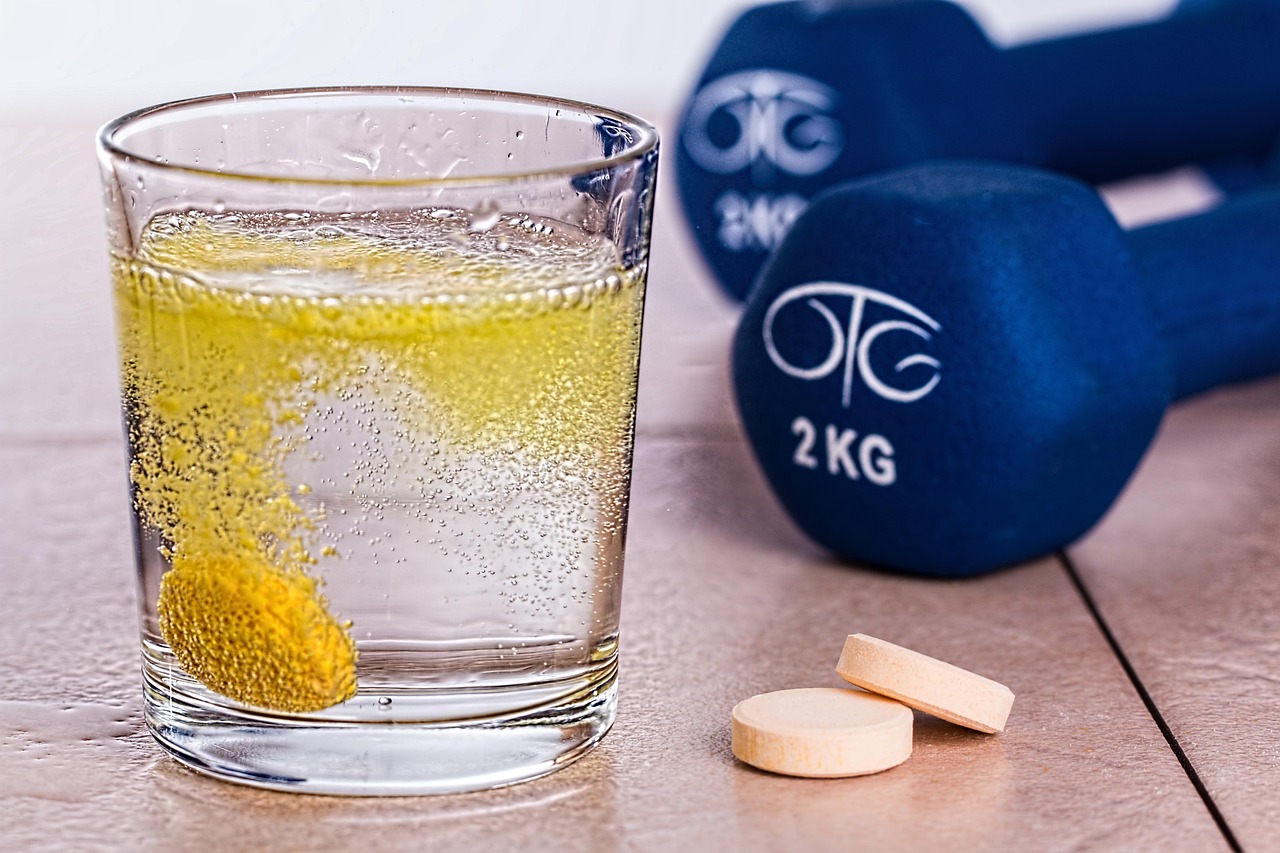
Electrolyte supplements can offer multiple benefits, particularly for those involved in strenuous physical activities. They help maintain fluid balance, which can prevent dehydration and improve performance during workouts. Additionally, electrolyte supplementation may help alleviate muscle cramping and fatigue, common issues athletes experience when they sweat excessively. Moreover, some people find that consuming these supplements can lead to faster recovery post-exercise, as they replace lost electrolytes swiftly. In situations where hydration is critical, such as hot weather or altitude training, these supplements may provide an edge in maintaining endurance levels. Notably, their convenience also makes them appealing; they come in various forms including powders, tablets, or ready-to-drink beverages, making it easier to consume as needed. However, relying solely on supplements without understanding one’s overall electrolyte intake from foods may not be advisable. Balance is key; it’s essential to approach hydration holistically, prioritizing a diverse diet while using supplements as a complementary tool when necessary for improved hydration and performance, especially during high-intensity activities.
Despite the potential advantages, there are also drawbacks associated with electrolyte supplements. Some supplements may contain excessive sugars, artificial flavors, and colors that can contribute to unwanted caloric intake and affect overall health. The presence of high sugar levels in certain sports drinks can lead to weight gain and other metabolic issues if consumed in excess. Additionally, individuals might miscalculate their electrolyte needs, leading to an imbalance due to overconsumption of particular minerals, which can cause health complications. Conditions such as hypernatremia (high sodium levels) or hyperkalemia (high potassium levels) can arise from improper use of supplements. Therefore, understanding personal hydration requirements and consulting with a healthcare professional helps mitigate these risks. Additionally, anyone with underlying health conditions or taking medications that impact electrolyte levels should exercise caution when considering supplemental forms of these nutrients. Supplements can serve as a useful resource, but they should complement, rather than replace, a balanced diet rich in whole foods providing natural electrolyte sources, fostering improved hydration safely and effectively.
Choosing the Right Electrolyte Supplement
Selecting an appropriate electrolyte supplement can seem overwhelming given the myriad of options available on the market. To make an informed choice, it’s essential to consider factors such as nutritional content, ingredients, and personal hydration needs. Firstly, look for supplements that provide a balanced mix of electrolytes, including sodium, potassium, magnesium, and calcium, tailored to support your workout or activity levels. Furthermore, scrutinizing ingredient labels is crucial—you should seek products with minimal added sugars, artificial colors, or preservatives. An organic or natural formulation may align better with a health-conscious lifestyle. Pay close attention to the recommended dosage, as using more than what’s suggested can lead to adverse effects. Additionally, opting for reputable brands with transparent practices ensures you’re investing in quality products. Listening to your body’s signals during workouts also helps determine if a supplement is genuinely delivering benefits or if adjustments are needed to optimize your hydration strategy. Combining these insights can lead to more effective hydration and performance during physical activities.
Understanding hydration timing is crucial for maximizing the benefits of electrolyte supplements. Active individuals should tailor their supplement timing to align with workout schedules. Consuming electrolytes before, during, and after exercise can help maintain hydration levels and replenish lost minerals efficiently. Drinking an appropriate electrolyte drink before engaging in exercise can prepare the body for intense activity, while sipping on it throughout workouts can ensure that hydration is sustained. Post-exercise consumption, preferably within 30 minutes of completing a workout, aids in recovery by restoring lost electrolytes and preventing excessive fatigue the following day. While it may seem convenient to grab a sports drink after a workout, awareness regarding your body’s specific hydration needs remains vital for effectiveness. Additionally, personal taste preferences can play a role in supplement consumption; choosing a flavor you enjoy will increase the likelihood of consistent use. Ultimately, establishing a hydration plan that incorporates electrolyte supplements can lead to a significant positive impact on performance levels while reducing the risk of dehydration during physical activities.
Conclusion on Electrolyte Supplements
In conclusion, electrolyte supplements can be a valuable tool for improving hydration, especially for individuals engaged in vigorous physical activities. They provide essential minerals necessary for maintaining fluid balance, overall performance, and recovery while helping to prevent dehydration. However, the effectiveness of these supplements should be considered within the context of dietary needs and individual activity levels. Whole foods often serve as adequate sources of electrolytes, making it essential to prioritize a well-rounded diet that includes fruits, vegetables, and other natural sources of these nutrients. When used appropriately, electrolyte supplements can enhance athletic performance and support hydration, but they should never replace the foundational benefits of a balanced diet. It’s crucial to approach supplementation thoughtfully, considering quality, timing, and personal hydration needs. Consulting with a healthcare provider can offer additional guidance tailored to your specific situation and goals. By finding the right balance between diet, hydration, and supplementation, individuals can optimize their physical performance while promoting their overall health effectively.
Understanding Your Body’s Electrolyte Needs
To ensure optimal hydration, understanding your body’s specific electrolyte needs is paramount. Individual requirements for electrolytes vary based on factors such as age, sex, activity level, and climate. For instance, athletes participating in high-intensity training or competitions may need greater amounts of sodium and potassium to compensate for losses incurred during sweating. In contrast, sedentary individuals may achieve sufficient hydration through water and regular meals. Paying attention to thirst signals and monitoring urine color can provide insights into hydration status. Clear or light-colored urine indicates proper hydration, whereas darker urine often signals dehydration. For anyone engaging in prolonged physical exertion, electrolyte supplementation can support hydration levels, but it’s essential to avoid excessive reliance on these products. Overconsumption may lead to an imbalance, detracting from health goals instead of promoting them. Tailoring supplement intake to align with personal hydration needs helps ensure effective usage. By being mindful of these factors, individuals can better navigate their hydration journey, ultimately enhancing performance and well-being through responsible electrolyte management.