
Improving Flexibility with Home Stretching Exercises
Flexibility is crucial for overall health, and incorporating stretching exercises at home is a fantastic way to enhance it. When performed correctly, stretching can improve muscle elasticity, increase range of motion, and help prevent injuries. Everyone, regardless of their fitness level or age, can benefit from regular stretching. Moreover, home workouts provide the convenience to create a routine tailored to individual needs and schedules. This is especially useful for those who may find it hard to visit a gym or attend classes. Adding a stretching routine to your home workouts not only boosts flexibility but also promotes relaxation and stress relief. You can find numerous stretching routines online that cater to different body parts, from your back to your legs. Remember to stay consistent; flexibility does not develop overnight but through dedication and persistence. Each stretch should be held for at least 15-30 seconds to be effective—this ensures that muscle fibers properly lengthen. Stick with it, and you’ll notice significant improvements over time.
The Importance of Consistency
To see results from your home stretching exercises, consistency is key. When you perform stretches regularly, you’ll not only maintain but also improve your current range of motion. Set a specific schedule for stretching sessions, aiming for at least three times a week at home. Consider picking specific times during the day that work for you, such as after waking up or before settling into bed at night. Each session should take about 10-15 minutes. Use this time wisely to focus on your areas of concern, whether that’s tight hips or a stiff back. If you’re struggling with motivation, consider setting small goals to track progress, such as increasing hold times or successfully performing more challenging stretches. Moreover, it’s essential to remain patient; flexibility improvements often take time. You may only feel small changes initially, but with persistence, those small gains add up significantly. Find enjoyment in the process; combining relaxing music or a video can make your stretching sessions more fulfilling and effective. Stay committed, and you’ll reap the benefits of improved flexibility at home.
Before diving into your stretching routine, it’s crucial to warm up your muscles first. Warming up increases blood flow to your muscles, improves performance, and reduces the risk of injury. You can achieve this with a few minutes of light aerobic activity, such as brisk walking in place, gentle jogging, or dynamic movements like arm circles. Once your body feels warm, you’ll be better prepared for deeper stretches that enhance flexibility. Consider using props like yoga blocks or straps to assist during your routine. These tools can provide additional support and help you achieve proper alignment, ensuring safe stretching. It’s about listening to your body and knowing your limits; never push through pain. Keep in mind that stretching should not be painful. If a particular stretch causes discomfort, revert to a less intense version or modify the position. Most importantly, maintain steady breathing throughout each stretch. Inhale deeply as you prepare to go deeper into your stretch, and exhale slowly as you release. This mindful approach will enhance the effectiveness of your routine.
Key Stretching Techniques to Try
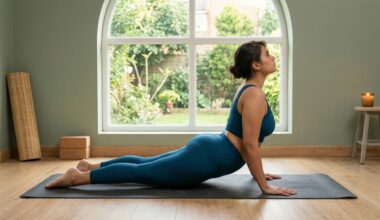
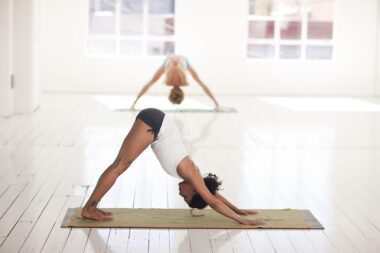
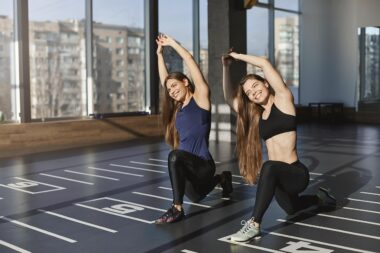
There are a variety of stretching techniques to incorporate into your routine, catering to different muscle groups. Static stretching is one common type that involves holding a stretch at a comfortable point for a designated period. For example, a simple hamstring stretch entails sitting down and extending your legs while reaching for your toes. Dynamic stretching, on the other hand, incorporates movement and gradual increases in reach, like lunges with a twist or leg swings. Yoga is also an excellent resource for effective home stretching. Poses like Downward Dog or Child’s Pose not only stretch muscles but also promote relaxation. Integrating foam rolling can enhance your stretching routine, helping to relieve muscle tightness through self-myofascial release. Whichever techniques you choose, ensure variety to target major muscle areas. By switching up your routine, you can prevent boredom and keep your body challenged. Creating a balanced mix of static, dynamic, and yoga stretches can provide a comprehensive flexibility workout, ensuring you work all muscle groups for optimal results.
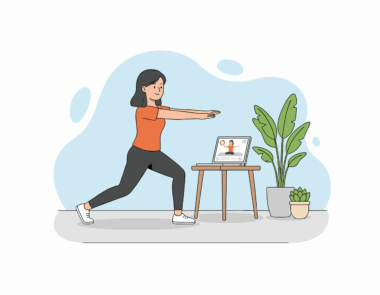
Many find benefits from incorporating guided videos in their home stretching sessions, which can enhance motivation and technique. Online resources offer diverse programs designed for all fitness levels, allowing you to follow along at your pace. Incorporating light music or nature sounds can create a peaceful atmosphere, making it easier to relax during your session. Let’s not forget about hydrating before and after stretches. Proper hydration supports muscle function and prevents cramps, enhancing your overall flexibility experience. Review your progress regularly to stay motivated; consider journaling about your flexibility journey. Documenting achieved milestones inspires you to continue. Furthermore, listening to your body is vital. If you experience any pain or discomfort, modify your approach to that stretch. Celebrate small victories too, like achieving a deeper stretch over time or completing your stretching routine consistently. Keep a positive attitude and ensure you’re enjoying the process, as you’ll be more inclined to continue. Embracing a holistic approach incorporating the right mindset, guided techniques, and self-care will transform your flexibility and wellness at home.
Enhancing Flexibility with Mindfulness
Mindfulness plays a significant role when performing home stretching exercises. By focusing on your breath and being present in the moment, you can enhance the release of tension in your muscles. Mindful stretching promotes not only physical benefits but also mental relaxation, supporting a balanced approach to health. Consider adding visualization techniques to your routine; imagine your muscles lengthening as you hold each stretch. This mental aspect can reinforce the physical process, leading to better results. Practicing yoga or Tai Chi can further combine mindfulness with flexibility training. Sessions encourage slow, deliberate movements and deep breathing, which deepen the stretch and invite relaxation. As you progress, fine-tune your awareness and connect deeply to how each stretch feels. Tracking the sensations in your muscles while stretching helps you differentiate between acceptable discomfort and pain, which can guide your practice. Moreover, remember to end each session with a moment of reflection, acknowledging your progress. Discuss your journey with friends or fellow practitioners to stay motivated and share experiences, thus enriching your home workouts and community connection.
In conclusion, improving flexibility with home stretching exercises maximizes health benefits and personal growth. Consistency, mindful practice, and incorporating various techniques create a comprehensive approach to flexibility. Use guided resources to tailor your routine and ensure a safe practice. Remember that warming up is essential, along with staying hydrated and maintaining a positive mindset. Periodically assess your progress and adjust your goals to suit evolving interests and capabilities. Flexibility improvements require commitment; however, the results are worthwhile. Improved range of motion enhances athletic performance and daily activities while also reducing injury risks. Enjoy exploring new stretches and techniques, and challenge yourself to pushing boundaries ethically. Be patient with your body as flexibility does not develop overnight, but through regular training and a healthy approach. Engaging in this journey will enrich not only your body but also your mind, leading to overall wellness at home. Ultimately, enjoy the freedom of creating your customized flexibility routine tailored to innate needs and preferences. Embrace the process diligently, and witness your body transform through dedicated home stretching practices.