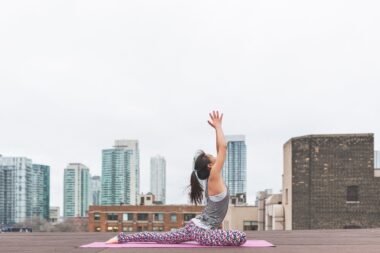

Stretching to Prevent Injuries During Outdoor Adventures
Outdoor adventures bring excitement and challenges, but they can also lead to injuries if adequate precautions are not taken. One of the most effective ways to reduce the risk of injuries during outdoor activities is through proper stretching techniques. Engaging in a regular stretching routine before embarking on adventures enhances flexibility and prepares the body for the physical demands ahead. Warm muscles are less prone to strains, making stretching essential for optimal performance. Not only does it promote flexibility, but it also improves blood circulation, delivering vital nutrients to the muscles. Moreover, stretching aids in enhancing overall movement quality and can even improve athletic performance. As a result, incorporating these techniques into your pre-adventure preparation can significantly enhance your experience. During outdoor activities, the body endures various stresses, often resulting in soreness or injury. Adequate stretching helps alleviate tension and keeps the muscles in peak condition to withstand these challenges. Ultimately, adopting a stretching routine is a proactive approach to ensuring a safe and enjoyable outdoor adventure, so make it a priority in your preparation.
Importance of Dynamic Stretching
Dynamic stretching is particularly beneficial before outdoor workouts as it encourages movement, mimicking the kinds of activities one will engage in during an adventure. Unlike static stretching, which typically involves holding a position for a prolonged period, dynamic stretching focuses on gradual movements and motions that prepare the body for exercise. This method not only warms up the muscles but also enhances joint mobility, setting the stage for a successful outing. When performed correctly, dynamic stretches engage multiple muscle groups and increase the heart rate, ensuring readiness for activity. Common dynamic stretches include high knees, leg swings, and arm circles, all of which activate core muscles and promote flexibility. Incorporating these movements into your routine helps prevent injuries from sudden exertion during physical activities. Important to note is that dynamic stretching should always be done at a moderate pace to avoid overstretching. It’s crucial to remember that stretching is a personal experience; always listen to your body. Finding a balance that serves your unique physical needs can lead to a more enjoyable and injury-free outdoor adventure.
Static stretching, on the other hand, is ideal for post-workout recovery, helping to relax the muscles after a strenuous outdoor activity. This type of stretching involves holding positions for 20 to 30 seconds, allowing muscles to elongate and loosen. Including static stretches after your outdoor workouts serves multiple purposes, such as reducing muscle stiffness, promoting blood flow, and preventing delayed-onset muscle soreness. Key static exercises like the standing quadriceps stretch, hamstring stretch, and butterfly stretch can be incredibly beneficial. Not only do they contribute to muscle relaxation, but they also help improve overall flexibility over time. After an outdoor adventure, it’s essential to allow your body to recover sufficiently to prepare for future activities. Engaging in static stretches enhances not only physical recovery but also mental relaxation as it allows the athlete to reflect on their workout. A clear reflection helps in planning future adventures by identifying areas for improvement. Client testimonials may reveal a significant reduction in muscle soreness and an overall enhanced sense of well-being after adopting these techniques in their workout routines.
Incorporating Stretching into Your Routine
When planning to engage in outdoor activities, one essential aspect is timing. Establishing a consistent routine that integrates both dynamic and static stretches makes a significant difference in your performance and injury prevention. Depending on the nature of the activity, appropriately timing your stretches can bolster your efforts. It may be helpful to allocate at least ten minutes for dynamic stretching before embarking on your adventure, dedicating a similar amount of time for static stretches afterward. Begin your dynamic routine with gentle movements, gradually increasing intensity as your muscles warm up. During post-activity static stretches, ensure each position is held comfortably without bouncing or forcing yourself into it. Doing so allows the muscles to lengthen and fosters relaxation. One effective approach is to create a checklist of stretches specific to various outdoor activities, ensuring no crucial muscle group is overlooked. This can include leg, back, and hip stretches for a hike or biking session. Additionally, engaging peers to join you in these routine stretches can turn a potentially mundane task into an entertaining one, encouraging regular practice among friends.
Another essential aspect of stretching is the integration of breath work, which enhances the effectiveness of both dynamic and static stretches. Breathing deeply and rhythmically while stretching helps to increase oxygen flow and aids in relaxation, making the experience more beneficial overall. Breath control is especially crucial during static stretching, where one must focus on calming the body as it transitions into a resting state. Techniques such as inhaling as you prepare to stretch and exhaling as you deepen into the stretch can significantly enhance the overall experience. Furthermore, establishing a connection between breath and movement encourages mindfulness; thus becoming a crucial mental aspect of preparation for outdoor adventures. Mindfulness helps to improve focus and body awareness, allowing individuals to listen to their bodies and avoid pushing beyond their limits. By integrating mindful breathing into your stretching routine, you create a holistic experience that enhances both physical and mental well-being. So, take time to focus on your breath while you stretch and reap the benefits of this powerful technique.
Specific Stretching Techniques for Different Outdoor Activities
Depending on the outdoor activity you engage in, different specific stretching techniques may be recommended. For example, if hiking is on the agenda, focusing on leg and hip stretches can prepare your lower body for the rigors of ascending and descending terrain. Stretching key muscle groups like the quadriceps, hamstrings, and calves is essential, as these will bear the burden of your movement. Furthermore, incorporating lower back and hip flexor stretches is crucial for maintaining proper posture throughout your hike. Conversely, if your plans include cycling, it’s vital to focus on the hip flexors, quadriceps, and lower back muscles, as they endure the most strain during extended periods of pedaling. Pre-cycle stretches may include seated forward bends and hip openers to enhance flexibility. If rock climbing is on your adventure list, pay attention to shoulder and arm stretches, making sure your upper body is adequately prepared. Tailoring your stretching routine to meet the demands of your chosen outdoor activity not only improves performance but also aids in preventing injuries.
Listening to your body and maintaining regular assessments of your flexibility levels is crucial in tailoring a stretching regimen that works for you. Everyone’s body is different, and activity levels may vary from week to week. Therefore, it’s essential to be mindful of your unique limits and adjust your stretching routine as needed. Regularly check in with how your body responds to specific stretches, making note of tight areas or muscle groups that require additional attention. Keeping a stretching journal can be a useful way to track progress over time. Document how various stretches affect your performance and any changes in flexibility. This practice also offers insight into what works best for you, empowering you to make informed decisions about your routine. Don’t hesitate to modify intensity levels or duration of stretches to suit your needs. Listening to your body signals helps you maintain a safe and effective routine that encourages injury prevention. With a well-rounded approach to stretching, you can enhance your outdoor adventures significantly.
To conclude, understanding the essential role of stretching in preventing injuries during outdoor adventures cannot be overstated. Implementing a consistent routine incorporating both dynamic and static techniques paves the way for a healthier and more enjoyable experience in the great outdoors. As discussed, dynamic stretches prepare the body for action, while static stretches facilitate recovery, ensuring your body is ready for successive challenges. Tailoring these techniques to suit the specific activity enhances overall effectiveness, while integrating breath work fosters mindfulness that enriches both the physical and mental aspects of your adventures. Committing to this practice presents a proactive approach in preparing the body for the rigors of outdoor activities. Regular assessments of your flexibility and personal limitations allow individuals to adjust their routines for optimal results. Additionally, cultivating a stretching culture with friends encourages community involvement, making it more enjoyable. Adopting a routine that focuses on these essential techniques will significantly enhance enjoyment, performance, and safety during outdoor adventures. So, embrace the power of stretching and embark on your next adventure with confidence, ensuring that your body is prepared to take on any challenge.