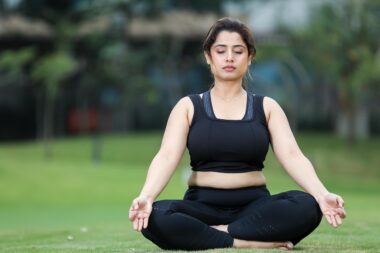

Breath Awareness: The Foundation of Mindful Meditation
Breath awareness plays a crucial role in the practice of mindful meditation. By focusing on our breathing, we anchor our minds, allowing us to cultivate a sense of inner peace and clarity. This practice helps to enhance concentration while promoting relaxation. As we learn to observe our breath, we can develop a deeper understanding of our thoughts and emotions. Mindful breathing allows us to connect with our present moment, shifting attention away from distractions and towards the calm within us. We can cultivate a stronger relationship with ourselves through simple inhalation and exhalation techniques. These techniques create harmony between mind and body, ultimately fostering emotional balance. Furthermore, incorporating breath awareness into meditation provides an excellent foundation for additional mindfulness practices. As practitioners engage in various breathing exercises, they become more self-aware and present. This self-awareness can promote healthier relationships with others, as we learn to respond rather than react. In essence, breath awareness lays the groundwork for a fulfilling meditation journey and contributes to our overall wellness, representing a significant investment in personal growth and emotional resilience. This process is transformative, empowering us to embrace mindfulness fully.
To harness the benefits of breath awareness in meditation, it’s important to understand its fundamental principles. Focusing on the breath can guide our minds back when we inevitably drift into thoughts. It serves as an anchor, providing a solid point of focus amidst the chaos of daily life. In meditation, we often encounter distractions; however, redirecting our attention to the breath allows us to cultivate patience and discipline. By recognizing when our attention wanders, we gently bring it back without judgment. This practice fosters self-compassion, enabling us to embrace our humanity. In addition, using different types of breathing techniques can enhance focus and relaxation. For instance, counting breaths or observing the sensation of air entering and leaving the nostrils can be beneficial. Techniques like these can help deepen our experience of mindfulness. Furthermore, it is essential to maintain a comfortable posture during breath awareness exercises; a relaxed yet attentive body creates an ideal environment for meditation. Paying attention to physical sensations can enrich our practice, ultimately fostering a more profound sense of presence and calm.
Examples of Breathing Techniques
Incorporating various breathing techniques can deepen the effects of breath awareness in meditation. Some popular examples include diaphragmatic breathing, box breathing, and alternate nostril breathing. Each method offers unique benefits, addressing different needs and preferences. Diaphragmatic breathing, or abdominal breathing, focuses on inhaling deeply through the nose to expand the diaphragm. This technique stimulates the relaxation response, minimizing anxiety and stress. Box breathing involves inhaling, holding, exhaling, and pausing for equal durations, creating a calming rhythm. This practice can enhance focus and clarity, making it an excellent choice during high-pressure situations. Lastly, alternate nostril breathing balances energy in the body and promotes mental clarity. It encourages a sense of calmness, grounding the practitioner further. When practicing these techniques, it’s essential to adopt a comfortable position that allows for relaxed airflow. Beginners should start slowly, allowing themselves to explore the various styles of breath work. As practitioners become more familiar with these techniques, they can adapt and integrate them into their daily meditation sessions. Ultimately, exploring various techniques allows for personal growth and deepens awareness.
Along with cultivating self-awareness, breath awareness can support emotional well-being. Numerous studies suggest that mindful breathing can reduce feelings of anxiety and depression by promoting relaxation and emotional regulation. When we become attuned to our breath, our bodies enter a state of relaxation, positively impacting emotional stability. By engaging in breath awareness practices during difficult moments, we can interrupt negative thought patterns. This shift empowers us to respond with intention rather than impulsively reacting. Moreover, breath awareness can increase resilience in the face of stress. As we learn to pause and breathe, we can gather our thoughts and resources during challenging situations. This mindful approach allows us to reconnect with ourselves, fostering a compassionate perspective toward our struggles. Additionally, integrating breath awareness into daily routines can promote consistency and dedication in our meditation practice. With perseverance, practitioners will develop a greater capacity to manage emotional responses, ultimately leading to a more balanced life. Embracing the process of breath awareness can serve as a powerful tool for nurturing our emotional health, encouraging personal transformation and development.
The Role of Breath in Stress Reduction
Stress reduction is another significant benefit of incorporating breath awareness into our daily lives. Often, we experience heightened levels of stress that can lead to chronic health problems. Through mindful breathing practices, we can minimize physical symptoms associated with stress, such as increased heart rate and shallow breathing. When we intentionally focus on our breath, we promote a state of relaxation that counteracts the body’s stress response. This practice enables us to cultivate awareness of our physiological sensations, serving as a crucial aspect of mindfulness. By recognizing how stress manifests within our bodies, we can intentionally intervene through breath awareness. Additionally, engaging in breath work can shift our stress response from fight or flight to a state of calm and wellness. As we practice regularly, we enhance our overall well-being, allowing ourselves to respond more effectively to stressors in our daily lives. Furthermore, dedicating time for breath awareness reinforces our commitment to self-care. These efforts contribute to improved mental clarity, enhanced focus, and increased emotional resilience when facing adversity. Adopting breath awareness techniques can lead to a more harmonious and balanced life.
To cultivate a successful breath awareness practice, consistency is vital. Setting aside dedicated time each day can significantly enhance the results of mindful meditation. Beginners are encouraged to start with short sessions, gradually increasing their length as they become more comfortable. It’s essential to create a peaceful environment that is conducive to relaxation and focused breathing. Whether in a quiet room, a garden, or a comfortable chair, finding a personal sanctuary enhances the effectiveness of breath awareness. Additionally, journaling about your experiences can deepen your understanding of progress and challenges. Reflecting on how breath awareness affects your emotions and thoughts can guide future practices. Additionally, pairing breath awareness with other mindfulness techniques can create a richer experience. Consider integrating visualization or gratitude practices as a complement to breath work. A holistic approach to meditation can empower practitioners to explore various aspects of their mindfulness journey. Lastly, connecting with others through workshops or meditation groups can provide additional support, allowing practitioners to share experiences and learn from one another. Building a community fosters commitment and encouragement, making the journey towards mindfulness more enjoyable.
Conclusion
In conclusion, breath awareness serves as the foundation for successful mindful meditation practices. By honing our focus on breathing, we cultivate self-awareness, emotional regulation, and stress reduction. These benefits extend far beyond our meditation sessions, enriching our daily lives and relationships. Engaging regularly in breath awareness not only enhances our meditative experiences but also promotes holistic health and personal growth. Incorporating diverse breathing techniques offers tailored benefits that suit individual needs, encouraging deeper exploration into mindfulness. As practitioners journey through their breath awareness practices, they will likely discover newfound resilience, clarity, and emotional balance. Establishing consistency and creating a supportive environment further empower meditators toward transformation. Additionally, connecting with a community can enhance motivation and accountability, making the meditation journey fulfilling. Remember, breath awareness is a lifelong practice that continually inspires growth and well-being. Embracing this journey, practitioners can experience profound transformations in their lives through mindfulness and self-discovery. Ultimately, breath awareness allows us to reconnect with ourselves, fostering a harmonious relationship with the world around us.
As we sit to meditate, engaging in breath awareness regularly fosters deep exploration into mindfulness techniques. Acknowledging the interconnectedness of mind, body, and breath creates a strong framework for our practice. Whether experiencing stress relief or emotional healing, the journey invites us to learn compassion for ourselves and embrace each moment. Practitioners will find that a consistent approach to yoga and meditation not only enhances their techniques but encourages personal growth. The graceful act of breathing can serve as both a guide and a grounding force, making meditation feel more accessible. As we deepen our understanding of our breath, we cultivate a sense of gratitude for each inhale and exhale. This process unveils the beauty of being present, affirming the importance of stillness in our busy lives. Additionally, the benefits gained through breath awareness extend beyond the mat, impacting how we navigate daily life. Becoming more attuned to our breath enhances emotional resilience, ultimately allowing practitioners to handle challenges with grace. Discovering the transformative power of breath awareness encourages us to live mindfully, creating a lasting impact on our overall well-being and happiness.