
Breathing Exercises to Cultivate Mindfulness in Everyday Life
Breathing is an essential function of life, but how often do we acknowledge its profound impact on our mental well-being? Mindful breathing exercises serve as effective tools for enhancing mindfulness in daily living. When practiced regularly, these exercises help us cultivate awareness, calmness, and presence in the moment. By focusing our breath, we can draw attention away from distractions and into the realm of the present. The beauty of these exercises is their versatility; they can be incorporated into various activities like yoga, meditation, or even while commuting. As we strive to embrace a more mindful lifestyle, understanding the connection between breath and mindfulness becomes vital. For example, practices like diaphragmatic breathing encourage deeper inhalation and exhalation, fostering relaxation. By dedicating just a few minutes each day to these exercises, we establish a haven of calm amidst the chaos of daily life, allowing ourselves to be gentler and more centered. In doing so, we create a bridge between our inner world and the external environment, ultimately leading to a more balanced and fulfilling existence.
The Science Behind Mindful Breathing
Not only do breathing exercises promote emotional stability, but their scientific basis also underpins their efficacy. Research has shown that controlled breathing can activate the parasympathetic nervous system, lowering heart rate and reducing stress levels. When we engage in mindful breathwork, we signal our body to shift from a state of stress to one of relaxation. This transition is crucial in managing anxiety and improving mental clarity. The practice encourages deeper engagement with our thoughts and feelings, creating a platform for personal discovery and acceptance. Engaging in regular breathing exercises can bolster neural connections, enhancing cognitive function over time. Furthermore, these techniques can lead to improved focus and decision-making skills. Whether it’s a simple counting exercise or a more complex pranayama technique from yoga, the outcomes are beneficial. As we learn to control our breath consciously, we gain the ability to influence our mental and emotional states. Consequently, the benefits extend beyond just mental health, influencing physical health and resilience against everyday stressors, thus demonstrating the profound impact of mindful breathing.
Incorporating mindful breathing into our daily routines is an accessible and effective method for enhancing mindfulness. Begin by dedicating specific times throughout the day for these exercises, such as morning rituals, during work breaks, or before bedtime. Carve out at least five minutes for focused breathing, allowing yourself to disconnect from external pressures. Find a comfortable position, whether sitting or lying down, and close your eyes if you feel comfortable doing so. Begin inhaling deeply through your nose, pausing slightly, and exhaling slowly through your mouth. Count to four while inhaling, hold for four, and exhale for six. This simple pattern grounds your awareness and deepens your connection with inner peace. Incorporate visualizations or affirmations to enhance your experience, enriching the effects of relaxation. Gradually, you’ll begin to notice moments of clarity and emotional balance infiltrating your day. With consistent practice, mindful breathing transforms into an automatic response to stress. Over time, you create a rich tapestry of mindfulness woven through daily activities, leaving you less reactive and more open to joy and tranquility.
Breathing Techniques to Explore
There are several breathing techniques available for individuals seeking to cultivate mindfulness. Techniques like abdominal breathing, box breathing, and alternate nostril breathing offer unique benefits. Abdominal breathing emphasizes full lung expansion and gradual exhalation, promoting deep relaxation. This technique counteracts the effects of shallow breathing common in stressful situations. Box breathing, often used by athletes and military personnel, consists of inhaling, holding, exhaling, and holding again, all for the same count, fostering focus and reducing anxiety. Alternate nostril breathing balances left and right brain hemispheres, enhancing mental clarity and tranquil energy. Experimenting with various techniques allows for personal exploration and discovery. Find what resonates with you and suits your lifestyle. Incorporating these exercises at strategic moments—before a meeting, during a stressful situation, or whenever needed—can yield significant improvements in mental resilience. It’s vital to remember that consistency is crucial; effective practice will be more apparent with time. Embrace the learning journey of these techniques, leading to profound self-awareness and mindfulness that can drastically improve your quality of life.
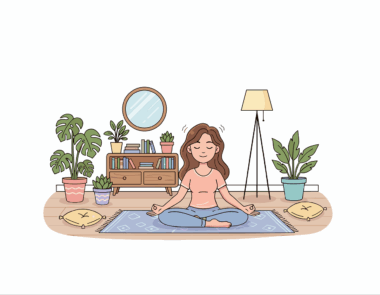
A supportive environment enhances the effects of mindful breathing exercises. To achieve this, seek a space free from distractions, where you feel secure and comfortable. Create a serene atmosphere by incorporating soothing elements, such as dim lighting, calming scents like lavender, or soft instrumental music. Ideally, devote a space in your home or workspace for your mindful practice – a small corner with cushions or a chair designed for relaxation. Over time, this designated space will become synonymous with peace and mindfulness. Consider incorporating embellishments that inspire tranquility, such as plants, crystals, or mindful imagery that resonates with your personal goals. Maintaining this practice also involves setting achievable intentions while participating in breathing exercises. Setting clear goals, like reducing anxiety or improving focus, encourages commitment and accountability. Celebrate your progress regardless of how small, reinforcing positive behavior and further engaging in the process. Keeping a journal for recording experiences can reveal patterns and insights, solidifying your commitment to mindfulness. In nurturing the external environment, you significantly enhance the inner sanctuary cultivated through your mindful breathing practice.
The Role of Community in Cultivating Mindfulness
Sharing mindful breathing practices within a community can amplify their benefits. Engaging with others who also value mindfulness creates a supportive network, fostering responsibility and inspiration. Many groups, both online and offline, provide opportunities to practice together, forming bonds through shared experiences. Participating in workshops or classes can open avenues to explore diverse techniques and perspectives. The communal space encourages open dialogue about challenges, successes, and personal stories related to mindfulness. This exchange not only reinforces personal growth but also opens pathways to collective evolution in awareness and tranquility. Group meditations can help deepen your practice, as practicing alongside others can create higher levels of connection and collective energy. Creating consistency in attending group practices can cultivate discipline while enhancing enjoyment in the process. Consider joining a local yoga studio or meditation center, or participating in community events focused on mindfulness—every shared breath counts! The connection experienced among practitioners fosters deeper bonds, while mindfulness blossoms within the community, creating a ripple effect. As we learn from each other, we create a shared commitment to living more mindfully.”},{
Mindfulness through breathing exercises ultimately cultivates an enriched experience of life. Our breath becomes a gentle reminder of the present moment, offering a sanctuary amid the ever-changing tides of existence. As we train ourselves to notice and appreciate each breath, we develop a heightened sense of awareness, reconnecting with the body and soul. This connection establishes a foundation for clarity, allowing us to navigate the complexities of everyday life with grace. The transformation takes time; however, each practice brings the promise of peace and profound understanding. Life’s moments become richer with the information gained through mindful breathing. Embrace the beauty of this journey, recognizing that mindfulness is not a destination but a lifelong practice. The intention behind your breath paves the way for deeper connections, both with self and others. As you embrace this natural rhythm, allow every exhale to release tension and every inhale to draw in rejuvenation. With dedication and patience, you will discover that the quality of your day can change drastically through the mindful act of breathing. This intention reinforces not only personal growth but also cultivates compassion towards others.