
The Science Behind Pilates Benefits for Kids’ Mobility
Pilates is increasingly recognized as a beneficial activity for children, promoting overall mobility and physical well-being. Engaging in Pilates helps kids develop strength, flexibility, and coordination in a structured manner. Children experience rapid growth and changing bodies, and introducing them to Pilates can aid in balancing muscle strength while enhancing mobility. By focusing on core stability and controlled movement, Pilates provides an excellent foundation for developing a child’s physical capabilities. Many kids enjoy the gentle, fun style of Pilates, which can be adapted to their needs. Exercises can engage imagination and creativity, making classes more appealing to younger participants. Furthermore, Pilates emphasizes awareness of body alignment, which is essential for preventing injuries during childhood activities. Incorporating playful elements into sessions can foster a positive environment. This results in not just physical benefits but also boosts confidence among young practitioners. Moreover, studies indicate that children who regularly partake in physical activities like Pilates show improved posture and reduced stress levels—enhancements essential for academic performances. Overall, the fun and engaging nature of Pilates makes it a fantastic choice for supporting children’s health and development.
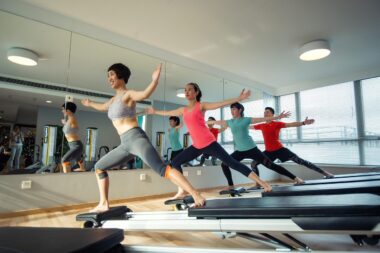
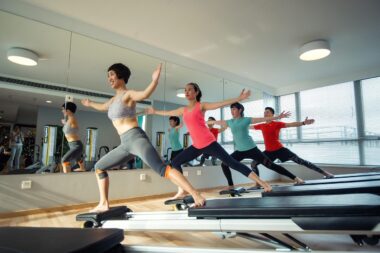
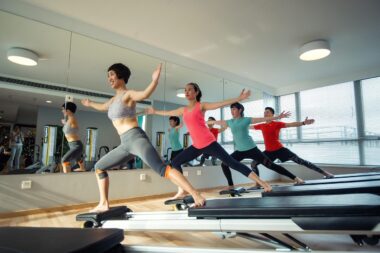
One cannot overlook the importance of social interaction during kids’ Pilates sessions, as this form of exercise promotes teamwork. Engaging in group classes allows children to improve their social skills, fostering friendships and a sense of belonging. This interaction can also enhance their confidence, as they practice movements together and encourage one another. Group activities in Pilates help children feel comfortable and supported while nurturing their emotional intelligence. Additionally, Pilates teaches kids the value of patience and persistence as they work at their own pace to master movements. Unlike competitive sports, performing Pilates is inherently non-competitive, allowing children to focus on personal growth rather than rivalry. As they become more aware of their abilities, children cultivate a positive self-image and learn to celebrate individual achievements. Physical activity is essential for childhood development, and Pilates offers an inclusive way for kids of all abilities to participate in movement. The gentle nature of Pilates encourages participation without the pressure often found in traditional sports. Ultimately, these social benefits create a well-rounded experience that enhances children’s physical and emotional development through cooperative exercise.
Improved mobility through Pilates can further translate to better daily functions for kids, such as running, jumping, and playing sports. Certain Pilates techniques focus on enhancing core stability, which is essential in supporting the spine and improving balance. When children engage in Pilates exercises, they develop a solid foundation that translates to better performance in various physical activities, from playtime to more structured sports. The lessons learned through Pilates on body awareness and control can optimize movement efficiency, preventing both fatigue and injuries. For example, children who practice Pilates can experience an elevated level of agility and reaction speed, which are critical elements in many sports. Enhanced coordination resulting from Pilates leads to a greater confidence in physical abilities, encouraging kids to participate in various activities. Moreover, consistent practice can foster lifelong habits that prioritize physical well-being. Engaging in Pilates equips children with skills that they will carry into adulthood, possibly leading to healthier lifestyles in the long run. As they master these techniques during their formative years, they become equipped with tools that promote ongoing physical activity throughout their lives.
Incorporating mindfulness into Pilates practice, addresses mental well-being in children, creating a holistic approach to their overall health. During classes, children learn to connect their breath with movement, cultivating presence in each action. This mindful approach not only enhances physical execution but also encourages emotional regulation and stress relief. Children may face numerous stressors in school and social settings, and Pilates can serve as a constructive outlet for managing these pressures. By establishing breath control, kids can learn to calm their minds, fostering a sense of relaxation and reducing anxiety. The focus on breathing can also lead to more robust respiratory health, as children learn proper techniques that may benefit their physical fitness long term. Moreover, incorporating elements of visualization during Pilates encourages children to develop a positive mindset about their abilities. Engaging their imaginations during practice allows them to embrace each movement and fully appreciate the process of learning. Through Pilates, children can develop emotional resilience, enhancing their ability to overcome challenges both in and out of practice. Combining physical fitness with mental awareness demonstrates how Pilates can contribute significantly to a child’s growth.
The Development of Motor Skills
Another key benefit of Pilates for children is the development of fine and gross motor skills. Pilates exercises focus on alignment and control, providing an excellent backdrop for honing these abilities. Gross motor skills, such as running, jumping, and climbing, are enhanced through the stability achieved in Pilates practice. Likewise, fine motor skills, crucial for tasks like writing and buttoning clothes, improve as children learn to control movements precisely. During training, children focus on coordination, balance, and strength, all of which are foundational for skill development. Effective motor skills also aid in supporting complex physical activities they may encounter outside of class, contributing significantly to athletic performance. The progressive nature of Pilates allows children to practice at their own pace, gradually increasing difficulty while celebrating their achievements. This sense of accomplishment can encourage continued participation in physical activities, laying the groundwork for a healthy lifestyle. Additionally, Pilates can support neurological development by reinforcing motor pathways established during early childhood. Enhanced motor skills gained through Pilates can empower kids to tackle various physical endeavors, making it an important foundation for lifelong fitness.
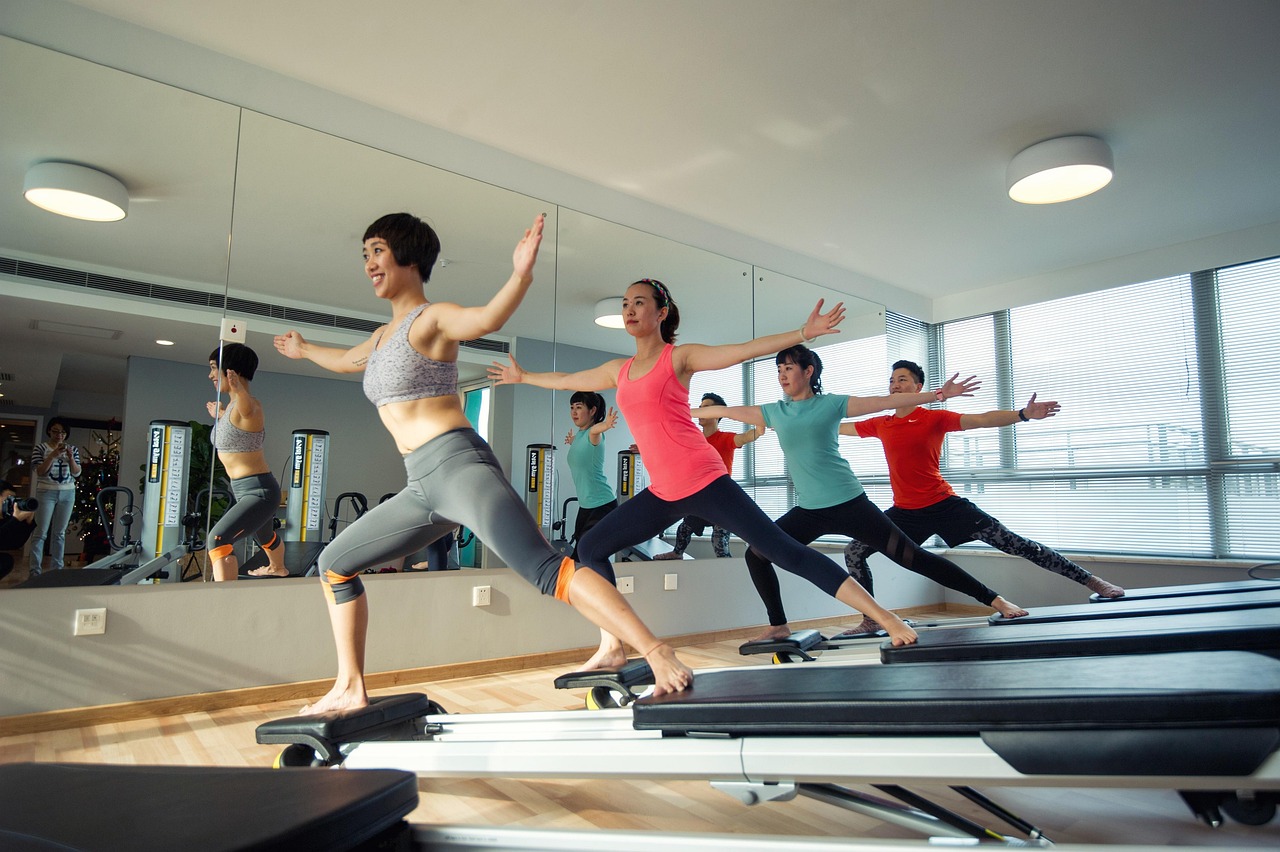
Furthermore, incorporating equipment such as foam rollers and resistance bands into kids’ Pilates classes can amplify benefits. These tools enhance the effectiveness of exercises and promote versatility in training. Using equipment can introduce children to a variety of movements that keep classes engaging and fun. For instance, resistance bands can increase strength while maintaining flexibility, allowing for dynamic training sessions. Foam rollers facilitate recovery and muscle relaxation, teaching children about self-care and injury prevention. By employing these tools, instructors can make the experience enjoyable and offer different challenges tailored to each child’s capabilities. Equipment can help in understanding how to use body weight efficiently for resistance, a vital skill in many physical activities. As they become more skilled with these devices, children learn proper techniques that can transition into other sports and activities. Moreover, engaging with these elements assists in motor skill development by introducing stability challenges. Children will become more proficient in balancing and controlling their movements. As a result, they foster confidence in their physical capabilities and cultivate independent participation in fitness pursuits.
In conclusion, the holistic benefits of Pilates for children are undeniable. Through engaging activities, kids can improve their physical health while fostering social connections and emotional resilience. Pilates offers a structured yet playful approach to fitness, allowing children to explore their physical potential in a supportive environment. The combination of physical, mental, and social benefits makes Pilates an exceptional activity for youth. As they develop coordination, strength, and body awareness through practice, they simultaneously cultivate critical thinking and emotional skills. The supportive community formed in Pilates classes nurtures friendships that can have positive effects beyond the studio, contributing to a child’s well-being throughout various aspects of life. Pilates empowers children to embrace movement and cultivate a love for fitness that can last into adulthood. With the incorporation of creativity, collaboration, and mindfulness, Pilates stands out as a comprehensive approach to promoting kids’ mobility and overall health. Parents and educators are encouraged to consider the positive impacts Pilates can have, as it not only augments a child’s physical development but also enriches their social and emotional lives. Raising awareness of this low-impact exercise option ensures a promising future for childhood health.
To incorporate Pilates into children’s activities, parents can explore local classes or community programs designed specifically for young practitioners. Many Pilates studios offer introductory classes that cater to children, allowing them to engage with their peers while learning valuable skills that can promote long-term health. Ensuring that the instructors are knowledgeable about working with children will enhance the experience and safety for participants. Parents can also introduce simple Pilates exercises at home, encouraging movement through play. Utilizing online resources or guided videos can help facilitate family Pilates sessions, reinforcing the importance of physical activity as a family unit. Integrating fun challenges and variations into these home sessions can sustain interest and excitement for movement. Creating a space dedicated to physical activity can further establish it as a fun and healthy habit, allowing children to feel comfortable while practicing. Pilates practice can complement traditional sports, providing balance to a child’s fitness strategy. As children become more proficient in Pilates techniques, they may find improvements in their performance in their chosen sports. The adaptability of Pilates makes it a suitable exercise choice for children, establishing an engaging approach to physical fitness that emphasizes health and well-being.