
Pilates and Emotional Well-being in Children
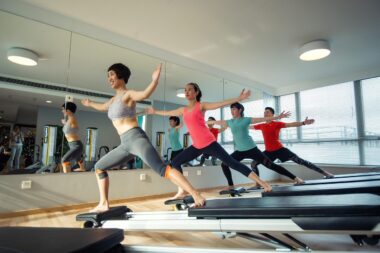
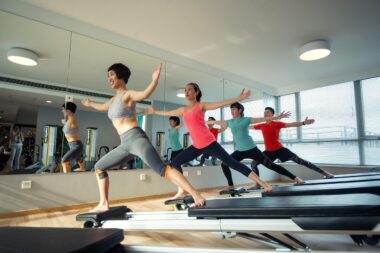
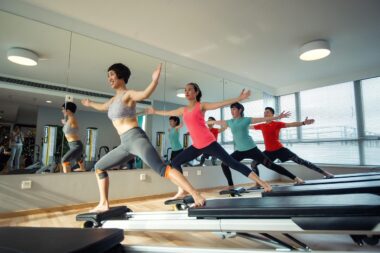
Pilates is more than just a physical exercise; it plays a crucial role in enhancing emotional well-being in children. As kids engage with this method, they learn to develop body awareness, which is foundational for emotional regulation. Stronger body awareness enables children to understand their internal states more effectively. When children perform Pilates, they experience heightened focus and concentration, which counteracts the overstimulation they often encounter in daily life. Pilates teaches children to control their breath, connecting it with movement. This deep connection can reduce anxiety, creating a calmer mental state. By fostering mindfulness, Pilates encourages children to be present in their bodies and minds, promoting a healthier emotional landscape. Moreover, the non-competitive nature of Pilates facilitates a sense of community, helping children build relationships and social skills. Parents can support this by encouraging cooperative Pilates classes. They will appreciate the low-impact nature suitable for all ages, creating opportunities for playful activities. With consistent practice, children can develop resilience through gradual progression and receive affirmation. The wellness benefits underscore the importance of integrating Pilates into children’s routines for emotional growth.
The Importance of Movement
Movement is essential for emotional health, particularly for children as they grow and develop. Engaging in physical activity contributes to the production of endorphins which elevate mood and reduce stress. Pilates provides a structured and safe way for children to explore their capabilities, assisting them in building confidence. By offering mindful movement rather than competitive sports, Pilates can turn exercise into a joyful experience. The rhythmic movements and emphasis on breathing within the Pilates framework create a soothing environment, allowing children to release pent-up emotions and stress from daily life. This engagement allows for emotional expression; through movement, children can sculpt their bodies and refine their emotional well-being. Teachers and trainers can encourage creativity by allowing flexibility in how children execute the routines, which makes Pilates feel more personal. Developing a love for physical activity early on encourages lifelong habits that enhance emotional health. Furthermore, Pilates allows children time to develop an understanding of their feelings, leading to improved emotional intelligence. Emotional growth linked with physical activity helps to cultivate resilience, making children better equipped to handle life’s challenges as they grow. Overall, fostering a habit of moving efficiently benefits children on various levels.
Integrating Pilates into a child’s routine can lead to significant improvements in emotional regulation. In Pilates classes, children often face challenges that require focus, providing opportunities to learn patience and perseverance. This is particularly important as children navigate various social and emotional landscapes throughout growth. They learn to work through their frustration by honing their skills over time, encouraging resilience. As they master movements, they eventually gain a sense of accomplishment, promoting self-esteem and confidence in their abilities. This emotional boost creates an upward spiral of positivity that impacts other areas in their lives. With regular practice, children can experience a decrease in anxiety symptoms, as they now have tools to manage stress effectively. Furthermore, Pilates helps to foster connection with peers through shared experiences. Being included in a group setting allows them to cultivate supportive relationships, enhancing feelings of belonging. These social skills learned on the mat translate into interactions off the mat, enriching their emotional health. Moreover, through controlled breathing patterns learned in Pilates, children can also model these techniques in school or at home during moments of stress. This combination of skills can significantly enhance their quality of life.
Mindfulness Through Pilates
Mindfulness is a vital aspect of emotional well-being, and Pilates naturally integrates mindfulness into its practice. Children, by centering their attention on their bodies and breath, begin to develop a greater sense of self-awareness. This awareness enables kids to understand their emotions better, and consequently, respond more effectively to stressors. Breathing deeply while performing movements creates a calming effect, reducing impulsive reactions during moments of emotional turmoil. The practice of mindfulness encourages slow, deliberate movements, promoting a meditative state often lacking in modern lifestyles. Children learn to appreciate their body’s capabilities, no matter how small the progress may seem. This, in turn, translates into a healthier relationship with their body and a better understanding of their emotions. They realize that feelings are valid and worthy of acknowledgment, promoting emotional resilience. The self-reflection fostered by mindful exercises allows children to pause and assess their emotional states rather than reacting reflexively. Consistent mindfulness practice through Pilates can result in profound long-term emotional health benefits, equipping children with tools to cope with life’s demands in constructive ways. The skills learned in these moments resonate throughout various aspects of their lives, proving Pilates’ multifaceted benefits.
Another essential aspect of Pilates for children is its ability to provide an outlet for creativity and self-expression. This is different from traditional structured programs that can feel restrictive. During Pilates, children can freely explore movement, allowing them to express their individuality. Movement becomes a vessel for emotional expression, and as children familiarize themselves with different exercise components, they find new, inventive ways to connect emotionally. This creative exploration can lead to increased happiness and satisfaction in their lives, influencing their interpersonal relationships positively as well. In addition to enhancing emotional expression, Pilates develops motor skills, coordination, and flexibility, which can further improve emotional resilience. Improved physical capabilities boost confidence in various activities, whether social, athletic, or academic. As children overcome physical challenges in Pilates class, they may develop a stronger core along with a strong sense of determination. These qualities are valuable in their everyday lives, equipping them to face complex emotional environments. Consequently, the combination of creativity, skill development, and improved emotional responses makes Pilates an essential activity for children. Establishing this foundation early on prepares them for future emotional health throughout their lives.
Benefits of Consistent Practice
Regularly practicing Pilates yields numerous benefits for children’s emotional health that can extend into adulthood. As their muscular strength and flexibility improve, children become more confident in their bodies. This increased physical confidence translates to better emotional states and teaches them to handle emotions more effectively. The supportive environment of Pilates class helps build friendships as children work collaboratively to achieve shared goals. These connections can become key support systems for emotional health during challenging times. Additionally, practicing Pilates regularly helps reinforce discipline and commitment, which are essential qualities for navigating life. Engaging in routine exercise leads to the development of a mindset focused on well-being, encouraging healthier lifestyle choices as they grow older. As little ones encounter academic pressures and social challenges, the lessons they learned on the mat will serve them well. Parents and caregivers can enhance these benefits by also participating or encouraging discussions about emotions related to exercises. Sharing experiences between adults and children fosters an open dialogue about feelings, which is often overlooked. This shared enthusiasm can help normalize the ease of expressing emotions and discussing mental health, paving the way for a brighter and healthier future.
Incorporating Pilates into children’s lives can significantly enhance their emotional well-being. By providing a solid foundation in both physical and mental aspects, Pilates equips them with essential life skills. The practice cultivates body awareness, self-regulation, and emotional resilience, empowering children to navigate life’s challenges confidently. Parents play a critical role in this journey by promoting and validating their children’s experiences. Encouraging consistent attendance in classes can create a safe environment where children feel valued and can explore their capabilities. Moreover, with Pilates, practicing becomes family-friendly, allowing everyone to engage with physical activity together. Whether through gentle stretching or fun, dynamic classes, each individual can benefit from the mental clarity that comes with such engaged, mindful movements. Ensuring children partake in exercises that encourage social interaction can greatly alleviate feelings of isolation. As the broader community embraces Pilates for children, coaches and providers can focus on improving programs aimed at emotional health. Sharing success stories in local communities may inspire others to participate. Ultimately, recognizing the correlation between physical activity and emotional health is crucial in nurturing well-rounded children poised for success in life.
Conclusion: Nurturing Future Generations
In summary, Pilates represents a valuable tool for fostering emotional well-being among children. Through mindful movement and physical engagement, children learn crucial skills that enable them to thrive emotionally. As parents and caregivers understand the benefits of Pilates, they can become advocates for integrating such activities into children’s routines. Emotional resilience learned in these environments can have far-reaching effects on children’s overall well-being. The principles of mindfulness, creativity, social connection, and self-care translate into valuable lifelong habits. Maintaining this vigilance and support helps instill confidence and emotional health. To realize these benefits, communities should actively promote accessible Pilates programs tailored for children, ensuring that resources support holistic growth. By prioritizing mental health within physical exercises, we prepare children for various life challenges while enhancing their emotional well-being. Encouraging open conversations about the benefits of such movements will uplift future generations. Nurturing these qualities early can lay a solid foundation for successful emotional regulation throughout adulthood. Through Pilates, children can rise above difficult situations, equipped to face the world with confidence and compassion. Ultimately, prioritizing emotional well-being through practices like Pilates offers immense potential to transform lives.