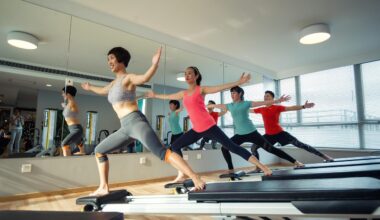

Avoiding Injuries: Mindful Techniques for Using Gym Machines
In today’s fast-paced world, integrating mindfulness into fitness routines can prevent injuries and enhance well-being. This approach emphasizes awareness and concentration, especially while using gym machines. A key technique is to begin with proper alignment. Before starting, ensure your body is correctly positioned on the equipment. For example, adjust the seat height or backrest to suit your body dimensions, preventing strain during the workout. Focus on each movement, observing how your muscles engage and how your joints feel throughout the exercise. Another essential aspect is breathing. Coordinate your breath with each repetition to maintain rhythm and control. Inhale during the lowering phase and exhale when exerting force. This method not only supports muscle function but also helps in retaining focus. Additionally, take regular breaks to evaluate your form and the perceived effort. Redirect attention inward to assess any discomfort that arises, and adjust your technique accordingly. Doing this reduces the likelihood of overexertion, leading to injuries. Incorporating these mindful practices can transform your gym experience, ensuring that each session remains safe, effective, and enjoyable for all fitness enthusiasts.
The Importance of Warm-Up
Warming up is a fundamental component of mindful fitness. Before stepping onto any gym machine, engaging in a structured warm-up routine prepares both body and mind. Start with low-intensity cardiovascular activities such as brisk walking or light cycling to raise your heart rate gradually. This increase in circulation helps lubricate your joints and enhances flexibility. After that, incorporate dynamic stretches like arm circles and leg swings, targeting major muscle groups involved in your workout. This approach aids in preventing injuries while also promoting a greater mind-body connection. Pay attention to how your body responds during warm-up; this awareness will guide your workout intensity. For instance, if you feel tightness in a muscle, you might decide to adjust the weights or the types of machines you utilize. This adaptability is vital, as it demonstrates a mindful approach to exercise. Additionally, use this time to mentally visualize your workout plan, setting intentions for your session. Such a practice not only supports physical readiness but also aligns your mental focus, creating a holistic fitness experience that prioritizes safety and effectiveness.
While utilizing gym machines, it’s critical to maintain proper form throughout each exercise, which is central to both safety and effectiveness. Pay close attention to your posture, ensuring that your back is straight, shoulders are relaxed, and your core is engaged. This alignment minimizes strain on your joints and maximizes muscle engagement, reducing injury risk. With machines, understanding the mechanics is vital. Familiarize yourself with each machine’s instructions and demonstrations usually provided on-site or through available resources. As you use the equipment, move slowly and deliberately, avoiding abrupt movements that could lead to injuries. Additionally, focus on the range of motion; never push beyond what feels safe or comfortable. Additionally, use mirrors or ask a gym staff member for feedback to ensure that your form remains correct. Mindfulness extends to self-assessment; regularly check in with how your body feels during exercises. This awareness can often prevent tired muscles from leading to poor form. In the event of discomfort, pause, assess, and make necessary adjustments to either the weight or machine settings to enhance safety.
Pay Attention to Machine Controls
Understanding the controls and settings of each machine plays a significant role in exercise safety. Familiarize yourself with adjustments like resistance levels, seat heights, or even pedal positions before starting your workout. Often, users might overlook this crucial aspect, which can lead to improper use and subsequent injuries. Always start with lighter weights to assess both comfort and form, gradually increasing as your strength improves. Moreover, don’t hesitate to ask for assistance if you’re unsure about any equipment operation. Gym staff members are trained to help you navigate machines correctly and safely. It’s vital to monitor how the machine operates through your movements; any jerking or uncomfortable responses indicate a need for adjustments. Adjust your focus to remain aware of your body in relation to the machine. This attentiveness can mitigate the chances of awkward positions or unsafe tensions that could harm your body. By taking time to understand each machine’s specifications, you create a personalized experience that supports not only your fitness goals but also your overall safety.
Hydration is another crucial element in a mindful approach to fitness, especially when using gym machines. Maintaining proper hydration levels can significantly influence your performance and prevent injuries. Water helps to lubricate joints, regulate body temperature, and deliver essential nutrients to muscles. Aim to drink water before, during, and after your workout session, ensuring that your body has enough fluids to function optimally. A common guideline is to consume about 17-20 ounces of water two to three hours before exercising and an additional 8 ounces 20-30 minutes before you begin. Moreover, keep a water bottle nearby and sip throughout your session to stay hydrated. Observe signs of dehydration—fatigue, dizziness, or cramping—during exercises. If these occur, take a break, rehydrate, and assess whether you need to lower your intensity or duration. By maintaining hydration, you support bodily functions, allowing for improved focus and performance. This mindfulness extends to recognizing when your body needs rest, leading to smarter exercise decisions and more effective workouts while ensuring your overall well-being.
Engagement with Mental Focus
Integrating mindfulness into fitness extends beyond physical actions; it encompasses mental engagement as well. When approaching workouts, you should actively engage your mind by concentrating on movements and the muscles being utilized. Rather than zoning out during your repetitions, adopt an active mindful engagement approach. This means tuning into sensations, acknowledging fatigue, and appreciating muscle activation as you exercise. Practicing deep breathing during these movements can also enhance focus while providing a calming effect. One technique is to mentally visualize muscles working through each phase of the movement, promoting a connection between mind and body. This not only fosters better control and form but enables a deeper understanding of your physical limits. Moreover, mindful reflection post-workout helps consolidate gains and appreciate your efforts, facilitating a positive exercise mindset. Take time to assess how each exercise felt, both physically and mentally, and adjust future sessions to increase efficacy. In essence, combining mental engagement with physical activity enriches your overall fitness experience, fostering a robust and enjoyable approach to using gym machines while prioritizing safety.
Finally, recovery plays a pivotal role in maintaining overall health and preventing injuries in your fitness journey. After every gym session, allocate time for cool-down exercises that include static stretching, which helps ease muscle tension and promotes flexibility. Static stretches can be performed on the machines used during your workout, targeting specifically stressed muscles, and can be a mindful practice. Moreover, pay attention to your body as you recover. Acknowledge any areas of tightness or discomfort, and adjust your future workouts accordingly. Additionally, consider varying your routine; alternating machine types and muscle groups can help prevent overuse injuries. Supplement your fitness regimen with rest days as needed, allowing your body to repair and rejuvenate effectively. Prioritize restorative practices such as foam rolling or yoga to release muscle knots and improve overall flexibility. These practices support injury prevention and encourage a healthy mindset toward fitness. By implementing recovery strategies and embracing a holistic approach to fitness, you can create a sustainable workout routine that promotes longevity and safety in your fitness journey.
In summary, adopting mindfulness when using gym machines significantly contributes to injury prevention and promotes overall well-being. Focus on proper alignment, controlled movements, and breathing coordination, enhancing the quality of your workouts. Incorporate a structured warm-up to prepare both body and mind, ensuring readiness for exercise. Stay attentive to machine controls and pay close attention to how your body feels throughout each session. Hydration must not be overlooked, as it plays a vital role in performance and recovery. Additionally, engage with your mental focus to deepen the relationship between your mind and body. Don’t forget to allow for adequate recovery after workouts, ensuring your body heals and prepares for future challenges. By embracing these mindful techniques, you create a comprehensive fitness routine that prioritizes safety while enhancing your performance. Remember, the journey to fitness is not solely about physical progress; it’s about fostering a positive relationship with your body and cultivating a mindful approach at the gym. Ultimately, the goal is to empower you to become more attuned to your body’s needs and capabilities, ensuring a safer and more fulfilling fitness experience.