
Using HIIT in Functional Fitness
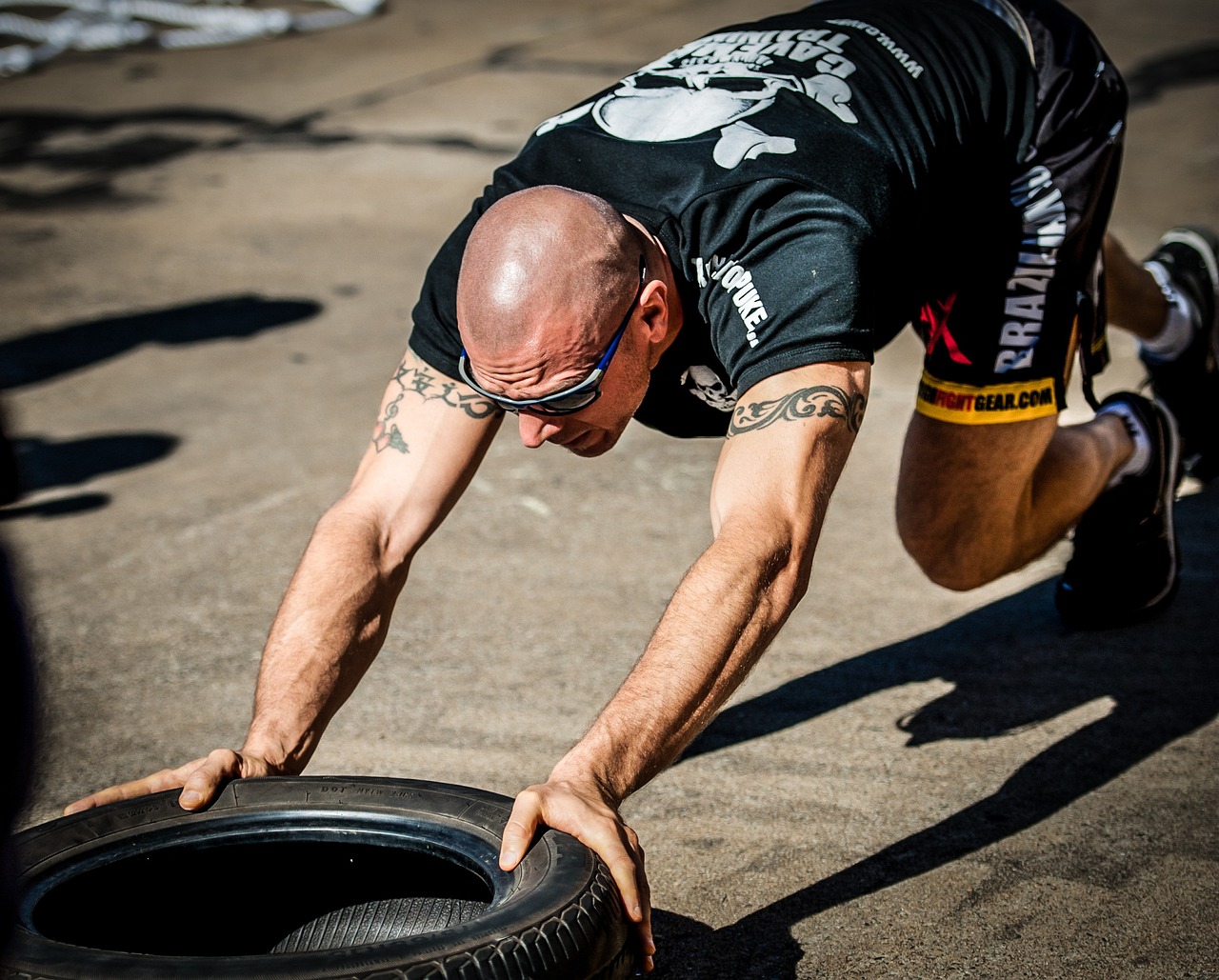
High-Intensity Interval Training (HIIT) is an effective workout that can greatly enhance your functional fitness gym sessions. This approach involves alternating short bursts of intense exercise with brief recovery periods. As you integrate HIIT into your functional fitness gym workouts, you may find your cardiovascular endurance improves noticeably. Additionally, you will engage in movements mimicking everyday activities, which can enhance your overall functional strength. By incorporating varied exercises into your HIIT routines, you not only keep your workouts exciting but also promote muscle adaptation and growth. The versatility of HIIT allows you to customize sessions according to fitness levels, making it an accessible option for everyone. Individuals can improve their strength, speed, and agility, key components of functional fitness. Remember to include exercises targeting multiple muscle groups to maximize efficiency. Moreover, HIIT can be particularly time-efficient, offering a complete workout in a shorter timeframe compared to traditional gym workouts. Including HIIT in your routine can transform your outlook on fitness, heighten your motivational levels, and lead to tangible results in strength and endurance. No matter your fitness goal, this method can be tailored to suit your needs, making it an invaluable tool in your training arsenal.
To further enrich your HIIT experience, it’s essential to create a structured workout plan that aligns with your functional fitness objectives. Start by identifying the exercises that best fit your goals. Such exercises may include kettlebell swings, burpees, or jump squats, all of which challenge the body and encourage functional movement. Ensure that your HIIT sessions include a balanced mix of strength and cardiovascular components, allowing for an effective workout that also enhances fat burning. As you progress, continually assess and adjust the intensity and duration of your workouts to keep them challenging and engaging. It’s advisable to include a proper warm-up and cool-down routine in every training session to prevent injuries. Incorporating flexibility and mobility work into your HIIT regimen can significantly improve recovery times and overall agility. Join strength circuits with explosive movements, complemented by brief rest intervals for optimum benefit. Those new to HIIT should allow adequate recovery between sessions as the body adapts to strenuous activity. By progressively pushing your limits with varied HIIT routines, you help your body adapt, ultimately yielding impressive results in your functional fitness journey while keeping the training dynamic.
Benefits of Functional HIIT
Integrating HIIT into your functional fitness training offers numerous benefits that extend beyond traditional workout routines. Firstly, this method is highly efficient, allowing you to achieve more in a shorter timeframe, crucial for those with busy schedules. HIIT has been found to boost metabolic rates post-exercise, promoting continued fat burning long after your workout has concluded. Additionally, the varied intensity levels stimulate muscle growth and improve cardiovascular health simultaneously, contributing to overall physical performance. Engaging in functional exercises during HIIT enhances your ability to execute daily activities with ease, which is pivotal for maintaining quality of life as you age. As you move through the exercises, coordination, balance, and flexibility are also enhanced, directly impacting your overall athleticism and functionality. Another key aspect is how HIIT can increase mental toughness, as pushing through challenging intervals builds resilience and can foster discipline over time. This combination of physical and mental improvements helps create well-rounded athletes capable of excelling in diverse situations. Stay consistent to fully reap the benefits of these functional HIIT strategies, aligning your workouts with overarching fitness goals.
It’s crucial to ensure proper form and technique during HIIT to avoid the risk of injury. This is particularly important when performing functional exercises at high intensity. Spent time learning each movement correctly, focusing on body mechanics to maximize effectiveness while minimizing injury risk. Utilize mirrors or workout videos to assess your form, or work with a trained professional who can provide valuable feedback. Another essential component of a successful HIIT program is nutrition. Ensuring that your body is fueled appropriately before and after workouts is paramount for recovery and performance. Hydration plays an important role too. Research indicates staying hydrated enhances athletic performance, reducing the risk of fatigue during intense exercise sessions. Post-workout, consume adequate protein and carbohydrates to support muscle repair and replenish energy levels. Incorporating supplements, if deemed necessary, can improve workout efficiency and recovery processes. Balance your macronutrients with whole foods to optimize your overall health. Ultimately, this nutrition strategy supports a sustained HIIT regimen, enabling continuous progress in your functional fitness journey. Consistency in both workout and nutritional habits catalyzes long-lasting transformation.
Sample HIIT Workout for Functional Fitness
Creating an effective HIIT workout for functional fitness involves selecting exercises that challenge various aspects of fitness. Here’s a sample workout to get you started: Begin with a warm-up, such as dynamic stretches or light activity, for approximately five to ten minutes. Then, implement the following structure: For the first round, perform kettlebell swings for 30 seconds, followed by 15 seconds of rest. Next, proceed to push-ups for 30 seconds, again resting for 15 seconds. Afterward, do burpees for 30 seconds followed by a 30-second rest. In addition, squat jumps can elevate heart rates for a further 30 seconds, with another 15-second rest. This round can be repeated for four rounds, focusing on maintaining high intensity while managing clean movement technique. To conclude, dedicate five to ten minutes to cool down and stretch properly, allowing your body to recover adequately. Modify the timing based on fitness levels; beginners could opt for longer rest intervals. As you progress, decrease rest times or increase work intervals gradually. This structured approach fosters growth by helping individuals adapt to increasing workout demands, ultimately optimizing their functional fitness.
As you continue to use HIIT in your functional fitness gym workouts, tracking your progress remains crucial. Keep a journal or utilize fitness apps to log workouts and monitor improvements. Measurements can include endurance, strength gains, and body composition changes over time. Observing your journey can motivate you to stay committed to your goals. Regular assessments should not only highlight physical milestones but also instill a sense of accomplishment that fosters long-term dedication. Consider joining a fitness community or finding a workout buddy to enhance motivation and accountability. Participating in HIIT classes can be particularly beneficial, as group dynamics and camaraderie increase morale and make workouts more enjoyable. You can also learn from others, share tips, and focus on maintaining momentum together. Finally, embracing the journey and celebrating small victories can create a more positive workout experience. Stay committed to this thrilling style of training, and implement routines that challenge and empower you. With the right mindset, the integration of HIIT into your functional fitness workouts will take your performance to new heights.
Conclusion and Final Tips
In summary, incorporating High-Intensity Interval Training into your functional fitness gym workouts can lead to remarkable improvements in strength and endurance. By utilizing diverse exercises that mimic daily activities, you not only keep your training engaging but also develop functional strength with far-reaching benefits. Ensure a well-rounded approach, focusing on technique, nutrition, and tracking progress, as these elements contribute significantly to successful outcomes. Remember to allow for adequate recovery and to gradually progress the intensity of your sessions. Seek professional guidance if you are unsure about executing specific exercises correctly. Additionally, connecting with like-minded individuals can promote accountability and motivation. Set specific goals, so your training aligns with desired outcomes, helping maintain overall focus. Finally, never underestimate the power of variety. One of the reasons HIIT is so effective is its adaptability to fit different preferences and fitness levels. Keep experimenting with exercises and formats to find what works best for you while enjoying the process. With these strategies in place, your journey into functional fitness through HIIT will be an invigorating and rewarding endeavor.
Embrace the challenge of incorporating HIIT into your functional fitness gym workouts for a complete transformation. With commitment and the right strategies, you can break through barriers and achieve substantial gains in performance and overall well-being. HIIT not only provides physical benefits, such as enhanced strength and fitness, but also boosts mental tenacity, essential for conquering any obstacle that comes your way. As you embark on this journey, remember to celebrate small victories, build supportive communities, and be patient with yourself. Over time, these practices will significantly impact your fitness levels and motivation. Most importantly, find joy in the process and use every training session as an opportunity to improve. In conclusion, through structured workouts, consistency, and proper nutrition, you will realize your potential and redefine your approach to health and fitness. Every step taken is a step towards a healthier, stronger you.