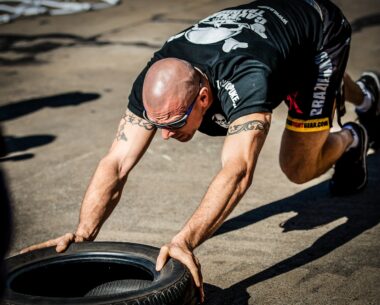

Incorporating Core Strength into Your Functional Gym Workouts
Functional fitness emphasizes training to improve daily activities, which makes core strength an essential component of any effective gym workout. A strong core stabilizes the entire body, improving performance and preventing injury. This is particularly important in functional workouts that involve dynamic movements and lifting. Exercises that engage your core help you maintain good posture, enhance balance, and generate power for various physical activities. Moreover, incorporating core strength training into your functional workouts can lead to a significant boost in overall fitness levels. As you develop a solid core foundation, you become more proficient in other functional movements such as squats, lunges, and overhead presses. Essential core-strengthening exercises include planks, dead bugs, and Russian twists, complemented by these compound exercises. Be sure to maintain proper form during each exercise to maximize benefits. Adding variations to your traditional movements can also enhance core engagement, allowing for greater progression. As you create new workout plans, consider integrating these core-centric exercises into your routines to achieve a balanced functional training program. By prioritizing core strength, you will improve your gym performance and your overall quality of life.
To effectively enhance core strength, you must implement a variety of training techniques that challenge your body in multiple planes of movement. Incorporating exercises such as stability ball rollouts or kettlebell swings helps engage your core while also working on other muscle groups. Using equipment like resistance bands can also add intensity and variety to your workouts, providing even more dynamic movements that focus on core activation. Gradual progression is vital while ensuring that proper technique is enforced. For those new to functional workouts, start with basic exercises and slowly increase the complexity as your strength and stability improve. Additionally, consider the time spent on your core workouts in relation to your overall training program. It is essential to strike a balance so that core work supports your functional training rather than becomes a separate or mundane task. Recovery is equally important; remember to listen to your body and allow adequate rest as your core muscles adapt to the increased demands. This will further enhance your performance in functional activities and prevent injury. Stay conscious of how your core strength can impact everyday tasks, providing added motivation and clarity for your fitness goals.
Enhancing Stability and Balance
Stability and balance are crucial elements of functional fitness that significantly benefit from core strength. A well-developed core acts as your body’s powerhouse, enabling efficient movement and maintaining equilibrium during various activities. When your core is strong, you can perform complex movements more safely and effectively. Balance exercises, such as single-leg deadlifts or stability ball squats, can help develop not only core strength but also improvements in your overall stability. Exercises that load the body in a single plane help build strength in those planes while activating core muscles that might otherwise remain dormant. Emphasizing stability in your functional workout routines allows you to engage different muscles and improve coordination. Activities such as Pilates or yoga can also be a great addition to your training program. These practices focus on core strength, flexibility, and body awareness. Incorporating them into your weekly routine can provide a mental and physical challenge that enhances your functional fitness. Furthermore, strong balance contributes to injury prevention by helping to mitigate the risk of falls or missteps during workouts and daily tasks alike, creating a lingering positive impact on your functional performance.
Nutrition plays an important role in supporting your core strength development as well. Alongside your workout routine, a balanced and nutritious diet lays the foundation for muscle growth and recovery. Ensure that you consume enough protein to support muscle repair after intensive workouts. Incorporate a variety of fruits, vegetables, and whole grains into your meals to supply the vital nutrients needed for optimal energy levels throughout your training. Staying hydrated is also crucial during workouts, as proper hydration supports muscle function and helps prevent fatigue. Furthermore, consider your meal timings in relation to your workouts to maximize energy and recovery. Eating a small meal containing carbohydrates and protein one to two hours before training can give you the fuel you need during your session. Post-workout nutrition is equally important; aim to eat within 30-60 minutes after exercising to help replenish lost nutrients and accelerate recovery. This ensures that your body has all the necessary resources to repair muscles and continue progressing in your core-strengthening exercises, enhancing the effectiveness of your overall functional workout plan.
Mind-Body Connection
Utilizing the mind-body connection during workouts can yield substantial enhancements in core strength and overall fitness. Focusing on your body’s movements and maintaining a strong mental presence can increase your awareness of how to properly engage your core during exercises. By practicing mindfulness in your workouts, you can ensure better form and technique, leading to greater improvements in strength and performance. Visualize the muscles you are trying to activate and think about how they interact with adjacent muscle groups. This can help create neural pathways that improve muscle coordination and efficiency. Incorporate breathing techniques into your workouts, concentrating on deep, controlled breaths that encourage relaxation while maintaining tension in your core. Proper breathing patterns will not only provide stability but also enhance endurance and power output during complex movements. Additionally, consider the role of relaxation techniques such as meditation or progressive muscle relaxation. These practices can help release stress and tension, allowing for greater muscle recovery and performance. Balance the physical and mental aspects of your fitness journey, and you’ll find that fostering a strong mind-body connection significantly contributes to your core strength gains.
Tracking your progress is vital for maintaining motivation and ensuring you are meeting your fitness goals. Documenting workouts, routines, and physical changes allows you to evaluate your improvement over time. Using fitness apps or online platforms can help streamline this process, providing you with visual representations of accomplishments that keep you inspired. Consider setting short-term goals that align with your core-strengthening objectives and functional fitness ambitions. Breaking down larger goals into more manageable targets can make your journey more rewarding, offering opportunities for celebration. Join group classes or find a workout buddy to create a sense of community and accountability. This social aspect can further enhance your motivation and commitment to your workout routines. Track your core strength separately, noting improvements in exercises like planks or medicine ball throws, as this will help you see how far you’ve come. Encouraging others to share their progress can create a collective atmosphere of support and positivity, which can ultimately benefit everyone involved. In the dynamic world of fitness, tracking your advancements in core strength is integral to sustaining long-lasting success and progress in functional workouts.
Final Thoughts on Core Strength in Functional Fitness
Incorporating core strength into your gym workouts is essential for achieving a well-rounded functional fitness routine. Emphasizing exercises that engage your core will not only improve performance but also promote injury prevention and overall well-being. The synergistic relationship between core strength and functional training can lead to significant enhancements in daily activities. As you prioritize core development, remember to embrace a holistic approach. This includes paying attention to your nutrition, mental focus, and progress tracking as essential elements of fitness. By fostering an environment that nurtures core strength, you are empowering yourself to excel in your gym endeavors and everyday life. Stay consistent and patient; incremental progress leads to long-term success. Adapting your workout plans based on your evolving goals can also further enrich your core strength journey. Incorporate new exercises, adjust training frequencies, and explore different training modalities to keep your routine fresh and engaging. Ultimately, the commitment you make to strengthening your core will not only benefit your gym workouts but will also transform how you approach daily challenges, helping you lead a healthier, fitter life.
In summary, functional fitness is all about enhancing your ability to perform daily activities, and core strength is imperative to achieving that goal. Adopting a comprehensive approach to integrate core strength exercises within your functional workout programs will yield remarkable benefits. The key is to be proactive in engaging your core while also ensuring effective recovery, nutrition, and mental focus. As you explore various training options, remember the importance of variety and progression. Both play significant roles in avoiding plateaus and keeping your workouts exciting. By focusing on the above aspects, you will not only improve your physical fitness but also boost your confidence in performing functional movements. Work towards crafting a balanced routine that aligns well with your fitness aspirations, keeping in mind the diversity of exercises available. Lastly, don’t forget to appreciate your progress as you celebrate small victories along the way. Whether hitting a new personal best or mastering a challenging new exercise, each accomplishment signifies advancement in your fitness journey. Continue to seek knowledge, adapt your plans, and embrace the process, leading to a stronger, healthier you.