
How to Safely Return to Fitness After an Injury
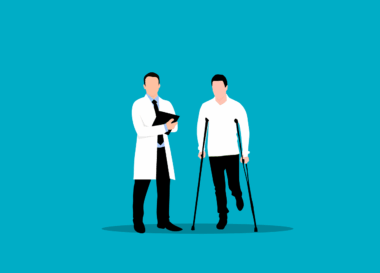
Returning to fitness after an injury can be overwhelming, especially if you’ve been sidelined for a significant period. The first step is to consult with a healthcare professional or physical therapist who understands your specific injury. They can provide insight into your recovery status and create a personalized plan tailored to your conditions. Listen to their advice and ensure that you follow their recommendations closely to avoid re-injury. Additionally, it’s important to consider starting with low-impact exercises that won’t place excessive stress on your body. Options like swimming or cycling can help gradually regain strength. Include flexibility and mobility routines to enhance your range of motion. Track your progress and be patient with yourself; recovery takes time. Setting small, achievable goals is essential to stay motivated and celebrate your progress along the way. Remember, your body needs adequate time to heal before jumping back into high-intensity workouts, so approach your fitness journey with caution and care. Surrounding yourself with supportive friends can positively impact your rehabilitation process as well.
Gradual Return to Activities
Implementing a gradual return to your usual activities is vital after an injury. Initially, focus on understanding your current limitations and how they interact with your physical activities. Communicate openly with your trainer or therapist about your recovery to create an exercise plan that respects your boundaries. Begin with basic movements and progress slowly over weeks, allowing your body time to adapt. Assess your response to each level of activity and adjust as necessary, ensuring you don’t overload your healing joints or muscles. It’s essential to listen to the signals your body provides; increased pain or discomfort can indicate that you’re pushing too hard or fast. Modify your exercises to accommodate your current condition, focusing on form and technique to prevent further injury. Incorporate rest days and cross-training to give yourself variety within your workout and alleviate potential overuse injuries. Strengthening your core and stabilizing muscles during this phase will be beneficial for your overall fitness. Adding dynamic stretches helps maintain muscular flexibility, keeping you mobile and prepared for more intense sessions ahead.
Nutrition also plays a significant role in recovery, as proper nourishment aids bodily healing processes. Focus on incorporating whole foods rich in vitamins and minerals. Examples include fruits and vegetables, lean proteins, and healthy fats. Hydration is crucial, so consume plenty of fluids to help with muscle recovery and overall performance. You might also consider adding supplements such as omega-3 fatty acids and glucosamine, known to support joint health, but always consult with a healthcare provider before introduction. A balanced diet rich in anti-inflammatory properties can significantly impact your healing process positively. Additionally, strategies like meal prepping can ensure you maintain a consistent, healthy diet throughout your rehabilitation. Keep a food journal to track your meals and monitor how they align with your recovery goals. Feeding your body the right nutrients will help restore strength and function while giving you the energy required for rehabilitation exercises. Focus on an optimal intake of lean proteins to aid muscle repair and recovery following workouts, suggesting chicken, turkey, fish, or plant-based sources as excellent options.
Setting Realistic Goals
As you work to regain your fitness, setting realistic and achievable goals is essential. Start by creating short-term objectives that focus on incremental progress rather than unrealistic expectations. For example, aim to improve your ability to carry out daily activities effectively before tackling intense training sessions. Make sure your goals are specific, measurable, achievable, relevant, and time-bound (SMART). By defining your objectives in this manner, you can track your progress more effectively, keeping you motivated and focused on your recovery. Celebrate each accomplishment, whether it’s a simple workout completed without pain or returning to a familiar exercise routine. Revising your goals regularly based on your rehabilitation progress is beneficial, allowing flexibility while still maintaining accountability. Using a journal to document your journey can provide valuable insight into what works well for you and what requires adjustment. Always stay in conversation with your healthcare provider to adapt your goals as you recover. Connect with others who have faced similar experiences and find a support network that can encourage and inspire you to stay committed to your rehabilitation plan.
Throughout your recovery, it’s crucial to monitor any lingering symptoms and be proactive about managing discomfort. By identifying and addressing potential pain triggers early on, you help prevent future injuries. Techniques like foam rolling, stretching, and controlled breathing can effectively alleviate tightness and promote muscle recovery. Additionally, consider enlisting the help of a skilled rehabilitation professional who can guide you through novel exercises specifically for your injury type. Commitment to a proper warm-up and cool-down routine before and after every exercise session is vital. Becoming familiar with your injury can lead to greater success as you understand how to manage your physical state effectively. Various physical therapy modalities—like ultrasound or electrical stimulation—may further support recovery efforts. Staying mentally engaged in recovery will empower you to push past discomfort while learning the importance of respecting your body’s limitations and capabilities. Transitioning back to a regular fitness routine doesn’t have to be daunting, but it requires a thoughtful approach that emphasizes sustainable habits and responsiveness as you progress.
Incorporating Strength Training
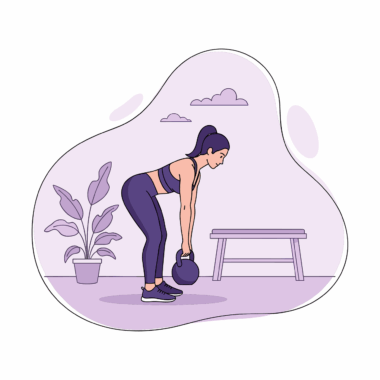
As you become more comfortable and begin rebuilding strength, incorporating some resistance training into your routine can be quite beneficial. It’s important to select exercises that are appropriate for your injury stage, focusing on low-weight, high-repetition movements initially to build endurance without overburdening your body. Compound exercises yield greater benefits through increased muscle activation and can effectively support overall rehabilitation. Always prioritize correct form over lifting heavier weights. Additionally, exercises targeting your core, balance, and coordination will enhance functional stability, further preventing future injuries. Resistance bands and bodyweight exercises are excellent choices when starting out. Monitor your response to each new exercise and be cautious when increasing weights. Tracking your overall progress can be helpful, as seeing tangible improvements reinforces your commitment to returning to full fitness. Social support can also play a critical role here; share your strength-training journey with friends, family, or online communities to hold yourself accountable and foster motivation. By steadily working on your strength, you prepare your body for a successful and safe return to more demanding fitness activities.
Lastly, consider including mindfulness practices as part of your rehabilitation process. Techniques such as yoga can enhance both physical and mental recovery, promoting stress reduction and fostering a connection between body and mind. Practicing mindfulness can help you listen to your body more attentively, enhancing your ability to discern when something feels off and allowing you to respond accordingly. Additionally, consider exploring meditation or breathing exercises to help ease anxiety surrounding your injury and recovery journey. Engaging in such activities can also enhance muscle relaxation, making it easier for your body to heal. Returning to fitness after an injury will likely have mental components as intense as the physical, so it’s essential to address them with kindness and patience. Joining group classes or communities that focus on rehabilitation may provide additional support and camaraderie during this time. Prioritize mental well-being just as much as your physical progress, as both are integral components to successfully navigating your path back to overall fitness and health.