
How to Maintain a Healthy Colon After a Cleanse
After completing a colon cleanse, it is essential to ensure that your colon remains healthy and functions optimally. A colon cleanse involves removing accumulated waste and toxins, but post-cleanse care is just as important. Start by incorporating a high-fiber diet rich in fruits, vegetables, whole grains, and legumes. These foods help facilitate regular bowel movements and promote digestive health. In addition, drinking plenty of water is crucial, as hydration aids in digestion and nutrient absorption. A good rule of thumb is to aim for at least eight 8-ounce glasses of water daily. Also, consider probiotics, which are beneficial bacteria that support gut health. These can be found in yogurt, kefir, or fermented foods like sauerkraut. Regular physical activity can boost digestive health by improving circulation and promoting motility. Try to engage in at least 30 minutes of moderate exercise most days of the week. Lastly, be mindful of your stress levels, as stress can negatively impact digestion. Incorporating relaxation techniques, such as meditation and yoga, can also help maintain colon health.
To support a healthy colon, it is important to avoid certain foods and substances that can hinder its function. After a colon cleanse, steer clear of overly processed foods as these can be low in nutrients and high in unhealthy fats, sugars, and additives. Also, limit your intake of red and processed meats, which can be tough on your digestive system and may lead to inflammation. Instead, focus on lean proteins such as fish, chicken, and plant-based sources like legumes. Furthermore, cut back on alcohol and caffeine, which can dehydrate the body and disrupt digestion. Tobacco products should also be avoided, as smoking can increase the risk of colon cancer and other health issues. The key to maintaining a healthy colon post-cleanse is balance; a diet high in whole, unprocessed foods will significantly improve your digestive health. Listening to your body is essential; if you notice discomfort after eating certain foods, consider reducing or eliminating them from your diet. Instead, focus on nutrient-dense foods that promote healing and wellness.
Regular Check-ups and Screenings
Regular medical check-ups and screenings play a vital role in maintaining colon health after a cleanse. Be proactive by scheduling routine appointments with your healthcare provider. These check-ups allow for early detection of any potential issues, ensuring timely interventions if necessary. Discuss with your doctor the right timing for screenings based on your individual risk factors and family history. Individuals aged 45 or older should undergo screening tests for colon cancer, including colonoscopies, as these provide valuable insights into the health of your colon. If you have a personal or family history of colon cancer, initiating screenings earlier may be advisable. Additionally, being aware of potential warning signs of digestive issues, such as unexplained weight loss, persistent changes in bowel habits, or abdominal pain, can help you seek help promptly. Furthermore, discussing your dietary habits and overall lifestyle with your healthcare provider will aid in receiving tailored advice for maintaining optimal colon health. Remember that taking a proactive approach to your health is crucial for long-term well-being.
Alongside dietary changes and regular screenings, establishing a healthy routine will support your goal of maintaining a healthy colon. To achieve this, ensure adequate sleep each night, as rest is fundamental for overall health, including digestive well-being. Aim for seven to nine hours of quality sleep each night, as this can improve your metabolism and overall gut function. Additionally, managing stress through practices like meditation, exercise, and relaxation techniques is essential. Chronic stress can lead to disrupted digestion and contribute to gut problems, so finding effective ways to cope with stress will enhance your colon’s health. Engage in activities that bring you joy and relaxation, whether reading, spending time in nature, or enjoying hobbies. Furthermore, consider journaling to track your dietary habits and emotional state; this can help identify triggers or patterns that affect your gut health. Establishing a supportive community can also be beneficial. Surround yourself with friends or support groups that share your health goals, making it easier to stick to healthy habits.
Exercise and Physical Activity
Regular physical activity is vital in maintaining a healthy colon after a cleanse. Exercise not only aids digestion but also boosts overall health and well-being. It is recommended that adults engage in at least 150 minutes of moderate-intensity aerobic activity each week. Activities like brisk walking, biking, swimming, or even gardening can effectively promote digestive health. Moreover, incorporating strength training exercises into your routine at least twice a week can enhance muscle tone and support metabolic function. Find an enjoyable activity that you can commit to consistently, as this will be more sustainable in the long run. Additionally, consider breaking your exercise routine into smaller segments throughout the day if you struggle with longer sessions. Simple changes, like using the stairs instead of the elevator or taking short active breaks during the day, can contribute significantly to your overall activity level. Even moderate activities have been shown to improve motility and decrease the risk of constipation. Therefore, prioritize movement as an integral part of your colon health maintenance plan.
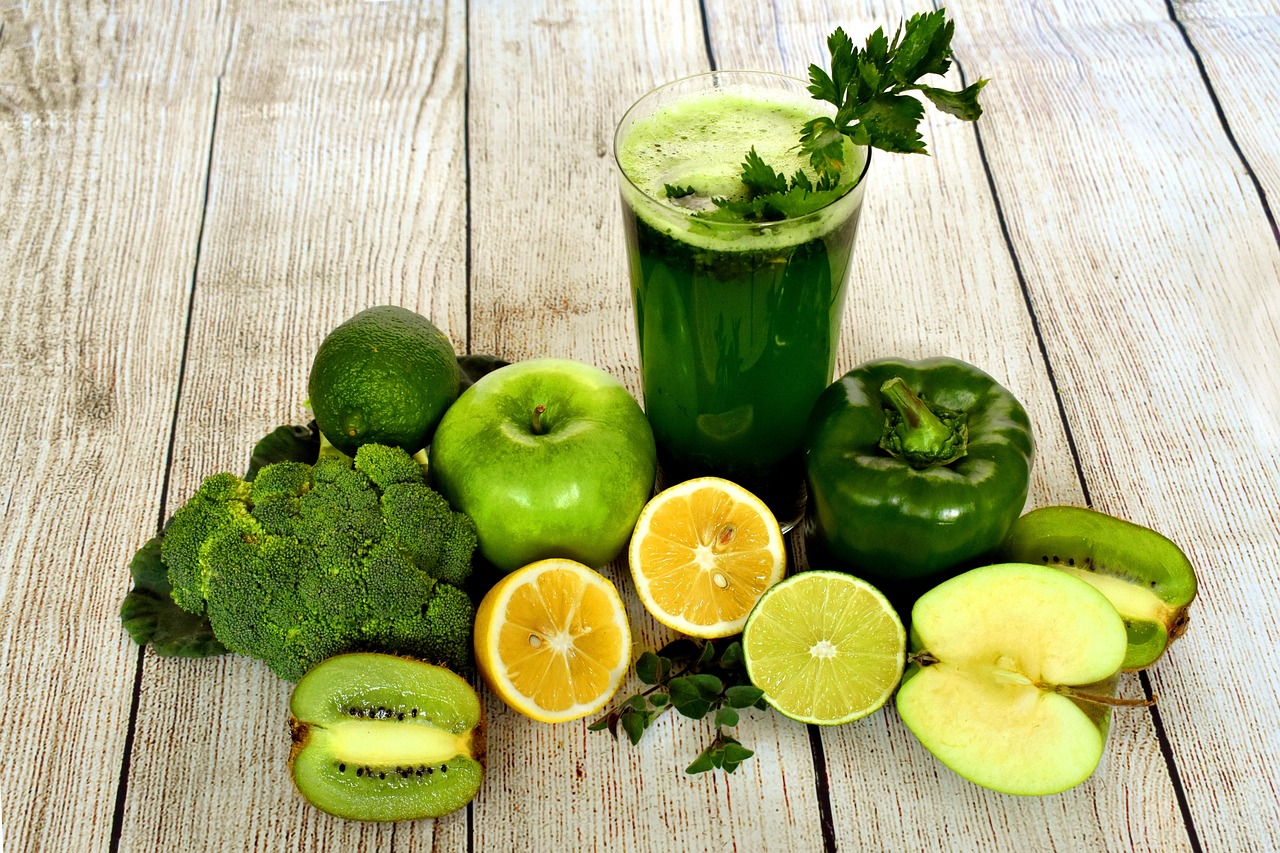
Incorporating a variety of foods into your diet can have a significant positive impact on colon health. After your cleanse, focus on diversity in your meals to ensure you receive all essential nutrients. This means including a wide array of fruits, vegetables, legumes, whole grains, lean proteins, and healthy fats. Colorful produce often signifies a rich array of antioxidants and phytonutrients that benefit your digestive system. Berries, leafy greens, avocados, nuts, and seeds should be included regularly. Additionally, fermented foods like kimchi, yogurt, and kefir can introduce beneficial bacteria into your gut, further supporting your digestive health. Be bold in your culinary experimentation, as trying different foods can keep meals exciting and satisfying. Focus on preparing meals at home to control ingredients and portions, which can help you maintain a balanced diet. Meal prepping can also save time and ensure healthier options are readily available. Moreover, be mindful of portion sizes, as overeating can lead to discomfort and negatively affect digestion. Stick to your healthy eating habits to keep your colon functioning well.
Hydration’s Importance
Hydration is crucial for maintaining a healthy colon, especially after a cleanse. Water plays a vital role in digestion, absorption of nutrients, and elimination of waste. After completing a colon cleanse, aim to increase your water intake to support your digestive system. The recommended daily water intake varies per individual. However, a common guideline is to consume at least half your body weight in ounces daily. For example, if you weigh 160 pounds, aim to drink around 80 ounces of water each day. In addition to plain water, consider consuming herbal teas and clear broths, which can further enhance hydration. Foods with high water content, such as cucumbers, oranges, and tomatoes, should also be part of your diet. Moreover, avoid relying solely on caffeinated or sugary beverages for hydration, as these can lead to dehydration and other health issues. Instead, establish a habit of carrying a water bottle with you to remind yourself to drink throughout the day. Remember that proper hydration will contribute significantly to your colon health and overall well-being.