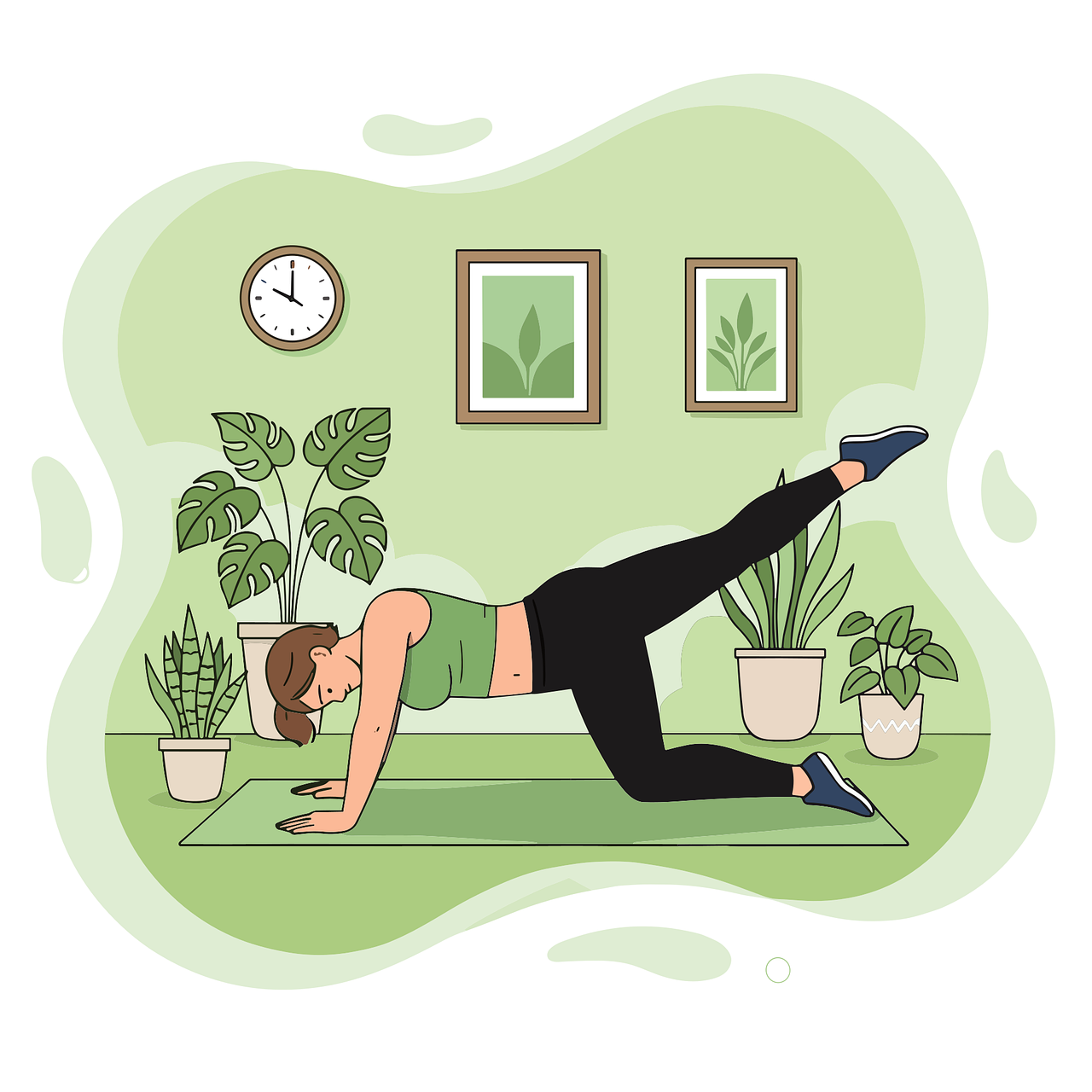

Ergonomic Tips for Home Workouts to Protect Your Joints
Proper ergonomics in your home workouts can significantly reduce the risk of joint injuries. First and foremost, ensuring that your workout area is free from clutter is crucial for maintaining safety during exercises. Well-organized exercise space allows for smoother movement and helps prevent unintended slips. Moreover, consider using a yoga mat or soft padding which can absorb shock and provide comfort during high-impact movements. Furthermore, choose appropriate workout gear designed to support your body type. Wearing quality shoes that provide adequate cushioning and arch support can make a world of difference when performing aerobic exercises. Another key aspect involves maintaining proper posture. Be mindful of your body’s alignment during workouts to reduce the strain on your joints. For instance, when lifting weights, keep your back straight and use your legs to lift, rather than your back. To further enhance comfort, make regular adjustments to your routine and incorporate warm-up and cool-down stretches. Take time to listen to your body, and if something doesn’t feel right, modify your movements accordingly. These measures can lead to safer and more enjoyable home workout experiences.
When performing exercises, be cautious about the range of motion you employ. Always work within your comfortable limits and avoid overstretching or hyperextending joints. Gradually increase the intensity of workouts instead of jumping into high-impact regimes, especially if you’re new to exercise or recovering from injury. Start with low-impact exercises, like walking or cycling, and gradually progress as your body adjusts. Another useful tip is adopting appropriate exercise modifications specific to your fitness level. For example, during strength training, utilize lighter weights and focus on form before increasing resistance. Concentrate on slow, controlled movements to enhance muscle engagement without unnecessary strain. Additionally, remember to stay hydrated during your workout sessions. Dehydration can lead to cramping, reduced performance, and increased discomfort in your joints. As a general rule, aim to drink enough water before, during, and after your workout to maintain optimal hydration levels. Furthermore, consider integrating low-impact activities such as swimming or yoga. These types help develop strength and flexibility without putting excessive pressure on your joints, thereby promoting longevity in your fitness journey.
Adapting Your Space for Optimal Comfort
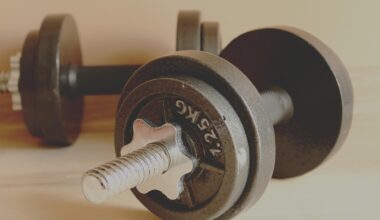
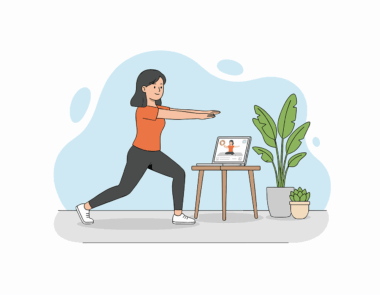
Creating a dedicated workout space in your home promotes motivation and eases the exercise process. Ensure this area is well-ventilated, with enough room to move freely without risk. Consider adjusting the temperature to a comfortable level, as excessive heat can lead to fatigue quicker, thereby discouraging consistency in your workouts. Moreover, utilizing natural light can not only improve your mood but also enhance your overall energy levels while exercising. Ensure all your equipment is in good condition and suitable for the exercises you plan to perform. Before starting any session, inspect your mats, weights, and tools for wear and damage. It’s also wise to invest in adjustable equipment, such as dumbbells or benches, to accommodate various exercises without compromising your form. Additionally, having a mirror nearby can help you monitor your alignment and posture. Maintaining a good form during exercises reduces the risk of injury, especially for beginners. Utilizing video tutorials or apps can give you guidance, ensuring safety while embarking on your fitness journey from home.
Be sure to include balance and core-strengthening exercises in your routine. Strengthening your core enhances stability and proper alignment, which reduces stress on your joints during workout routines. Exercises like planks or stability ball workouts are excellent additions to any regimen. Stretching should also be a primary element of home workouts. Integrating a comprehensive stretching routine helps maintain flexibility and can alleviate tension build-up after resistance training. Focus on both dynamic stretches before workouts and static stretches post-exercise for optimal benefits. Moreover, using foam rollers can help relieve muscle tightness and promote better recovery. Taking time to cool down gradually after workouts keeps blood circulation steady and reduces discomfort. Pairing relaxation techniques, such as deep breathing or gentle yoga, after intense workouts can also aid recovery and improve overall well-being. It’s essential to set realistic fitness goals tailored to your personal abilities while progressively striving to challenge yourself. This will help in preventing injuries and bolster motivation. Importantly, keep an open line of communication with fitness professionals when available, and be willing to ask questions should any exercises become unclear.
Developing Consistency in Your Routine
Building and maintaining a consistent workout routine is vital for achieving long-term results while protecting your joints. Establishing a schedule that aligns with your lifestyle can facilitate a lasting commitment to fitness. Consider initializing yourself into a realistic routine where workouts gradually increase in frequency and intensity. Aiming for at least three sessions per week is a good starting point. Furthermore, track your progress to identify patterns and when adaptations may be necessary for maintaining motivation. Include both cross-training and varying exercise types to prevent overuse injuries associated with repetitive movements. Rotation of muscle groups enables recovery while still allowing you to achieve fitness goals. Incorporating fitness assessments can help evaluate strengths and weaknesses regularly for well-rounded development. Don’t shy away from seeking community support from workout partners or online communities. Engaging with others can help you stay accountable and motivated while exchanging tips on maintaining safety. Finally, embrace the use of technology such as apps or wearable fitness trackers that monitor your performance and offer reminders, promoting consistency in your workouts while ensuring you prioritize joint safety.
Understanding the importance of nutrition alongside exercise is critical for joint health. Focus on a balanced diet rich in omega-3 fatty acids, antioxidants, and vitamins that support inflammation reduction and promote healing. Foods like salmon, leafy greens, and nuts can significantly boost your nutritional intake while benefiting joint health during workouts. Pay attention to your body’s signals, as they can indicate necessary shifts between rest and activity days. Recognizing when to push through discomfort versus when to take a break is crucial. Always prioritize recovery days, allowing your body adequate time to heal after intense workouts to prevent inflammation and joint pain. Moreover, having active recovery strategies in place can also be beneficial. Engaging in light activities such as walking or gentle stretching can keep your body limber and reduce stiffness. While self-motivation is essential, maintaining an attitude of patience with your progress is equally important. Set long-term goals that encourage you to embrace the journey rather than focusing solely on immediate results. With a combination of these approaches, you can cultivate a sustainable and healthy home workout regimen that prioritizes joint safety.
Staying in Tune with Your Body
Ensuring you remain attuned to how your body feels during each workout is essential. Being mindful can help detect any discomfort or signs of strain on your joints. Consider incorporating mindfulness techniques such as body scans or meditation before workouts to increase awareness. When you develop a heightened sense of self-awareness, you become more adept at understanding when your body may need a break. It is also advisable to keep a fitness journal where you document your workouts, feelings, and milestones. These records can provide insightful data guiding your future workouts. Listening to your body encompasses paying attention to not just physical signals but emotional indicators as well. An exercise routine that promotes joy and positivity is vital to sustaining long-term engagement. If you begin feeling bored or fatigued, brainstorming new activities or refreshers can reignite your passion for fitness. Encourage yourself to persist even in challenging times and recognize the importance of progress over perfection. Every small effort counts and leads you closer to your fitness aspirations while safeguarding your joints and enhancing your overall health.
Lastly, celebrating achievements, regardless of their size, is critical. Commemorating milestones encourages motivation and helps with accountability. Share your success with friends or on social media to inspire others, while reinforcing your personal journey. Reflecting on your growth, whether through improved fitness levels, endurance, or joint health, provides valuable insights into what methods are effective. Also, don’t forget that rest, sleep, and relaxation are part of the fitness cycle. Prioritize sleep as it’s crucial for recovery and muscle repair. Aim for at least seven to eight hours of quality sleep every night to enhance performance. Ensure that your routine aligns adequately with regular life and doesn’t lead to burnout. Remember, workouts should empower and invigorate, not exhaust and deplete your body. Balancing active days with restorative practices means you get the most out of every session. Lastly, be flexible in adapting your goals as circumstances change; this can enhance your success in maintaining a safe and enjoyable workout experience at home. Embracing this holistic view of your fitness journey fosters a healthy, sustainable approach to achieving lasting results.