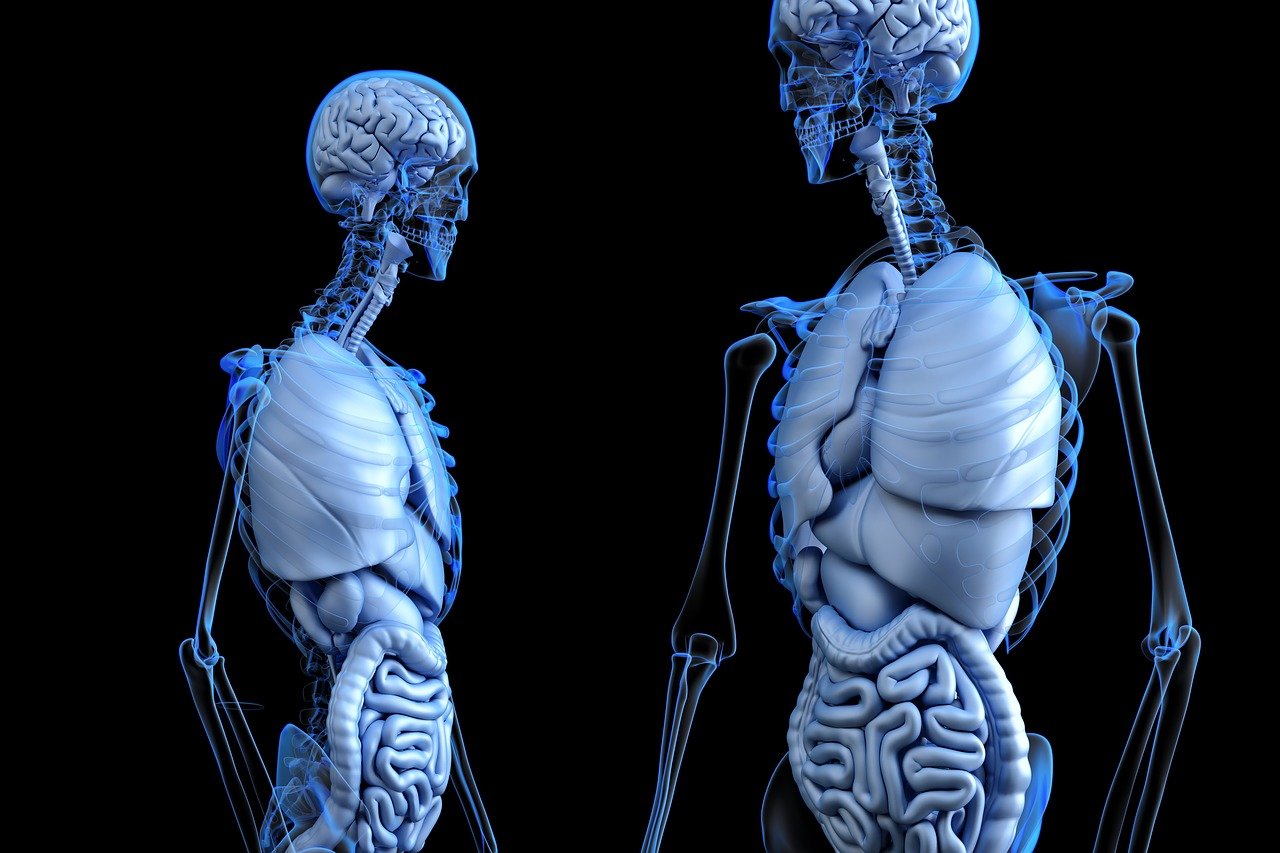

Colon Cleanse Diet Myths Debunked
The popularity of colon cleanse diets has led to various misconceptions. Many people believe that regular colon cleansing is necessary for good health. However, our bodies naturally detoxify and eliminate waste efficiently without external interventions. The misconception that the colon needs frequent cleansing may stem from a misunderstanding of digestive health. In reality, a balanced diet rich in fiber can aid digestion and support the colon’s natural function. Overemphasis on cleansing can lead to unnecessary procedures, which may pose risks rather than benefits. Moreover, the idea that a clean colon leads to better absorption of nutrients is misleading. The body absorbs nutrients through the small intestine, making the colon’s cleanliness irrelevant for most nutrients. Instead, focus on maintaining a healthy diet full of fruits, vegetables, and whole grains. Many medical professionals criticize the marketed products for colon cleansing, emphasizing their lack of scientific support. They can often lead to dehydration and electrolyte imbalances, which can cause more harm than good. Rather than relying on these myths, consider lifestyle changes that promote overall health and well-being.
Another prevalent myth surrounding colon cleanse diets is the notion that they can significantly aid weight loss. Many proponents argue that detoxifying the colon will remove toxins and excess waste, resulting in quick weight loss. However, the temporary weight loss experienced may be nothing more than losing water weight or bowel contents rather than actual fat loss. This approach may lead to unsustainable and unhealthy practices, as individuals might adopt overly restrictive diets that don’t provide enough nutrients. Instead, strive for consistent long-term weight management through balanced nutrition and exercise. Focusing on gradual lifestyle changes effectively promotes a healthy relationship with food, rather than quick fixes. Many people fall into the trap of expecting instant results from cleansing diets, which can cause feelings of disappointment and frustration. Furthermore, anyone considering drastic dietary changes should consult a healthcare professional. This can ensure that chosen methods align with their individual health needs. Prioritizing holistic approaches to colon health, such as hydration and a fiber-rich diet, promotes well-being rather than relying on fads that lack scientific validation.
The Science Behind Colon Health
Many believe that colon cleanse diets enhance overall well-being, believing they improve energy levels and mental clarity. In reality, there is little scientific evidence to support such claims. The body is designed to carry out detoxification through the liver and kidneys. These organs naturally eliminate toxins without the need for external supplements or harsh cleanses. Additionally, consuming excessive supplements or undergoing rigorous cleanse processes can lead to adverse effects. Individuals may experience gastrointestinal discomfort, including cramps or bloating, which contradicts the intended purpose of feeling rejuvenated. The best way to support colon health is through a fiber-rich diet, including fruits, vegetables, and whole grains. Staying adequately hydrated is also crucial, as it promotes proper digestion and waste elimination. Instead of falling for the allure of detox products, consider simple lifestyle choices that enrich your diet. Incorporating regular physical activity benefits both overall health and digestive function. By focusing on nourishing your body with wholesome foods, you support balanced digestion without resorting to drastic cleanse regimens.
Another common misconception is that colon cleanse diets can prevent illnesses, including cancer or other serious diseases. While maintaining a healthy colon is vital, there is no conclusive research linking cleansing diets to disease prevention. Advocates of these diets often claim that regular cleansing can help eliminate harmful substances associated with various health issues. Yet, this idea lacks substantial scientific backing. Regular screenings and medical check-ups are essential for colon health, as they can detect any potential issues early. Instead of engaging in cleansing practices, it’s advisable to follow recommended guidelines for colon cancer screenings based on age and family history. A fiber-rich diet plays a significant role in promoting colon health and preventing potential diseases. Fiber helps regulate bowel movements and lowers the risk of various conditions, such as diverticulosis and colorectal cancer. It’s important to understand that health results from long-term choices rather than short-term cleanses. Focus on educating oneself about digestive health instead of chasing myths that can lead to confusion and unhealthy practices.
Understanding Gut Health
People often perceive colon cleanse diets as special cures for bloating and digestive issues. While these diets claim to alleviate discomfort and improve gut health, many factors contribute to a healthy gut. Dietary choices, hydration, and individual lifestyle habits play crucial roles. Often, discomfort results from inadequate fiber intake or dehydration, leading to constipation and bloating, not a dirty colon. The gut’s microbiome consists of billions of bacteria essential for digestion and overall health. A balanced diet supports a thriving microbiome. Instead of relying on cleanses, consider incorporating fermented foods and prebiotics into your meals. Foods like yogurt, sauerkraut, and kimchi can enhance gut health without the harsh effects associated with cleanses. Learning to listen to your body’s signals helps you identify specific foods that may trigger discomfort, enabling smarter dietary choices. Personalizing your approach, rather than adhering to popular trends, is vital to ensure overall digestive well-being. Ultimately, embracing a holistic understanding of gut health will provide far more benefits than relying on unproven claims related to colon cleanses.
Many popular colon cleanse products claim to eliminate waste and toxins within days, leading to another myth surrounding quick results. Unscrupulous marketing may create unrealistic expectations, often neglecting to inform consumers of the potential dangers. Short-term cleanses are not typically sustainable or effective for long-lasting health benefits. The idea that the colon is clogged with years of waste is misleading. The body, through natural processes, consistently works to remove waste efficiently. Rather than focusing on quick fixes, individuals should prioritize a balanced diet rich in nutrients for lasting health. Many fad diets may promise rapid results but can negatively impact metabolic health. A healthier alternative often includes smaller, more manageable dietary changes that promote well-being over time. Discussing dietary concerns with a nutritionist or healthcare provider offers personalized guidance tailored to individual needs. Prioritizing healthy and safe methods for supporting colon health ultimately leads to better long-term results. Instead of falling prey to quick-fix myths, embrace a comprehensive approach focused on balanced nutrition, adequate hydration, and a healthy lifestyle for optimal digestive health.
The Bottom Line on Cleansing Diets
In conclusion, the myths surrounding colon cleanse diets are numerous and often misleading. The belief that regular cleanses are necessary for optimal health lacks scientific support. With the body providing its natural detoxification abilities, relying on products that promote cleansing may do more harm than good. Instead of engaging in frequent cleanses, individuals should focus on maintaining a well-balanced diet that supports overall health. Prioritizing adequate fiber intake, water consumption, and regular exercise will foster a healthy colon. The complexities of digestive health require a more nuanced understanding than simply following myths or trends. By cultivating a lifestyle centered around nourishing foods and holistic practices, you can support your digestive health effectively. Additionally, it’s crucial to discern marketing hype from legitimate health advice. Always consult a healthcare professional before making significant dietary changes or embarking on cleanse diets. Recognizing that sustainable, long-term health results from consistent choices and mindful eating can lead to improved well-being. Avoid falling prey to quick fixes or fleeting trends that threaten digestive harmony and overall health.