
Using Adaptive Equipment to Increase Exercise Safety with Chronic Illness
Exercise is crucial for people with chronic illnesses, as it aids recovery and promotes overall health. However, safety concerns often arise. Adaptive equipment can help mitigate these risks, ensuring that individuals maintain an active lifestyle without exacerbating their conditions. Such equipment can range from specialized walking aids to custom sports gear, making certain activities more accessible. Additionally, using adaptive tools can enable individuals to engage in exercises that would otherwise be challenging due to pain or limited mobility. For example, using supportive braces or cushioned mats can reduce strain while ensuring balance during workouts. Furthermore, the inclusion of technology, such as heart rate monitors and wearable fitness trackers, allows individuals to monitor their exertion and adjust accordingly. This integration of adaptive equipment not only enhances safety but also fosters a sense of independence among users. By empowering individuals with the right tools, they can enjoy the numerous benefits of regular exercise while minimizing risks. Ultimately, the emphasis on adapting exercise routines according to individual capabilities is essential for anyone navigating chronic illnesses.
The Importance of Customized Equipment
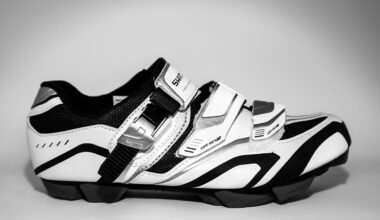
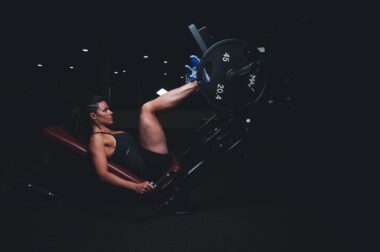
When considering exercise safety for those with chronic illnesses, customization becomes vital. Adaptive equipment should be tailored to meet specific needs of each individual. This personalization ensures that the equipment chosen directly addresses limitations while supporting intended activities effectively. For instance, if someone considers walking as an exercise, a person might benefit from personalized orthotic shoes. These shoes can provide necessary arch support and cushioning to alleviate discomfort. Additionally, resistance bands can be easily adjusted in intensity, making them perfect for various fitness levels. Moreover, seated exercise systems can facilitate safe, low-impact workouts for individuals who struggle with leg strength or balance. Customization also extends to the intensity and type of exercises performed, which should be adjusted based on individual capacity. Gradual increases in intensity or duration of a workout can prevent injuries. Also, physiotherapists play an essential role in recommending appropriate adaptations. They can provide advice on movements that maintain activity levels while ensuring safety. Ultimately, focusing on the distinct needs of individuals becomes a cornerstone for safe exercise practices among those living with chronic health issues.
Types of Adaptive Equipment for Enhanced Safety
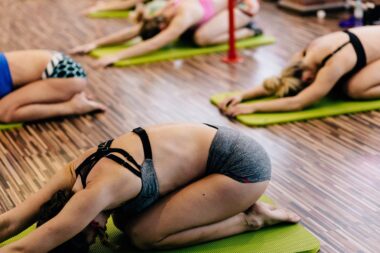
Numerous adaptive equipment options are available that can substantially enhance exercise safety. For example, adaptive mobility devices such as walkers and canes help individuals maintain stability while exercising. These devices can be customized to suit height and specific mobility needs. Additionally, resistance bands, often used for strength training, allow for controlled movements while adjusting to personal fitness levels. They provide versatile options for both flexibility and strength without the risk of weights falling. Yoga props, such as blocks and straps, help individuals achieve poses with correct alignment, increasing safety during practice. Another useful piece of equipment is an exercise bike, particularly recumbent models, thus allowing comfortable seated workouts that require less effort compared to standard bikes. Water-based equipment, like pool noodles or kickboards, allows for safe and effective aquatic exercises. Aquatic environments are often more forgiving on joints. Lastly, chair gyms offer innovative ways to build strength without the need for standing during workouts, thus significantly reducing the fall risk. Investing in the right equipment ensures that individuals stay safe, promoting confidence to engage in regular exercise.
Regular physical activity can improve mental health, reduce stress, and stimulate overall well-being. For individuals coping with chronic illnesses, these psychological benefits can be amplified. Exercise has been proven to release endorphins, which enhance mood and overall mental outlook. However, there may be apprehensions regarding the physical activity levels they can handle safely. Adaptive equipment can facilitate gentle introductions to exercise, making transitions easier for newcomers. Additionally, classes tailored for lower-impact movements often encourage participation by others with similar challenges. Group exercises, where adaptive equipment is utilized, also foster social connections. Such group settings motivate participants to push their limits gradually while sharing experiences that resonate. Advocating for forms of exercise that are enjoyable and safe leads to habitual activity, which is essential for long-term health benefits. Support systems, whether through friends, family, or professional trainers, further enhance adherence to exercise programs. Ultimately, understanding that adaptive equipment can tailor workouts to individual needs promotes mental strength alongside physical health. Knowledge of safe practices leads to a more profound sense of accomplishment, driving engagement in fitness and exercise routines.
The Role of Healthcare Providers in Equipment Selection
Healthcare providers, including physical therapists, play a critical role in the selection of adaptive equipment for exercise safety. Their expertise ensures individuals choose the right tools that align with personal abilities and health conditions. Having consultations with these professionals helps tailor exercise programs that maximize benefits while minimizing risks. Healthcare providers assess individual requirements and suggest suitable adaptive devices tailored to specific medical needs. This guidance leads to informed choices about which equipment to acquire. Types of recommendations could include canes, orthotic devices, specialized seats, or mobility aids, based on their assessment. Furthermore, practitioners provide training on how to use such equipment correctly, ensuring safety during workouts. They can guide exercises, ensuring that movements are performed with the correct techniques to avoid injuries. Additionally, ongoing evaluations help adjust routines and equipment as needed, fostering ongoing safety and adaptation of exercises. Regular follow-ups keep individuals accountable while promoting a sense of community and support. In conclusion, establishing this relationship with healthcare providers aids in creating a well-rounded approach to adaptive equipment, leading to improved exercise safety and outcomes.
Preventing Injury Through Proper Usage
Using adaptive equipment does not eliminate risk entirely. Proper usage is crucial for ensuring the safety and effectiveness of any exercise regimen. Individuals must receive adequate instructions on how to use their equipment effectively. Learning how to maintain stability with mobility aids can deter falls and other injuries. Moreover, exercises should begin with low intensity and gradually increase as confidence grows. This progressive approach minimizes the risk of overexertion, which can be harmful, especially for those managing chronic conditions. Education regarding equipment care also helps in maintaining its appropriate functioning. Regular maintenance checks can ensure that all components remain in excellent working condition. Additionally, individuals should be encouraged to listen to their bodies during workouts. Recognizing signs of fatigue or discomfort can prevent injuries from escalating. Finally, participating in guided exercise programs led by professionals can enhance safety further. Such programs can provide additional motivation and social engagement while ensuring that exercises are conducted safely. Overall, combining proper usage of adaptive equipment with awareness leads to safer exercise environments for those living with chronic illnesses.
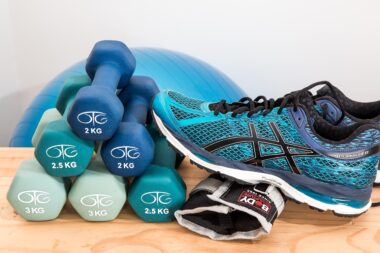
Creating a safe exercise environment can further enhance the effectiveness of adaptive equipment. Adjusting the workout spaces eliminates potential hazards that could lead to accidents. People can utilize furniture as support during exercises in home environments. Clear pathways free from clutter minimize the risk of falls, allowing for more focused workouts. Outdoor spaces should be inspected for stability, ensuring safe surfaces for movements. Additionally, having a water bottle nearby promotes hydration during workouts, especially in extended sessions. Proper attire is equally essential to prevent injuries; supportive shoes can enhance stability while absorbing shocks. Using mats can provide cushioning and grip, further reducing slip risks. Moreover, investing in mirrors allows individuals to monitor their form, thus fostering proper techniques. Encouraging the use of technology can also amplify safety; monitoring devices or alert systems can be beneficial during solo workouts. Engaging family members or friends for accountability increases adherence to exercise routines while empowering individuals with chronic conditions. Ultimately, fostering a supportive and safe environment is crucial in promoting effective exercise practices. This comprehensive approach ensures individuals remain motivated while working towards their fitness goals.
Conclusion: Staying Safe and Active
In summary, using adaptive equipment enhances exercise safety for people with chronic illnesses. Individuals can enjoy various benefits while minimizing risks by customizing equipment and adhering to safety practices. Healthcare providers significantly impact successful adaptation families to ensure individuals receive tailored recommendations and support throughout the process. Regular monitoring and feedback contribute to ongoing safety measures and motivation. Moreover, fostering a supportive environment allows individuals to feel empowered to engage in fitness activities. Adopting proper usage techniques is as important as selecting the right tools to maximize exercise safety. Group classes can also reinforce safe practices and build community connections. Expanding the variety of adaptive equipment available ensures that all fitness levels can be accommodated, allowing individuals to explore what suits them best. Remaining active is essential not just for physical health but also for mental well-being. These practices culminate in a comprehensive approach to exercise for those with chronic conditions improving quality of life overall. As individuals can experience the joys of movement safely, a culture of health and fitness can thrive without limitations.