
Best Pilates Exercises for Athletes with Different Body Structures
Pilates has become a preferred exercise for athletes due to its numerous benefits. This method emphasizes core strength, flexibility, and balance. However, athletes come in various body types, each with distinct needs and challenges. Acknowledging these differences is critical to maximizing the effectiveness of Pilates. Tailoring workouts based on individual body structure ensures not only improved performance but also enhances injury prevention. For instance, taller athletes may struggle with flexibility, while shorter athletes might benefit from strength-focused exercises. It’s essential to approach Pilates with an understanding of these nuances. A well-structured Pilates routine can address specific issues inherent to different body types. Engaging in consistent practice allows athletes to harness the power of their physical form, improving their overall athletic abilities. With a focus on form and technique, Pilates provides a platform for athletes to find their unique strengths and weaknesses. Additionally, incorporating modifications can make a substantial difference in the appropriateness of exercises for varying body types, ensuring every athlete aligns their practice with their physiological needs. As such, adapting Pilates practices to various body structures remains a crucial aspect of optimizing athletic performance.
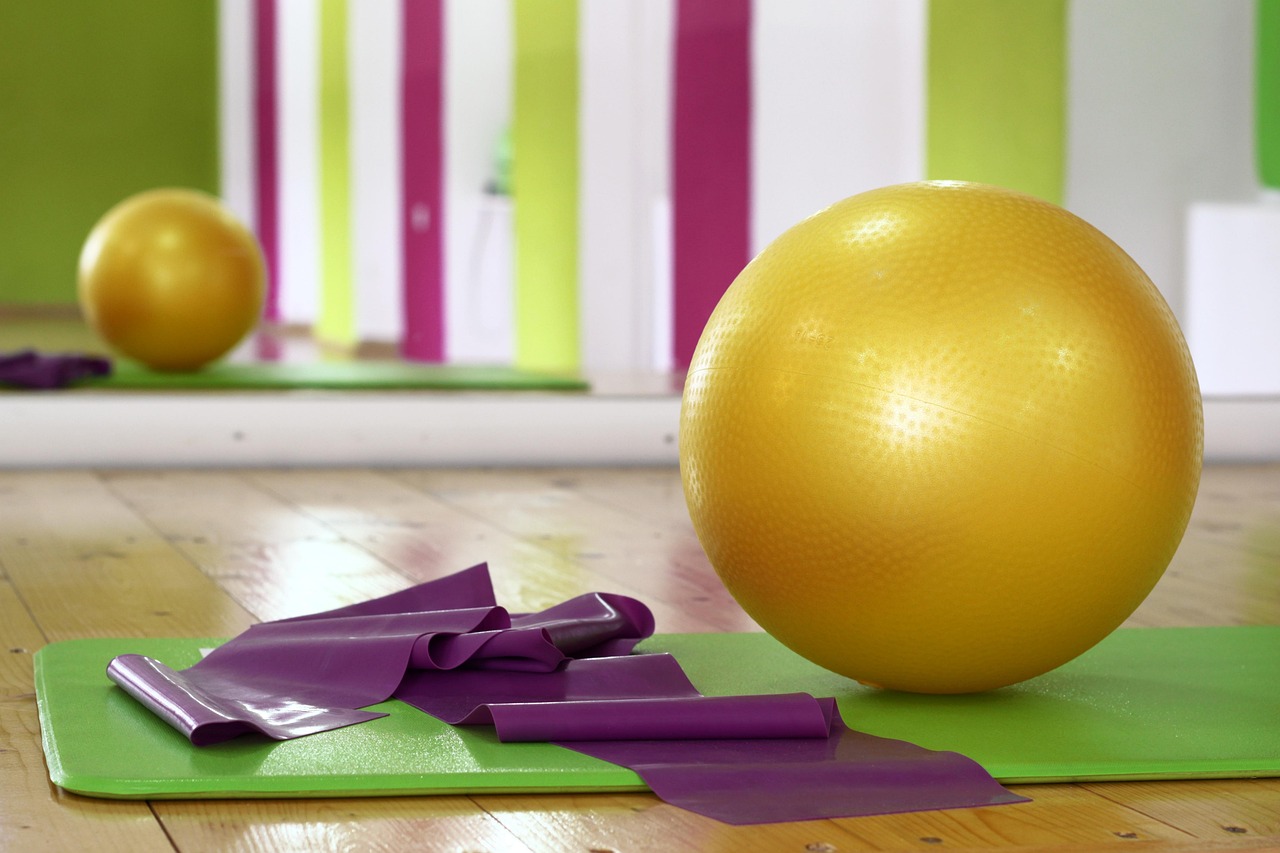
To design effective Pilates workouts for athletes, it’s vital to understand their body structures. For example, athletes with a muscular build may require different exercises compared to those with a lean physique. The former should focus on maintaining flexibility while emphasizing core stability. In contrast, individuals with a lean body frame can benefit from strength-building exercises that enhance muscle endurance. Moreover, incorporating resistance bands, reformers, and stability balls can intensify workouts, leading to superior results tailored to each body type. Pilates exercises like the Hundred, Teaser, and Roll-Up can be adapted to challenge any athlete effectively. Additionally, emphasizing proper breathing techniques within these exercises enhances body awareness and performance. Furthermore, proper alignment during Pilates helps prevent injury and promotes optimal movement efficiency. Athletes must also stay mindful of their limitations and work gradually toward their goals. By listening to their bodies, athletes can maximize their efforts and prevent potential injuries. This individualized approach not only makes Pilates accessible to everyone, regardless of body structure, but also fosters a more profound connection to movement. In doing so, athletes can create a more fulfilling and effective Pilates experience tailored to their unique requirements.
Fundamental Pilates Exercises for All Body Types
Every athlete can integrate specific Pilates exercises regardless of their body type or sport. Some exercises are foundational and serve as great starting points for all athletes. Incorporating the *Plank* position reinforces core stability, instrumental for every sport. The *Bridge* exercise promotes glute strength and enhances pelvic stability, crucial for powerful movements. The *Saw* improves flexibility and strengthens the spinal column, which is essential for any athlete. The *Side Leg Series* enhances hip mobility, assisting athletes in lateral movements, pivotal in many sports. Each of these exercises can be modified to increase or decrease intensity based on individual fitness levels. Additionally, focusing on engaging the core during all movements significantly improves athletic performance. Athletes should incorporate these fundamental exercises two to three times weekly for noticeable improvements in strength and flexibility. It’s also important to understand the nuances of breath control during Pilates, allowing for better oxygenation and performance. Establishing a routine that incorporates these foundational exercises creates a solid base from which athletes can progress to more advanced movements in Pilates, thereby ensuring they meet their sport-specific training goals.
When athletes aim to improve specific areas of their performance through Pilates, targeting essential goals becomes necessary. For example, athletes seeking to enhance their balance should focus on exercises like the *Tree*, which builds stability and coordination. Another effective exercise, the *Single-Leg Stretch*, challenges balance while strengthening the core. Additionally, the *Kneeling Side Kick* can help increase lower-body strength and dynamic balance. These targeted moves contribute towards establishing better control over body movements essential in sports contexts. Furthermore, consistency is key; athletes should aim to integrate these exercises into their training regimens regularly. Setting aside time to focus on balance will yield insightful improvements during sport practice. Pilates promotes awareness of body movements while engaging necessary muscle groups, enhancing athletic capabilities. To further enhance results, combining Pilates with traditional strength training provides athletes with a robust approach to performance enhancement. This multidimensional strategy emphasizes both functional strength and stabilization. Importantly, feedback from a qualified instructor ensures that athletes are performed safely and correctly, which is crucial for maximizing efficiency. Adequate recovery time and proper nutrition also play an essential role in achieving the desired effects of an athlete’s Pilates routine.
Adjustments for Body Types during Pilates
Understanding the nuances of body types also plays a crucial role in the effectiveness of Pilates for athletes. Taller individuals may benefit from elongated movements that enhance flexibility and challenge their strength. Exercises such as the *Swan* allow for stretching while still developing back strength. Conversely, shorter athletes may find that exercises like the *Roll Over* emphasize strength and stability, crucial for explosive movements. Customization ensures that each athlete is working within their unique range of motion, optimizing performance outcomes. Providing modifications or alternative exercises for different body types helps athletes focus on their personal needs. For example, those with limited flexibility can utilize props and equipment to assist in their journey. Encouraging athletes to communicate their experiences during classes is vital, as this can lead to necessary adjustments for individualized programs. Moreover, trainers should consider the significant differences in muscle distribution and mobility, which are paramount in designing effective workouts. Implementing these adjustments can aid in the prevention of injuries and contribute to an athlete’s achievement of personal goals. Continuous assessment and evolution of an athlete’s Pilates routine remain necessary to cater to their growing needs over time.
Lastly, integrating Pilates with other training methodologies optimizes athletic performance for various body types. Diversifying workouts allows for comprehensive fitness routines that target various muscle groups while improving endurance and flexibility. Many athletes choose to combine Pilates with cardiovascular exercises, creating a holistic program that covers the essential components of fitness. This synergy promotes increased power output and reduces injury chances throughout intensive training days. Strength training can complement Pilates routines by building larger muscle capacity, which is beneficial for sports that require bursts of power. Furthermore, this mixed approach allows athletes to understand their bodies in new ways, enhancing sporting performance in unexpected manners. Consistency in both practices amplifies results, leading to improved physical resilience and functionality. Athletes should, however, listen to their bodies, taking care not to over-exert themselves. Body awareness becomes essential during this phase, enabling athletes to adjust their routines based on their wellbeing. This cross-training approach not only enriches Pilates practices but also fosters adaptability within athletes’ routines. As athletes continue to grow in their respective sports, blending these methodologies can significantly enhance overall performance and ensure they reach their desired goals more efficiently.
Conclusion: Tailoring Pilates for Effective Results
In conclusion, Pilates offers a unique approach to training for athletes of all body types by addressing individual needs effectively. Exploring modifications to traditional exercises can maximize results, preventing injuries while building strength and enhancing performance. A tailored Pilates program encourages athletes to gain insight into their bodies, fostering awareness of flexibility, strength, and overall capabilities. Engaging in regular practice provides a pathway toward improvement, helping athletes maximize unique strengths for their specific sports. Additionally, the holistic benefits of Pilates—ranging from increased focus to better muscle coordination—create an ideal environment for personal development. Athletes are encouraged to collaborate with qualified instructors to ensure they receive the best guidance tailored to their needs. As they explore the many facets of Pilates, athletes can truly discover how powerful their training can be. Commitment to this versatile practice can yield profound results, setting the stage for ongoing success. By embracing individualized approaches to Pilates, athletes can unlock their full potential, enhance performance, and achieve their sports goals effectively. The outcome promises not only enhanced athletic abilities but also greater overall health and wellness across all body types.
With dedication and the right focus on body structure, athletes can thrive by incorporating Pilates into their routines.