
The Role of Ventilation in High-Performance Cycling Shoes
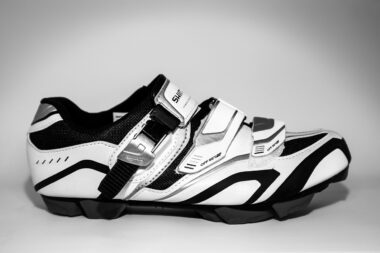
The importance of ventilation in high-performance cycling shoes cannot be overstated. Proper airflow helps regulate temperature, ensuring that the feet remain dry and comfortable during intense rides. When feet become hot and sweaty, it can lead to discomfort and even blisters, which can significantly hinder performance. High-quality cycling shoes are specifically designed with ventilation features, typically through mesh panels or perforated materials. This allows heat and moisture to escape while providing a lightweight feel. Cyclists often choose shoes based on individual needs, such as climate, duration of rides, and personal comfort. For example, a shoe with excellent ventilation could be the ideal choice for summer races, whereas other models may prioritize insulation for colder conditions. Overall, the right type of ventilation in cycling shoes can lead to improved performance, comfort, and enjoyment during long rides. Cyclists should carefully consider the level of ventilation in their shoes, as it significantly impacts their cycling experience. Investing in quality cycling shoes with appropriate ventilation will pay dividends for avid cyclists, allowing them to push their limits effectively.
In addition to temperature regulation, ventilation in cycling shoes also aids in moisture management. When feet sweat, moisture can quickly build up inside the shoe, creating an environment conducive to bacteria and odor. In high-performance cycling contexts, this situation can be detrimental not just to comfort, but also to foot health. Cycling shoes equipped with good ventilation systems allow excess moisture to dissipate, keeping the feet drier. By incorporating breathable materials into the design, manufacturers can enhance the overall longevity of the shoe and maintain hygiene standards. For instance, some brands use antimicrobial treatments to further combat odor-causing bacteria, combined with strategically placed perforations to maximize breathability. Riders often report feeling fresher and more focused when their footwear facilitates proper airflow. Consequently, many cyclists prioritize shoes that promote ventilation in their buying decisions, understanding that a healthy foot environment contributes to improved overall performance. Whether it’s a casual rider or a competitive racer, the significance of ventilation is crucial. Therefore, researching the ventilation technologies used in cycling shoes can help cyclists make informed choices.
Understanding Different Ventilation Technologies
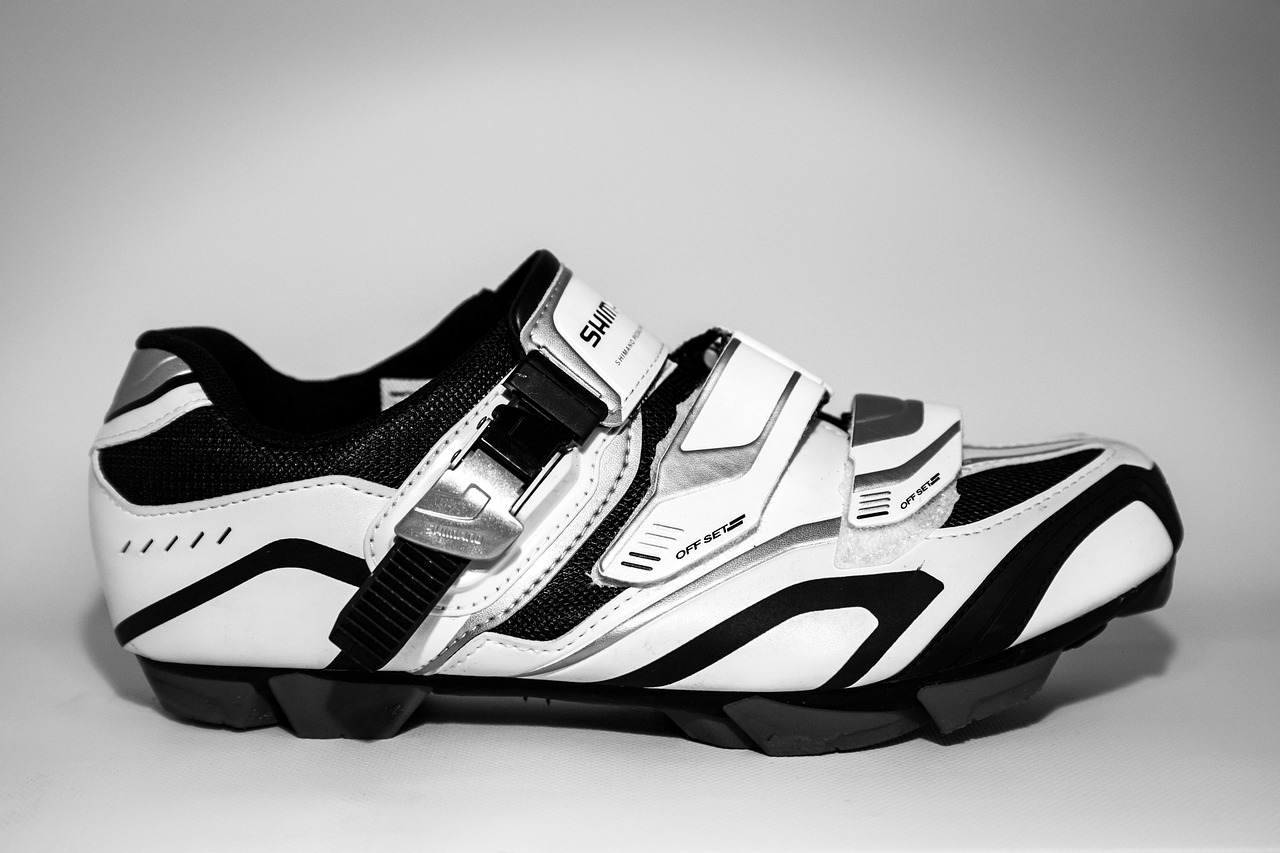
Various technologies and materials are employed to enhance the ventilation of cycling shoes. Mesh fabrics are among the most common choices. These lightweight materials provide excellent airflow and are often found in shoes designed for hot weather conditions. Additionally, some cycling shoes feature specialized ventilation systems that may include strategically placed vents. These vents permit air to circulate in critical areas, allowing cooler air to enter while letting warm air escape. Another innovative technology involves using breathable synthetic leathers that maintain structure while providing sufficient airflow, making them ideal for performance-oriented cyclists. Many brands invest heavily in research to identify the optimal balance between stiffness and flexibility in conjunction with airflow. High-profile collaborations with materials science experts result in ongoing innovations for ventilating cycling shoes. Cyclists should consider trying on various shoe types and styles to see which combination of materials and technologies best suits their needs. Exploring different brands can reveal options that fit all requirements, from casual rides to intense training sessions, while ensuring a great experience.
Fit is another vital factor that intertwines with ventilation in cycling shoes. A well-fitted shoe maximizes the effects of ventilation by allowing air to circulate more freely. Shoes that are too tight can inhibit airflow, leading to overheating and discomfort. Brands often offer different width options and adjustable components to accommodate various foot shapes. As cyclists search for shoes that provide both great ventilation and an excellent fit, they should remember to try on multiple styles. The right fit collaborates with good ventilation to improve biking efficiency significantly. In turn, this combination can lead to enhanced performance on climbs or long-distance rides, where maintaining energy levels is crucial. Additionally, using custom insoles or arch supports can affect how ventilation performs, further impacting comfort on long rides. Many cyclists find it beneficial to seek advice from professional fittings to ensure a superb fit with proper airflow. Ultimately, taking the time to find a cycling shoe with the right fit and ventilation will contribute positively to tackling challenging rides with endurance.
Seasonal Considerations for Ventilation
Seasonal changes demand different considerations for cycling shoe ventilation. During summer months, enhanced airflow is particularly critical due to increased temperatures. Cyclists often prefer shoes with maximum ventilation features, such as open mesh constructions or large breathable openings, to combat heat stress. On the other hand, during colder months, balance is vital, as excessive ventilation might lead to chilled feet. In these situations, cyclists typically opt for shoes with insulation properties combined with limited ventilation. This allows for adequate airflow without compromising warmth. Weatherproof materials that repel water while retaining breathability have gained popularity. These features ensure that moisture from rain or wet roads does not overwhelm the shoe while still providing necessary airflow. Cyclists must assess their local climate when selecting shoes, keeping in mind their planned usage. Those who cycle year-round should consider hybrid options that look great in both cooler and warmer seasons. Adapting shoe choice to seasons enhances comfort and performance, making it essential for cyclists to remain aware of how climate influences ventilation needs.
Another crucial aspect influenced by ventilation is cycling shoe weight. Lightweight cycling shoes often provide better ventilation due to the use of advanced materials and construction techniques that prioritize breathability. Unnecessary weight can lead to fatigue during long rides, so many top-tier cycling shoe models focus on a balance between being lightweight and providing adequate ventilation. Riders experience better air circulation without feeling weighed down, promoting enhanced performance. Shoes that use thin, breathable fabrics can successfully manage weight while keeping feet cool and dry during extended workouts. Sometimes, riders may sacrifice features to save on weight, but it is essential to balance this with the foot’s comfort and support. Cyclists who prioritize weight in their shoe choice will deserve plenty of attention to the materials used and the overall construction. Investing in high-performance shoes designed with minimalism and ventilation in mind often pays off in terms of increased comfort during long journeys on the bike. Therefore, researching and testing various lightweight models can reveal ideal choices for any cycling enthusiast.
Conclusion: The Impact of Ventilation on Cycling Experience
In conclusion, the role of ventilation in high-performance cycling shoes profoundly affects the overall cycling experience. Effective ventilation systems contribute to temperature regulation, moisture management, weight reduction, and enhanced fit, enabling cyclists to perform at their best. Cyclists should explore different technologies, materials, and designs to find the best ventilation suited to their needs. Considering factors such as seasonal variations, personal fit, and intended use can lead to more informed decisions. Every cycling enthusiast must be aware that cold feet or overheating from poor ventilation can significantly diminish performance and enjoyment during rides. As cyclists invest in shoes that prioritize both airflow and comfort, they will likely notice substantial improvements in overall performance. Ultimately, the right cycling shoe can lead to increased joy and satisfaction while pursuing their passion for cycling. Combining this knowledge with proper shoe selection empowers cyclists to enjoy their rides to the fullest. Ultimately, the dedication to finding the best ventilated shoes will translate into enhanced experiences on two wheels, encouraging cyclists to explore new trails and push their limits with confidence.
In summary, ensuring optimal ventilation in the selection of cycling shoes leads to better endurance and performance. Those who prioritize comfort and airflow will be better equipped to tackle the challenges of long-distance cycling. With the right shoes, cyclists can focus more on their riding, pushing towards new limits and enjoying the process. Making informed choices based on ventilation characteristics not only enhances the riding experience but also contributes to overall foot health.