
Exercises to Complement an Ergonomic Office Setup
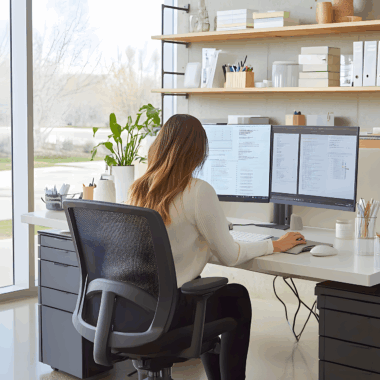
Creating an ergonomically sound office setup is essential for maintaining comfort and productivity. However, merely setting up your workspace alone isn’t sufficient. It’s vital to incorporate exercises that align with your ergonomic configuration. Exercises can help alleviate discomfort, improve posture, and maintain overall well-being. A simple morning routine focusing on stretches can prepare your body for the long hours ahead. Incorporate neck and shoulder stretches to relieve tension. Additionally, integrating movement breaks into your day ensures that blood circulation remains optimal. Stand up every hour to promote mobility and refresh your focus. Seated exercises can be performed using your office chair to strengthen muscles supporting your spine. Remember, consistency is key. Simple stretches can also improve flexibility, essential for those who sit for extended periods. Overall, exercises, when combined with appropriate equipment like chairs and desks, can significantly enhance your workspace comfort. Aim to incorporate at least 10 minutes of exercise into each workday. In your ergonomic setup, these activities will support longevity in comfort and productivity.
One beneficial set of exercises is a simple routine focusing on stretches designed for office workers. Begin by taking a deep breath, raising your arms overhead, and focusing on your posture to align your spine. Hold this position for about 15 seconds, feeling the stretch along your back and sides. Next, gently tilt your head towards one shoulder, holding for 10 seconds, and then switch to the other side. This neck stretch alleviates strain caused by prolonged screen time. Following this, try a seated twist while sitting in your chair. Twist gently to one side, using your chair for support. Hold for 15 seconds and repeat on the other side to enhance flexibility in your spine. Also, consider wrist and finger stretches, as they help prevent repetitive strain injuries common in office work. Extend your arm, palm facing up, and gently pull back on your fingertips with your other hand. These exercises improve blood circulation and combat stiffness, ensuring that you remain energized throughout the day. Dedicate a few minutes before lunch and before ending your workday to further enhance your routine.
Enhancing Core Strength
Another essential component of an ergonomic office setup is enhancing your core strength. A strong core supports the spine and improves balance, reducing the risk of back pain. Engage in exercises like seated leg raises and chair dips, which can be performed without leaving your workspace. For seated leg raises, sit at the edge of your chair and extend one leg out straight, holding this position for a few seconds before alternating to the other leg. Gradually increase the duration as your strength improves. Additionally, chair dips are effective for strengthening the triceps and shoulders, which are vital for maintaining an upright posture. To perform chair dips, place your hands on the edge of your chair and slowly lower your body by bending your arms. This exercise can also promote better circulation and reduce fatigue. Incorporating these core strength exercises into your daily routine can significantly enhance your posture during work. These efforts combined can create a robust foundation to support your body while working long hours at a desk, ultimately leading to better performance and health.
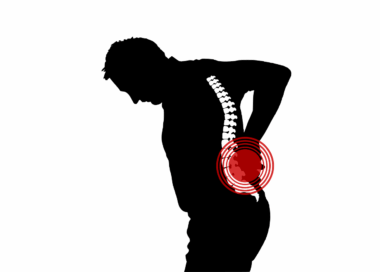
Stretching your hip flexors is another excellent exercise that can benefit individuals with an ergonomic office setup. Hip flexors become tight from prolonged sitting, potentially leading to lower back discomfort. A simple lunge stretch can help counteract this soreness. Start by standing and stepping one foot forward into a lunge position, ensuring that the knee of your front leg is directly above the ankle. Lean into the stretch while keeping your back leg straight, feeling the opening in your hip flexor area. Hold for 20 seconds before switching legs. Repeat this stretch a few times throughout your workday. Additionally, try seated cross-leg stretches in your chair, which help in enhancing hip flexibility. Such stretches can relieve discomfort from sitting and can also promote a better range of movement, particularly when transitioning from seated to standing positions. Use the time away from your computer screen to enhance flexibility in your hips, glutes, and lower back. This routine reduces tension and can lead to a more comfortable office experience, allowing you to maintain focus without distraction caused by discomfort.
Mindfulness and Breathing Exercises
Incorporating mindfulness and breathing exercises into your workday can significantly enhance your ergonomic experience. Stress, often caused by long hours in front of screens, can lead to physical tension and mental fatigue. To counter these effects, dedicating time for deep breathing exercises is beneficial. Start with a simple technique: sit comfortably in your chair, close your eyes, and take deep breaths through your nose, filling your lungs completely. Hold for a few seconds before exhaling slowly through your mouth. Repeat this cycle for a few minutes, focusing on relaxation. Practicing deep breathing for even just five minutes can center your mind and alleviate anxiety. Further, consider mindfulness meditation during your breaks. Find a quiet spot, close your eyes, and visualize a calm, serene place. This practice nurtures overall mental well-being, helping to prevent feelings of burnout. These mindfulness techniques not only enhance your psychological health but also improve your body’s physical response to stress. Utilize these approaches within your ergonomic setup for a holistic approach to health and productivity in your workspace.
In addition to physical exercises, it is crucial to stay hydrated throughout your workday. Dehydration can lead to fatigue, decreased concentration, and physical discomfort, which might counteract your ergonomic efforts. Keep a water bottle at your desk as a constant reminder to sip regularly. Aim for at least eight glasses of water daily, adjusting as necessary based on your personal needs. Drinking water periodically can foster better productivity, improved cognitive function, and even enhanced mood. Be mindful of your fluid intake during breaks; consider herbal teas or infusions alongside plain water for variety. Moreover, take this time to stand, stretch, and move while enjoying your drink. Encouraging micro-breaks not only supports hydration but allows your muscles to reset from prolonged periods of tension. Integrating hydration reminders into your workspace can bolster your overall health while supporting your ergonomic regime. Proper hydration is as essential as physical exercises to complement your ergonomic office setup. Therefore, make it part of your routine. Aim to drink a glass of water before each major task or meeting during the day.
Finally, it is essential to maintain a balanced mindset about your ergonomic setup and the exercises associated with it. It’s easy to fall into patterns of neglecting self-care while focusing on work tasks. Therefore, regularly reassess your routine and make necessary adjustments to both your workspace and exercises. Actively listen to your body, recognizing when discomfort arises. This self-awareness can help you take proactive steps regarding your physical health. Additionally, setting realistic goals for your exercise regimen will encourage consistency. Consider using fitness apps or reminders to keep you accountable. Engaging in regular check-ins can also facilitate discussions with colleagues about their ergonomic practices. Share your experiences and learn from others, creating a community geared towards better ergonomic practices. The encouragement from others can boost your motivation to adhere to healthy habits. Remember, the ultimate goal is to foster a healthier, more productive work environment. Taking the time to evaluate and improve your ergonomic setup, alongside effective exercises, sets a strong foundation for both immediate relief and long-term well-being.
This comprehensive approach encompasses physical improvement through exercises and psychological wellness through mindfulness. By committing to these practices, you’re not only enhancing your ergonomic setup, but also promoting a positive workspace culture. Share what you’ve learned with your team, as collaboration fosters unity in addressing workplace health. By raising awareness about the importance of exercises in an ergonomic framework, you create an atmosphere that values employee well-being. Always strive to cultivate a work environment that embraces principles of health and ergonomics. Being proactive in discussions about posture, exercises, and workspace improvements can lead to benefits both personally and organizationally. Regularly reassess your approaches to maintain the best ergonomic practices suited for your needs. Whether communicating within your team or personally adjusting your daily routine, every step forwards counts. Ultimately, remember that good ergonomics combined with exercise leads to sustainable productivity and happiness in work settings. Stay informed about the latest ergonomic research to continuously improve your office environment. Embrace these changes over time for optimal sustainability. The journey toward a healthier work environment begins with you and the changes you decide to implement.