
Using Stability Balls for Core Strength and Back Support
Stability balls, also known as exercise balls or Swiss balls, serve as multifunctional tools for improving core strength and preventing back pain. Engaging your core muscles while maintaining balance on a stability ball can help alleviate pressure on the spine, promoting better posture and reducing discomfort. Regularly introducing stability ball exercises into your fitness regimen can enhance overall muscle tone and stability, leading to increased performance in various physical activities. To start, choose a stability ball that is the correct size for your height. When seated on the ball, your knees should be parallel to the ground, ensuring proper alignment and reducing strain on your back. Incorporate activities such as sitting, bouncing, or performing small movements on the ball to activate your core muscles. Additionally, stability balls can be used for traditional strength training exercises, providing an unstable surface that challenges your balance. This can lead to improved functional strength and body awareness, essential for overall health and fitness. Exercise variations that include pressing, squeezing, or rolling with the ball can further engage your muscles, delivering a comprehensive workout for back support and core development.
One of the simplest exercises you can perform on a stability ball is sitting upright while maintaining proper posture. Simply balance on the ball with your feet flat on the floor, keeping your shoulders back and your chin up. This position not only strengthens your core but also trains your body to maintain an upright posture during daily activities. As you become more comfortable, incorporate gentle movements such as shifting your weight from side to side or rolling slightly forward and backward. A progression from this basic position includes performing traditional exercises like crunches or push-ups with your hands on the ball. For crunches, lie back on the ball, allowing your lower back to rest against it while keeping your feet firmly planted on the ground. Engage your core as you lift your upper body towards your knees, then slowly lower back down. Similarly, during push-ups, place your hands on the ball with your feet on the floor, performing the exercise while challenging your stability. These movements effectively target your abdominal muscles and back while maximizing the benefits of stability ball training.
Benefits of Core Strengthening Exercises
Incorporating core strengthening exercises with stability balls not only improves your balance and posture but also enhances functional fitness. A strong core plays a crucial role in daily movements, helping to prevent injuries, particularly in the lower back region. Individuals may experience less discomfort and tension when their core muscles are properly developed, as they provide essential support to the spine and pelvis. Moreover, stability balls promote a greater range of motion in various exercises, leading to increased flexibility and muscle engagement. Using a stability ball can also improve athletic performance, as core stability is vital for nearly all sports and physical activities. Athletes who have a strong core can generate more power in their movements and improve their overall agility. Furthermore, core workouts can stimulate various muscle groups simultaneously, enhancing efficiency and maximizing results in shorter workout sessions. This is particularly beneficial for those with limited time to dedicate to fitness. Lastly, incorporating stability balls into your routine can add variety and fun, keeping your workouts engaging and encouraging consistency over time.
Another benefit of using a stability ball lies in its versatility, enabling you to explore numerous exercises for different muscle groups. Whether targeting your abdominal muscles, lower back, or even arms and legs, a stability ball can be your primary training tool. For example, performing leg lifts while resting your upper body on the ball engages your core while simultaneously working your leg muscles. Additionally, you can engage in exercises such as wall squats with a stability ball. By positioning the ball between your back and the wall, you can practice squatting while enjoying the support provided by the ball. This reduces strain on your knees and encourages proper form. Similarly, you can try balancing exercises that further challenge your stability and core engagement. As you advance, consider utilizing stability balls in combination with resistance bands or weights, amplifying the challenge and boosting your overall strength. Mixing stability ball exercises into your regular routine can invigorate your workout plan while promoting an overall healthier lifestyle.
Prevention of Back Pain
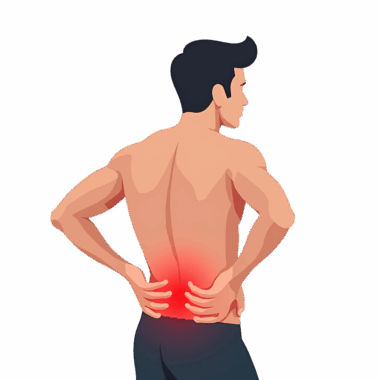
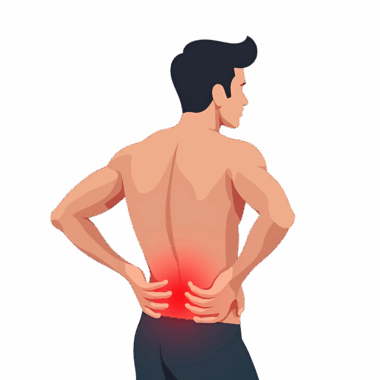
Using stability balls can dramatically improve spinal health by strengthening the muscles that surround and support your back. A stronger core can absorb impact and reduce stress on your spine during daily activities, which is essential for preventing back pain. One effective way to leverage the ball for back pain prevention is through stretching exercises that enhance spinal flexibility. Engaging in gentle, controlled movements such as rolling your back over the ball can effectively stretch the spine and surrounding muscles, providing relief and promoting relaxation. Regular stretching decreases muscle tension and improves blood circulation, as a more flexible spine can properly distribute stress and pressure. As part of a comprehensive exercise plan, stability ball use should be combined with other forms of exercise, such as walking or swimming, to promote an all-around healthier lifestyle. It’s also essential to consult a fitness professional or healthcare provider before beginning any new exercise program, especially if you experience chronic back pain. They can provide personalized advice based on your specific needs and conditions to ensure safe and effective exercise.
Your commitment to maintaining a healthy core through stability ball training can pay off exponentially in your quest to prevent back pain. Establishing a regular exercise routine that includes stability ball workouts can help build resilience against potential back problems. Remember that gradual progression is necessary to avoid overstressing your muscles, so start with simple exercises and gradually increase the intensity as your strength develops. You may also incorporate balance training routines that use the stability ball to improve your coordination, crucial for maintaining an active lifestyle. Additionally, once you build sufficient core stability, challenge yourself with advanced exercises. Incorporate plyometric movements or balance challenges to keep your workouts exciting and evolving. Ultimately, the goal is to create a fitness practice that encourages back health while also making core strengthening an enjoyable endeavor. Setting realistic short-term and long-term fitness goals will help you remain motivated in your journey toward achieving optimal core strength, balance, and back support. Regular tracking of your progress can assist in maintaining focus, consistency, and personal accountability.
Conclusion
In summary, stability balls are incredibly useful tools for enhancing core strength and preventing back pain. Their unique design allows individuals to engage in various exercises that effectively target key muscles, leading to improved core stability, posture, and flexibility. Incorporating stability ball workouts into your exercise routine not only aids in back pain prevention but also enhances overall athleticism. As you explore the exercises mentioned, remember to keep an open mind and have fun while incorporating stability balls into your fitness journey. Working out should be a rewarding experience, and stability balls can provide the engagement and challenge necessary for that. Moreover, make sure to listen to your body and refrain from pushing through pain or discomfort. Understanding your limitations, respecting your progress, and incorporating professional guidance when needed will yield the best results. Lastly, stay curious and explore different stability ball exercises as you grow more confident, ensuring an ever-changing regimen that keeps you motivated and excited about your fitness journey. With commitment and consistency, you can successfully utilize stability balls to enhance your core strength and contribute to lasting back support.
It is essential to remember that core strengthening is a lifelong journey rather than a quick fix. Building a firm foundation from which you can work will serve you well in your overall fitness endeavors. As you incorporate stability balls into your routine, consider complimenting them with other activities such as yoga or Pilates. These practices emphasize core engagement and body awareness complementary to strength training. Furthermore, prioritize nutrition and hydration to support your body’s needs effectively. Fueling your body with the proper nutrients ensures that your muscles can recover, grow, and become stronger over time. Also, be patient with progress! Core strength and back pain prevention don’t happen overnight, but with dedication and persistence, they will come. Create a supportive environment for yourself by surrounding yourself with individuals who share similar fitness goals. Joining classes or online communities can provide valuable insights, motivation, and accountability as you progress on your journey. By fostering a consistent practice while incorporating the versatility of stability balls, you can achieve desired results for both your core strength and back support.