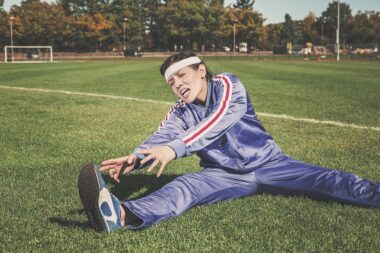

Cross-Training Athletic Drills for Seasonal Fitness Variation
In today’s fast-paced world, maintaining seasonal fitness variation through cross-training athletic drills is essential. Specifically, these exercises optimize performance, prevent injuries, and update skill sets, contributing significantly to overall health. A well-structured cross-training routine can enhance endurance, speed, and strength. Variety in workouts keeps the mind engaged, which prevents burnout and enhances sustainability. The increasing interest in cross-training stems from its numerous advantages that aid in achieving fitness goals. Athletes should consider incorporating activities such as swimming, cycling, or yoga into their training regimen. Each even serves to strengthen different muscle groups while providing a break from traditional routines. Athletes can further diversify their training by aligning their programs with seasonal activities like skiing or hiking. Incorporating changes to training environments or methods can yield surprising results. The mental and physical benefits of cross-training support both new and veteran athletes as they strive to improve performance levels, regardless of their respective sports. To fully reap the advantages of cross-training, seek guidance from professional trainers who can tailor these drills according to individual needs, goals, and fitness levels. By engaging in a diverse set of workouts, recovery becomes smoother and more effective.
This paragraph highlights the importance of setting fitness goals when implementing new drills. Setting clear, achievable fitness goals is paramount to success in cross-training routines. It helps individual athletes to maintain better focus and motivation throughout a seasonal training regime. One effective approach could include defining short-term and long-term goals tailored to fit individual athletic disciplines. For instance, enhancing endurance might involve progressively increasing distance in running drills while implementing recovery techniques. Similarly, strength training might focus on improving overall power output through resistance exercises. Utilizing SMART criteria—Specific, Measurable, Achievable, Relevant, and Time-bound—provides structure for developing personal goals. Proper documentation of progress allows for adjustments in methodology while hindering plateauing from occurring. Sharing goals with training partners can foster mutual accountability which is highly motivating. Moreover, when paired with seasonal variations, such structured objectives can ensure athletes remain adaptable to changing conditions and demands in their respective sports. By setting and revisiting fitness goals routinely, athletes can continuously challenge and push themselves towards improvement while remaining engaged in their athletic journey.
Incorporating Variety in Training Drills
Incorporating variety into athletic training drills serves to enhance skill sets and stave off monotony. Following a set routine can lead to mental fatigue and decreased performance over time. Therefore, varying exercises helps in addressing different physical attributes, including strength, agility, and endurance. Athletes can enjoy a diversified training experience that challenges their bodies differently. Try mixing various types of workouts, such as interval training, plyometrics, or balance exercises, into your training schedule. Interval training, for instance, consists of alternating bursts of high-intensity exercise followed by recovery periods. This method has shown remarkable results in improving overall cardiovascular health and boosting metabolic rates. Similarly, plyometric drills focus on explosive movements that build power and strength. Incorporating balance exercises helps in developing stability, which is crucial for sports that involve quick changes in direction. Ultimately, maintaining a versatile training approach is key to long-term success in athletics. By constantly introducing new elements to practice sessions, athletes can discover hidden strengths while enjoying their journey toward fitness goals, resulting in a stronger and more resilient physique.
Moreover, enhancing overall athletic performance greatly benefits from proper technique in cross-training drills. Focusing on correct mechanics reduces the risk of injury while maximizing the effectiveness of workouts. This aspect should be prioritized during all training sessions, regardless of the skill level of participants. Athletes are encouraged to seek guidance from coaches or professionals when learning complex movements to ensure they are performed correctly. Form drills emphasize maintaining correct posture, weight distribution, and movement tempo. Engaging in these specialized exercises helps athletes to establish proper body awareness during training. Incorporating technology such as video analysis can further enhance learning around technique, allowing for visual feedback and corrections. An example of this includes reviewing recorded training footage to identify areas that may need improvement. High-performance athletes consistently review their techniques to maintain peak physical ability and fine-tune their skills. Focusing on fundamental principles during drills can lead to a stronger foundation for complex movements. When athletes prioritize technique, their overall athletic performance experiences marked improvement as they adapt sustainably over time.
Seasonal Adjustments in Training
Understanding seasonal adjustments in training can create substantial benefits for athletes. As seasons change, so do training conditions, demands, and available resources, all of which play a vital role in developing consistent athletic performance. Adapting workouts to align with specific seasonal conditions can help maximize effectiveness. For example, during warmer months, outdoor activities become more accessible, allowing athletes to capitalize on natural terrains. Conversely, winter may call for indoor training with equipment aimed at maintaining performance levels until outdoor conditions improve. Variety is crucial, as well, and playing different sports according to the season allows diversified skill development and keeps motivation high. Athletes also need to monitor how environmental changes affect energy levels, which can directly impact performance. Ample hydration and attention to nutrition should be observed during hotter days, while warming up correctly in colder temperatures becomes essential. Timely evaluations and adjustments to training schedules ensure athletes can continue progressing effectively while avoiding training burnout. Seasonal awareness additionally markets improvements in mental resilience, which ultimately solves challenges faced during changing training climates, thereby facilitating consistent athletic performance.
Integrating recovery techniques alongside cross-training drills is paramount for holistic athletic development. A comprehensive approach includes balancing rigorous training with adequate recovery, optimizing gains while reducing risk factors associated with fatigue and potential injuries. Various recovery methods are available, such as foam rolling, stretching, and massage, enabling athletes to rejuvenate their muscles. Additionally, athletes shouldn’t underestimate the importance of rest days, as they offer valuable time for the body to repair and regain energy. Implementing active recovery sessions involving light exercises such as walking or swimming can further facilitate recovery while keeping the body engaged. Proper hydration and nutrition play integral roles in athlete recovery, ensuring that muscles receive essential nutrients, energy and fluids to promote effective healing. The inclusion of yoga or mindfulness exercises into the recovery routine helps tap into mental well-being. Developing a holistic approach to recovery fosters resilience and aids athletes in reaching their fitness goals effectively. By emphasizing recovery techniques during training periods, athletes enhance performance and longevity, minimizing the accumulation of fatigue associated with rigorous training.
Evaluating Performance Metrics
Finally, evaluating performance metrics plays an essential role in monitoring athletes’ progress throughout cross-training. Regular assessment promotes accountability and helps athletes stay aligned with their fitness objectives. Many performance metrics can be tracked, such as speed, strength, endurance, and flexibility. Documenting these metrics through tools like fitness apps, journals, or training platforms delivers objective insights regarding ongoing improvements. Additionally, making performance analyses helps pinpoint areas requiring further focus which may prevent future plateaus. A well-rounded understanding of performance metrics enables athlete self-awareness, boosting durability against challenges. Setting clear benchmarks allows for effective comparisons over time, encouraging progression within the training process. Moreover, periodic assessments serve as motivation by celebrating personal achievements, no matter how small. These incremental improvements create a sense of accomplishment in athletes, fostering motivation to persevere and strive for greater heights. Furthermore, collaborative training with peers or coaches strengthens camaraderie as athletes celebrate and share successes. By evaluating performance metrics consistently, athletes can tailor their training strategies sufficiently and effectively reach their seasonal fitness goals, making the most out of their cross-training experience.
This is another paragraph with exactly 190 words…