
Family Fitness Events: Planning Activities That Involve Everyone
Organizing family fitness events can promote healthy habits and strengthen relationships. Engaging in activities together fosters teamwork and encourages kids to enjoy physical fitness. Planning such events involves recognizing the interests of each family member, thus ensuring everyone feels included and motivated. Parents should start by discussing various options, such as organized fun runs, local charity walks, or even outdoor sports competitions. These activities can help instill a sense of community and enhance social connections. Moreover, participation in fitness events teaches children the importance of setting goals. When families work toward a common objective, they develop unity and determination, resulting in a more active lifestyle. By scheduling events regularly, families create a routine that prioritizes fitness. Planning events in appealing locations, such as parks, beaches, or community centers, can maximize enjoyment and participation. Parents can also introduce friendly competition to stimulate enthusiasm, challenging each other to achieve personal bests. It’s essential to incorporate rest periods and hydration to ensure everyone’s well-being. Ultimately, family fitness events create lasting memories while promoting a balanced, health-conscious lifestyle for all members.
After choosing the right activities, consider involving the kids in the planning process. Letting children contribute ideas instills ownership and accountability regarding their health and fitness. Whether they want to participate in a family hike, volleyball game, or even cycling around the neighborhood, children are more likely to engage in activities they helped select. Encouraging their input breeds excitement for the upcoming events and motivates them to keep active. Another important aspect to involve is the flexibility of event scheduling. Try to arrange events that accommodate various schedules while ensuring every family member can participate. Weekend activities may be ideal since most families have time off, yet consider commuting distances and travel time. Parents should also be prepared to engage with other interested families. Forming groups to celebrate fitness not only enhances the fun but encourages children to meet new friends. This will teach them essential social skills and further promote the importance of an active lifestyle. Keep in mind that planning excludes only physical activity; family bonding, communication, and problem-solving skills also improve during these shared experiences.
Promoting Healthy Competition
Incorporating elements of friendly competition can add an extra layer of excitement to family fitness events. Setting up team challenges, such as relay races or obstacle courses, often brings about laughter and enjoyment. Even families can form teams to compete against each other in fun sports like soccer or basketball. Establishing small prizes and rewards for achievement can inspire children to perform at their best while encouraging them to support one another. When children see their parents participating and having fun, they are likely to follow suit and engage fully in the activities. It fosters a spirit of camaraderie and motivates team members to push their limits for better performance. Celebrating accomplishments, regardless of the finishing order, emphasizes the value of personal improvement over winning. This approach will also instill valuable lessons about fair play and resilience in children. Moreover, tracking progress encourages families to recognize their achievements over time. Use fitness apps or traditional scoreboards to display accomplishments, making fitness both rewarding and visibly enjoyable. Ultimately, creating a supportive environment for healthy competition can translate into lifelong positive attitudes towards fitness and wellness.
Hosting family fitness events also means creating a safe and enjoyable environment for all participants. Ensure that you choose venues with appropriate facilities, such as restrooms and shaded areas, to enhance comfort. Conduct a thorough check of the area to identify possible hazards that could compromise safety. Additionally, communicate relevant information regarding the activities and potential risks of injury, including the importance of wearing proper footwear and safety gear. Encourage involvement in warm-up routines before starting any strenuous activities to prepare their bodies and prevent injuries. Moreover, establishing a first aid kit is advisable for injuries and other health-related emergencies. Family members should know its location and understand how to access it if necessary. Keeping hydration at the forefront is critical—ensure access to waterstations throughout the event. Visit local parks or venues where refillable water stations might exist or suggest families bring refillable water bottles. Preparing healthy snacks after the events can foster discussions about nutrition while rewarding everyone, particularly kids, for their efforts. Overall, maintaining a safe environment allows families to enjoy fitness activities without discouragement or unnecessary incidents, promoting more significant participation in future events.
Incorporating Wellness and Nutrition
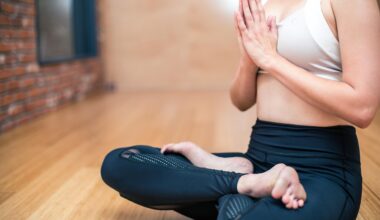
Family fitness events should not only focus on physical activity but also incorporate elements of wellness and nutrition. Providing educational sessions about healthy eating habits in conjunction with the activities can empower everyone in the family to make better food choices. Encouraging participation in meal planning, preparing healthy snacks, and even cooking meals together can elevate the family experience. It instills a sense of cooperation and teamwork. Suggest engaging kids in choosing nutritious ingredients at the grocery store or local markets, fostering enthusiasm for healthy foods. Additionally, discussing portions, meal timing, and the benefits of various food groups deepens their understanding of nutrition. Organize fun events that emphasize cooking, like family cook-offs or healthy recipe exchanges. Include nutritious food tastings to motivate families to try out new items, ensuring a broader perspective on eating. Integrate mindfulness practices like yoga or meditation into fitness events, enriching family bonding, and emotional well-being. Families gain necessary tools through these combined approaches, recognizing the connection between physical fitness, nutrition, and mental health. In the long run, they contribute to promoting lifelong wellness as a family tradition.
Documenting these family fitness events can create a treasure trove of memories and serve as a motivational tool for everyone involved. Use photos and videos during activities to capture candid moments that express joy and determination. Afterward, compile these materials into a creative scrapbook or digital album. This keepsake will showcase the unique experiences each family member contributed to. Sharing these documents with extended family and friends can inspire others to join similar activities. Posting highlights on social media, particularly with dedicated event hashtags, can garner wider interest and motivate others to partake in healthy family events. Furthermore, creating an annual fitness calendar offers a structured approach to documenting events, allowing for consistent reflection on achievements and growth. Celebrate family milestones, such as completing a charity run or achieving personal fitness goals, during these events to solidify progress. Using these celebrations as markers of success fosters a supportive atmosphere for continued growth. Ultimately, recognizing and documenting progress can yield a lasting impact on family fitness culture and encourage healthier lifestyles among family members.
Making Family Fitness Fun
The ultimate goal of family fitness events is to create an enjoyable experience for everyone involved. When fitness becomes an engaging part of lifestyle, it encourages consistency and promotes healthy habits that last a lifetime. To keep things lively, be creative by introducing various themes revolving around fitness events, like a nature scavenger hunt or a family sports day. Additionally, involving local community resources such as fitness instructors or nutritionists can help facilitate events, ensuring everyone learns something new. Incorporating elements that reflect each family member’s personality and interest makes these outings special. Consider incorporating games like “capture the flag” or “tag” which can become fitness-centered while ensuring everyone remains engaged. Make it a relaxed atmosphere, emphasizing fun and playfulness rather than strict competition or pressure to excel. Engage in activities that also allow for conversation and connection, encouraging family members to bond and communicate openly. Remember to evaluate and adapt activities to accommodate different ages and fitness levels. The key is to create a positive environment where physical activity becomes synonymous with enjoyment, paving the way for a lifetime commitment to family fitness.
In conclusion, family fitness events play a vital role in nurturing a culture of health and well-being while fostering strong family bonds. The key lies in thoughtful planning, inclusivity, education around nutrition, and creating enjoyable experiences that invite participation from all ages. Encourage communication among family members and involve every participant in choosing activities, building ownership and excitement. The incorporation of friendly competition can increase engagement and facilitate valuable lessons about teamwork and resilience. Keeping the environment safe and accommodating ensures comfort, promoting ongoing family participation. Additionally, integrating wellness discussions while documenting memories enriches the experience and motivates everyone. By approaching fitness through a lens of enjoyment, families will develop healthier habits while creating lifelong positive associations with physical activity. When a family collectively embraces fitness, the values of health, cooperation, and gratitude become intertwined, setting a foundation for good health across generations. Invest time and energy into these events; the rewards gained from family fitness experiences last a lifetime, ultimately shaping future generations and their views on health and togetherness.