
Anatomical Benefits of Pranayama on Lung Function
Pranayama is an ancient practice that focuses on breath control, which is critical for enhancing lung function. By regulating the breath, individuals can improve their pulmonary function and overall respiratory health. A regular pranayama practice strengthens the diaphragm, increases lung capacity, and enhances oxygen saturation in the blood. This technique also aids in reducing stress and anxiety, leading to better overall wellness. Among the various pranayama techniques, such as Ujjayi, Nadi Shodhana, and Kapalabhati, each has unique benefits that directly impact lung health. Studies suggest that these breathing exercises can significantly improve lung mechanics, allowing for deeper and more effective breaths. As the breath becomes controlled, the body’s oxygen uptake enhances, leading to greater energy levels and improved focus. Additionally, pranayama increases the resilience of lung tissue, which is vital for preventing various respiratory diseases. This practice not only optimizes lung function but also supports emotional health by increasing mindfulness. Practicing pranayama regularly can lead to transformative health benefits, making it a valuable component of a holistic approach to wellness and vitality.
In the realm of yoga, pranayama plays a significant role in enhancing lung function. This distinct breathing technique encourages an increased awareness of the breath while promoting relaxation and mental clarity. The anatomical benefits of consistent pranayama practice are manifold, leading to more effective gas exchange during respiration. This is achieved through expanding the thoracic cavity and improving lung ventilation. Furthermore, pranayama supports improved circulation, allowing oxygen-rich blood to reach vital organs and tissues more effectively. Engaging in specific pranayama exercises can also help alleviate symptoms associated with chronic conditions such as asthma and bronchitis. The regulated breathing patterns help clear mucus build-up and open airways, thus facilitating smoother airflow. In addition to physical benefits, pranayama may also foster spiritual growth, enhancing the overall mind-body connection. This deepened self-awareness can lead to more profound introspection and relaxation. As individuals engage in the process of controlled breathing, they often experience significant emotional release, which may further support lung health. Thus, by incorporating pranayama into daily routines, practitioners can enhance their respiratory health and experience greater overall wellness.
The Respiratory System’s Anatomy
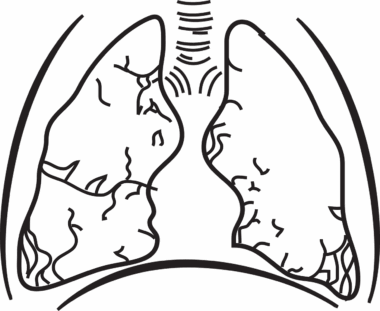
Understanding the anatomy of the respiratory system is essential in recognizing how pranayama affects lung function. The respiratory system comprises various structures, including the nasal cavity, trachea, bronchi, and lungs. These components work together to facilitate the exchange of gases, primarily oxygen and carbon dioxide, which is vital for sustaining life. The lungs are intricately designed with millions of alveoli that enable this gas exchange, making their health paramount. When practicing pranayama, the diaphragm, a critical muscle located beneath the lungs, becomes engaged effectively, promoting deeper inhalation and exhalation. This engagement of the diaphragm leads to increased lung capacity and improved airflow throughout the respiratory tract. In addition, proper posture during pranayama practice can further enhance lung function by allowing the lungs to expand fully. Educating oneself about the respiratory system’s anatomy plays a crucial role in appreciating the benefits of pranayama techniques. Each inhalation and exhalation becomes a valuable movement, promoting better health and vitality. Incorporating pranayama into one’s routine can provide shared understanding for developing stronger lungs and a healthier respiratory system. This awareness drives individuals toward more mindful breathing practices.
Another significant benefit of pranayama on lung function is its potential to enhance respiratory endurance. This is particularly important for individuals engaging in physical activities or sports involving cardiovascular exercise, where optimal lung function is vital. As practitioners regularly engage in pranayama exercises, they build greater lung capacity, which translates to improved oxygen uptake and delivery during physical exertion. This benefit not only aids athletic performance but also promotes better overall endurance and energy levels in everyday activities. Furthermore, pranayama techniques can assist in maintaining a healthy respiratory rate during emotional stress or physical exertion. By focusing on controlled breathing, the body can mitigate the impact of stress on respiratory health. Moreover, regular pranayama practice has been found to improve lung function scores amongst individuals recovering from respiratory illnesses or surgeries. This recovery involves easing coughing, improving mucus clearance, and assisting in the overall rehabilitation of lung tissue. The holistic approach that pranayama offers allows for a multi-faceted enhancement of health, enabling practitioners to experience the synergy between mind and body. Thus, adopting pranayama in daily routines nurtures and maintains essential lung health.
Scientific Research and Pranayama
Scientific studies have underscored the anatomical benefits of pranayama in improving lung function. Research shows that various pranayama techniques can lead to significant improvements in pulmonary function parameters. Among these parameters are forced vital capacity (FVC) and forced expiratory volume (FEV1), which are critical measures in assessing respiratory health. In controlled studies, participants who practiced pranayama consistently over extended periods exhibited marked increases in these parameters compared to control groups. Interestingly, data indicates that individuals with pre-existing respiratory conditions like asthma experienced reduced symptoms and improved asthma control following regular pranayama practice. Enhanced mental well-being is another correlated benefit, with studies highlighting reduced anxiety and stress levels amongst practitioners. By focusing the mind and practicing controlled breathing, participants often reported greater relaxation and a sense of calm. Additionally, pranayama has been explored as a complementary therapy for those undergoing pulmonary rehabilitation. In essence, the growing body of evidence supporting pranayama as a beneficial practice for lung function makes it an attractive option for individuals seeking to enhance their respiratory health. Integrating pranayama into one’s lifestyle can offer remarkable benefits for both physical and mental wellness.
The process of pranayama emphasizes the importance of mindful breathing. This awareness of breath elevates the practice from mechanical exercise to a profound interaction with one’s body. Practitioners learn to observe their breath patterns, facilitating a deeper understanding of their physical capabilities and limitations. Consequently, this heightened consciousness can lead to improved lung health, as individuals become attuned to their respiratory needs. Engaging the parasympathetic nervous system through deep and controlled breathing further promotes relaxation, reducing physiological stress responses that could adversely affect lung function. Regularly practicing pranayama cultivates a sense of emotional equilibrium, allowing for a holistic approach to mental well-being. This connection between breath and emotional states may reveal underlying patterns regarding one’s overall health. Many people experience transformative results through a simple focus on their breath. By developing this awareness, practitioners often report significant improvements in lung function over time. As they engage in this journey, they become empowered to take charge of their health. This innate wisdom regarding the connection between breath and life can lead to enhanced vitality, ensuring that health and wellness extend beyond physical borders, embracing emotional and mental aspects.
Implementing Pranayama into Daily Life
Incorporating pranayama practices into everyday routines can foster numerous anatomical and psychological benefits. Starting with short sessions focusing on breath awareness can help individuals connect with their lungs and overall breathing patterns. Gradually increasing the duration and complexity of pranayama exercises can enhance lung function over time. Practitioners can experiment with various techniques, such as alternate nostril breathing or diaphragmatic breathing, to find what works best for them. Additionally, utilizing pranayama as a warm-up before physical workouts can optimize lung capacity and promote deeper relaxation during exercise. Finding a suitable space for practice during daily activities is also important. Creating a calm atmosphere fosters mindfulness, allowing individuals to center their focus on the breath. Connecting with a community of like-minded individuals or joining a class can further enhance motivation and deepen learning experiences. By committing to a regular pranayama practice, individuals emphasize the significance of cultivating lung health, not just physically but holistically. This journey empowers practitioners to experience life with increased energy, enhanced lung function, and emotional well-being while transforming the overall quality of their lives. The effects of pranayama resonate within a well-rounded approach to health and wellness.
In conclusion, the anatomical benefits of pranayama on lung function are both expansive and profound. Through the exploration of breath and the implementation of various techniques, individuals can experience improved respiratory health, emotional balance, and physical vitality. Pranayama enhances lung capacity and function, while also promoting self-awareness and mindfulness. As a practice rooted in ancient wisdom, its relevance remains timeless, providing essential tools for contemporary health challenges. The physiological responses initiated by pranayama—greater oxygen uptake and reduced stress levels—highlight its significance in maintaining respiratory health. Furthermore, the scientific research substantiating its benefits provides a compelling rationale for incorporating pranayama into daily routines. The interplay between breath and emotional health intricately links the mind-body connection, enriching individual experiences and promoting overall wellness. Adopting pranayama strengthens lungs, fosters resilience, and nurtures emotional well-being, underscoring its role in holistic health. Individuals seeking improved lung function and overall vitality can benefit significantly from embracing pranayama as part of their wellness journey. Engaging with this powerful practice facilitates a harmonious balance between physical and emotional realms, leading to transformative health benefits over time.