
How Yoga Promotes Healthy Joint Anatomy and Function
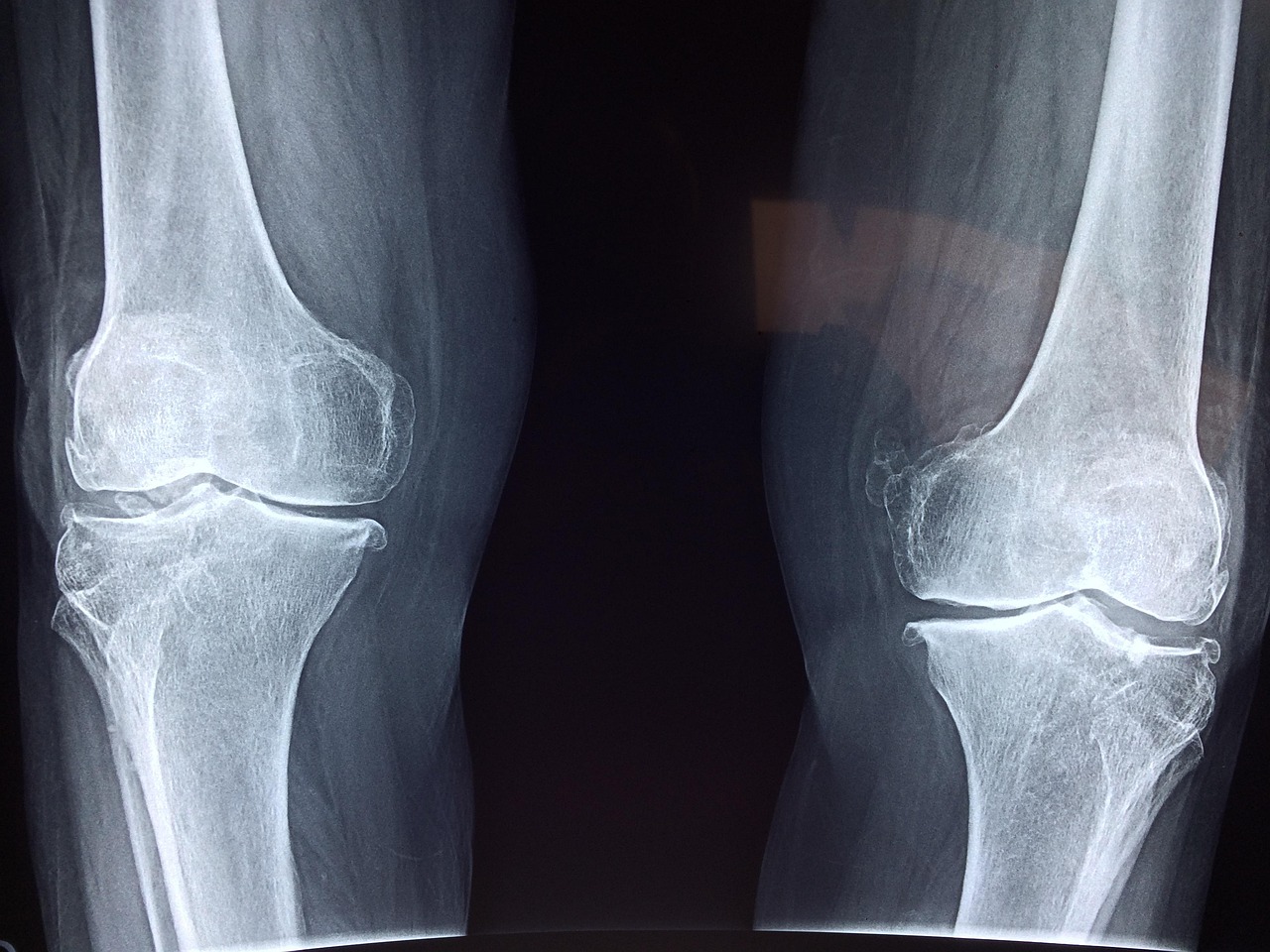
Understanding the anatomy of joints is crucial for maintaining overall health and wellness. The joints, which connect bones and facilitate movement, consist of various components including cartilage, synovial fluid, and ligaments. Proper functioning of these elements is essential for mobility and flexibility. Yoga plays a significant role in promoting joint health by enhancing flexibility, increasing strength, and improving balance. Regular practice can lead to better coordination, ensuring that joints function optimally. For instance, asanas like Downward Dog and Warrior II can help in stretching and strengthening the surrounding muscles. Importantly, yoga also emphasizes the breath, which can help alleviate tension in the body, promoting relaxation within the joints. Additionally, practicing yoga helps build awareness of one’s body and movement, encouraging a better understanding of how different movements impact joint health. With its holistic approach, yoga supports not just functional health of the joints but enhances overall body mechanics. This awareness fosters a more mindful practice, securing joints from injury by ensuring movements are performed correctly. Therefore, integrating yoga into your routine can significantly enrich joint anatomy and function, leading to a more active lifestyle.
The Role of Flexibility in Joint Health
Flexibility is essential for joint health, allowing for a full range of motion in the joints. Yoga is particularly effective in promoting flexibility. Many yoga poses specifically target muscle groups around the joints. For example, the seated forward bend stretches the hamstrings and lower back, enhancing flexibility in the legs and spine. Furthermore, poses like Cat-Cow stretch the spine through flexion and extension, thereby increasing flexibility in the spinal joints. Improving flexibility through yoga can alleviate tension in the muscles, which often contributes to joint pain. Tight muscles can limit the movement within the joints and lead to discomfort. Yoga teaches practitioners to approach flexibility gently and mindfully, resulting in gradual improvement over time. This kind of flexibility is not just physical; it also encourages psychological flexibility, which can enhance resilience against stress. By continuously incorporating yoga into a fitness regime, one can witness significant improvements in flexibility, which contributes to the overall health of joints. Additionally, greater flexibility can improve athletic performance and decrease the risk of injuries during physical activities, highlighting the importance of yoga in joint health.
Joint stability is another crucial aspect of joint health that yoga can effectively address. Specifically, yoga helps strengthen the muscles surrounding the joints, providing support and stability. For instance, postures like Tree Pose and Chair Pose engage the core, thigh, and hip muscles, thus creating a solid foundation for joint stability. Stronger muscles around the joints act as buffers against injury, absorbing impacts better and reducing wear and tear. Additionally, improving joint stability can enhance posture and balance, which are vital for overall health. Practicing yoga encourages the development of proprioception or body awareness, which is key when it comes to stability. Participants learn to control their movements and adapt to various postural cues, minimizing the risk of falls or strains. Furthermore, stability is not just physical; mental stability can arise through consistent yoga practice, aiding in stress management and emotional health. Thus, emphasizing joint stability directly correlates with enhanced joint function and overall physical performance. By cultivating strength and stability through yoga, individuals can enjoy a greater quality of life, free from pain and limitations generally caused by joint issues.
Injury Prevention through Yoga
Preventing injuries is an important aspect of maintaining joint health. Yoga significantly contributes to injury prevention by increasing awareness of body mechanics and alignment. Practicing yoga helps individuals understand their limits and know when to push or ease off during physical activity. Additionally, the focus on proper alignment in yoga minimizes strain on joints. Proper alignment ensures that the weight is distributed evenly across joints, which reduces the chances of overuse injuries. Furthermore, yoga encourages exploration and understanding of physical boundaries, which can foster respect for one’s own body. This respect translates to more mindful movements outside the yoga studio, whether running, lifting, or engaging in sports. Consistent practice also promotes flexibility and strength, which are essential in injury prevention. Flexible muscles and strong connective tissues are less likely to tear. Integrating various yoga postures, such as lunges or side bends, informs the body on how to perform daily movements safely. Even recovery from existing injuries can be aided through therapeutic yoga practices focused on healing and rehabilitation. Thus, incorporating yoga into fitness regimes amplifies safety and care towards the joints while minimizing injury risks.
The mind-body connection fostered through yoga directly influences joint health and function. Yoga encourages practitioners to be mindful, focusing on the breath and connection to the body. This mindfulness promotes relaxation and stress relief, essential for overall joint health. When under stress, the body tends to tense up, which can lead to increased discomfort within the joints. By practicing simple mindfulness techniques and breathing exercises, individuals can ease tension and encourage joint relaxation. Furthermore, many styles of yoga incorporate elements of meditation, increasing mental focus and calming the nervous system. This calming effect helps in reducing inflammation and stress, both of which negatively impact joint function. A relaxed mind leads to a more fluid body movement, enhancing overall physical performance. Yoga fosters emotional well-being, positively impacting mental health, which can also relate to physical vitality. An improved emotional state can motivate individuals to remain active and engaged, leading to better health outcomes. Therefore, the holistic benefits of yoga contribute significantly to maintaining healthy joints while promoting overall body wellness and harmony. Mindful practices assist in keeping joints functioning optimally, promoting enhanced quality of life.
Yoga as a Holistic Approach to Joint Wellness
The holistic framework of yoga emphasizes the integration of physical and mental health, which is paramount in joint wellness. Yoga incorporates physical poses, breath work, and meditation, creating a comprehensive practice that attends to all aspects of health. This integrative approach can help in enhancing the function of joints as well as improving overall fitness. Incorporating yoga into daily routines encourages healthier lifestyles through consistent physical activity and stress management techniques. Regular practice mobilizes joints more efficiently, improving circulation while nourishing joint tissues. Furthermore, yoga addresses muscle imbalances that can affect how joints perform. By focusing on all muscle groups evenly, yoga promotes symmetry, preventing undue strain on any specific joint. Additionally, yoga encourages positive lifestyle choices, such as healthy eating and mindfulness about stressors. Individuals become more aware of how their habits impact their joint health directly. Beyond just physical postures, yoga fosters community and support among practitioners, further promoting consistency and motivation for maintaining joint health. Through its encompassing strategies, yoga serves as an effective avenue for joint wellness, addressing both physical and emotional dimensions of health.
In conclusion, the benefits of yoga for healthy joint anatomy and function are profound and multifaceted. By fostering flexibility, stability, and injury prevention, yoga presents a reliable practice for those seeking to improve their joint health. Moreover, the mind-body connection deepened through yoga contributes significantly to overall well-being. Practitioners are equipped with the tools needed to consider their physical boundaries while exploring movement safely. It encourages emotional health and resilience, which are vital for maintaining an active lifestyle and supporting joint integrity. The holistic perspective provided by yoga emphasizes the synergy between mind and body, asserting that mental health can directly impact physical outcomes. Integrating yoga practices into everyday life not only enhances joint function but also promotes a compassionate approach towards self-care. This approach enhances life quality, guiding individuals gracefully through their fitness journeys. Furthermore, as more individuals adopt yoga into their routine, the broader community exhibits an increased awareness of joint health. With healthy joints, individuals can enjoy a more active, fulfilling life. Therefore, yoga stands as a powerful practice for enhancing joint anatomy and function within thriving lifestyles, highlighted by movement and mindfulness.