
Cross-Disciplinary Approaches: Combining Yoga and Bodyweight Trends
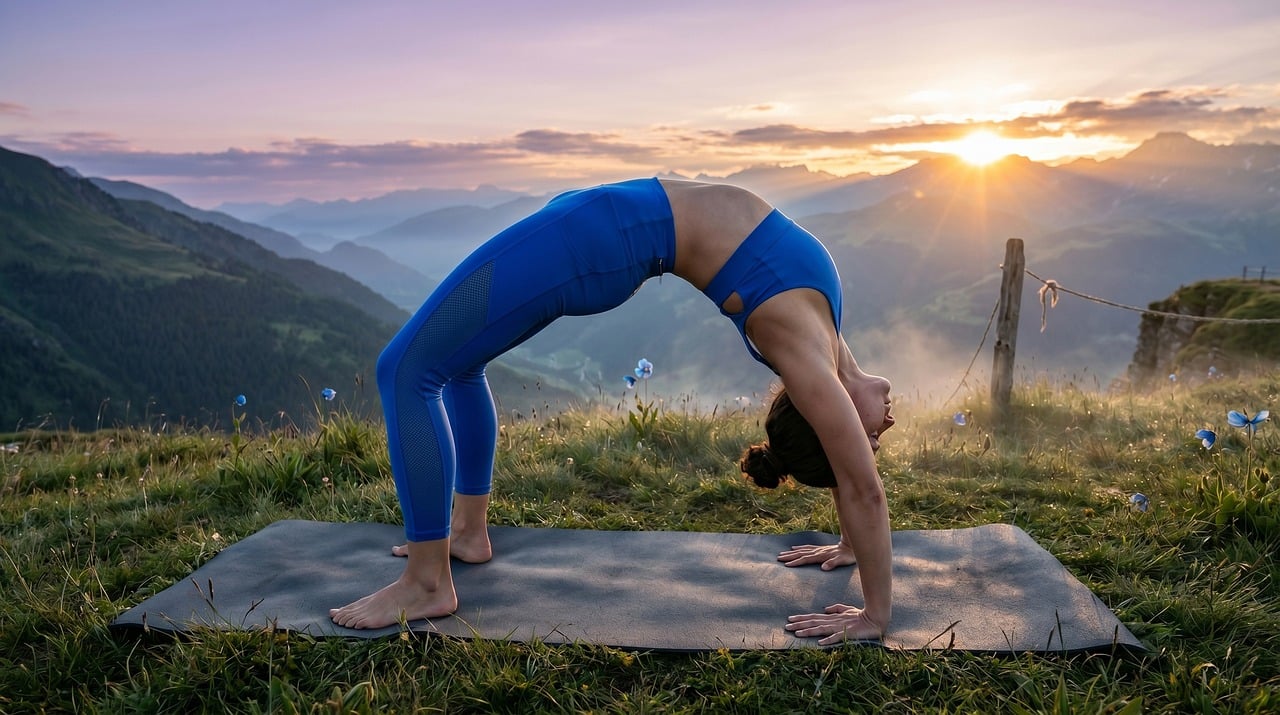
Bodyweight exercises have been gaining momentum as fitness enthusiasts seek effective methods to achieve their wellness goals without relying on expensive gym memberships. The future of bodyweight training is dynamic, with a growing trend towards integrating other forms of exercise, like yoga, to enhance overall physical abilities. Combining yoga principles with traditional bodyweight exercises offers an innovative way to improve flexibility, strength, and mindfulness in workouts. This blend is expected to lead to a significant shift in how fitness programs are structured. As we explore this fusion further, it becomes evident that yoga’s emphasis on breath control and alignment can complement bodyweight training by enhancing the awareness of physical movements. Together, these disciplines create a holistic approach to fitness, focusing not just on muscle gain but overall well-being. This synergy highlights the potential for personalizing training regimens according to individual needs, encouraging practitioners of all levels to find their unique path. The result is a more inclusive fitness culture that embraces elements from diverse traditions to develop a multifaceted approach to health and fitness.
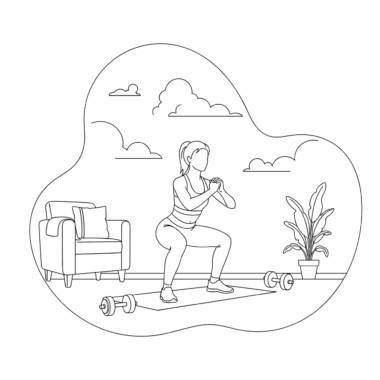
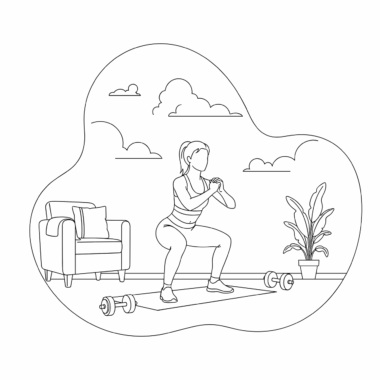
Furthermore, this integration can pave the way for a wide array of bodyweight exercises that are not only functional but also adaptable to different fitness levels. As more trainers and owners of fitness studios recognize the benefits of combining these disciplines, we can expect to see an influx of classes that draw upon both practices. Think of sessions where participants flow through traditional yoga asanas and seamlessly transition into strength-building movements like push-ups or squats. This fusion presents a fresh perspective on how individuals can approach their fitness journey. Moreover, the mental benefits derived from yoga, including increased focus, improved relaxation, and stress reduction, provide a necessary counterbalance to the often intense nature of bodyweight workouts. By pairing these two approaches, participants can develop a sense of balance and harmony in their routines. This dual focus reduces the risk of burnout, making workouts more enjoyable. As we advance into the future, embracing this cross-disciplinary approach could lead to an increased interest in group classes, workshops, and fitness retreats that emphasize the integration of bodyweight training and yoga practices.
The rising trend of combining bodyweight exercises with yoga aligns perfectly with the growing movement of functional fitness. Practitioners are becoming increasingly aware of the importance of training in a way that translates directly into daily life. The versatility of bodyweight exercises ensures participants can develop strength, balance, and mobility, skills essential for navigating everyday tasks. When these exercises are combined with yoga, participants not only build physical strength but also enhance their mind-body connection. This connection fosters mindfulness, which can significantly improve training effectiveness. Many trainees find that the circular flow of energy when practicing yoga cultivates a better understanding of their limits. Consequently, they develop safer techniques when executing bodyweight movements. Instructors embracing this hybrid approach can help their clients create customized workout plans that cater to personal objectives while prioritizing their well-being. This acknowledgment of individuality makes training more impactful as people feel empowered to take charge of their fitness journeys. Eventually, it leads to a community culture that supports growth and interconnectedness, thereby redefining traditional boundaries of personal and group workouts by blending different methodologies.
The Impact of Technology on Bodyweight Training
As technology continues to evolve, the ways bodyweight training and yoga are taught will also adapt. Mobile fitness applications and online workout programs offer unique opportunities for individuals to practice both disciplines in the comfort of their homes. Many of these platforms incorporate elements of each practice, providing users with a plethora of routines that showcase the best of both worlds. This convergence allows for innovative instructional methods and the implementation of gamification that can make workouts more engaging. Furthermore, virtual classes and workshops can create a global community of practitioners who share a passion for these hybrid training styles. Real-time feedback and tracking progress through digital platforms allow users to stay motivated and accountable, which ultimately promotes consistency in routines. As individuals discover the immense benefits derived from this blended approach, they may be more inclined to explore local studios and groups that emphasize the combination of bodyweight exercises and yoga. The possibilities seem limitless when considering how modern technology can contribute to the evolution of these fitness practices. Moreover, as more users embrace this synergy, trainers can incorporate cutting-edge tools to enhance traditional bodyweight and yoga methods effectively.
Furthermore, social media plays a pivotal role in popularizing trends in fitness. Platforms like Instagram and TikTok have enabled instructors and fitness enthusiasts to share their experiences and innovations regarding bodyweight and yoga practices. This increased exposure allows for knowledge dissemination across cultures and communities, fostering a broader understanding of significant movements and techniques. A growing number of influencers are already showcasing how to integrate bodyweight workouts with yoga poses in seamless routines. These influences can inspire followers to experiment with new and creative ways of training, leading to the emergence of viral challenges that emphasize balance and strength. This interconnectedness contributes to creating support networks that encourage personal growth while cultivating a sense of belonging among practitioners. As social media further transforms the traits of physical fitness, we can expect bodyweight and yoga combinations to enter mainstream fitness culture. The potential for enhanced collaboration between different fitness influencers will continue to rejuvenate the training landscape and further bridge gaps between disciplines, creating a vibrant, inclusive physical fitness community that celebrates diversity and personal achievements.
Community and Wellness Initiatives
As the integration of bodyweight exercises and yoga gains traction, there is a corresponding rise in community wellness initiatives that emphasize inclusiveness. Local parks and community centers are adopting this hybrid approach to create accessible fitness programs targeting various age groups and fitness levels. Such initiatives make it easier for individuals to try these practices without the pressure of formal training environments. The importance of community support cannot be overstated; gathering within a group fosters comradery while enhancing adherence to fitness regimens. Classes designed around this fusion can also offer social and emotional support, making workouts less daunting for novices and experienced users alike. Through workshops and community events, individuals have an excellent opportunity to meet like-minded people who share the goal of personal growth. By building a strong community centered on health and fitness, trainers can harness the collective energy and motivation of participants. This motivation often leads to increased consistency in workouts and improved overall well-being. Additionally, it encourages participants to rally behind each other and celebrate personal victories, whether small or monumental, thus creating lasting relationships that transcend the gym environment.
In conclusion, the future of bodyweight training looks promising as it evolves to incorporate elements from yoga and various other practices. This cross-disciplinary trend invites practitioners to form a more personalized fitness experience that encompasses physical, mental, and emotional growth. By embracing these integrated approaches, the fitness industry can continue to adapt, offering innovative solutions that resonate with an increasingly diverse population. As individuals transition away from one-size-fits-all workouts, this hybrid style caters to a wider array of preferences. The combination of bodyweight exercises and yoga fosters flexibility, strength, and mindfulness while promoting well-being. Moving forward, greater collaboration between trainers and wellness practitioners will play a vital role in shaping these trends within the fitness landscape. By cultivating an environment of open-mindedness and curiosity, this unique blend of disciplines will unlock unlimited potential for personal development. Fitness enthusiasts will be offered an authentic experience, ultimately leading to healthier lifestyles and more satisfying connections with their physical activities. The journey toward achieving fitness goals is, after all, enriched by collaboration, creativity, and a supportive community grounded in shared passions and aspirations.
Additionally, the landscape of bodyweight training will continuously shift as research and evidence-based practices come into focus. The increased validation through scientific study adds weight to the effectiveness of using yoga principles alongside bodyweight exercises. This means that fitness trainers and instructors can more readily justify their techniques to clients, who are seeking effective, safe, and sustainable methods to achieve their fitness goals in today’s fast-paced world. An evolving understanding of human anatomy and exercise science helps practitioners build better training programs rooted in both tradition and innovation. As these ideas permeate through educational venues, it will give rise to a more informed community with a solid foundation of knowledge and best practices in bodyweight training. Additionally, as yoga gains recognition within mainstream fitness culture, bodyweight training and yoga can hold their ground against traditional gym workouts. The future of fitness may be brightened significantly due to this new wave of acceptance and camaraderie surrounding bodyweight exercises and yoga, reinforcing their status as viable training options for individuals across the globe. The momentum generated by the people who embrace this hybrid approach will further boost awareness and recognition.