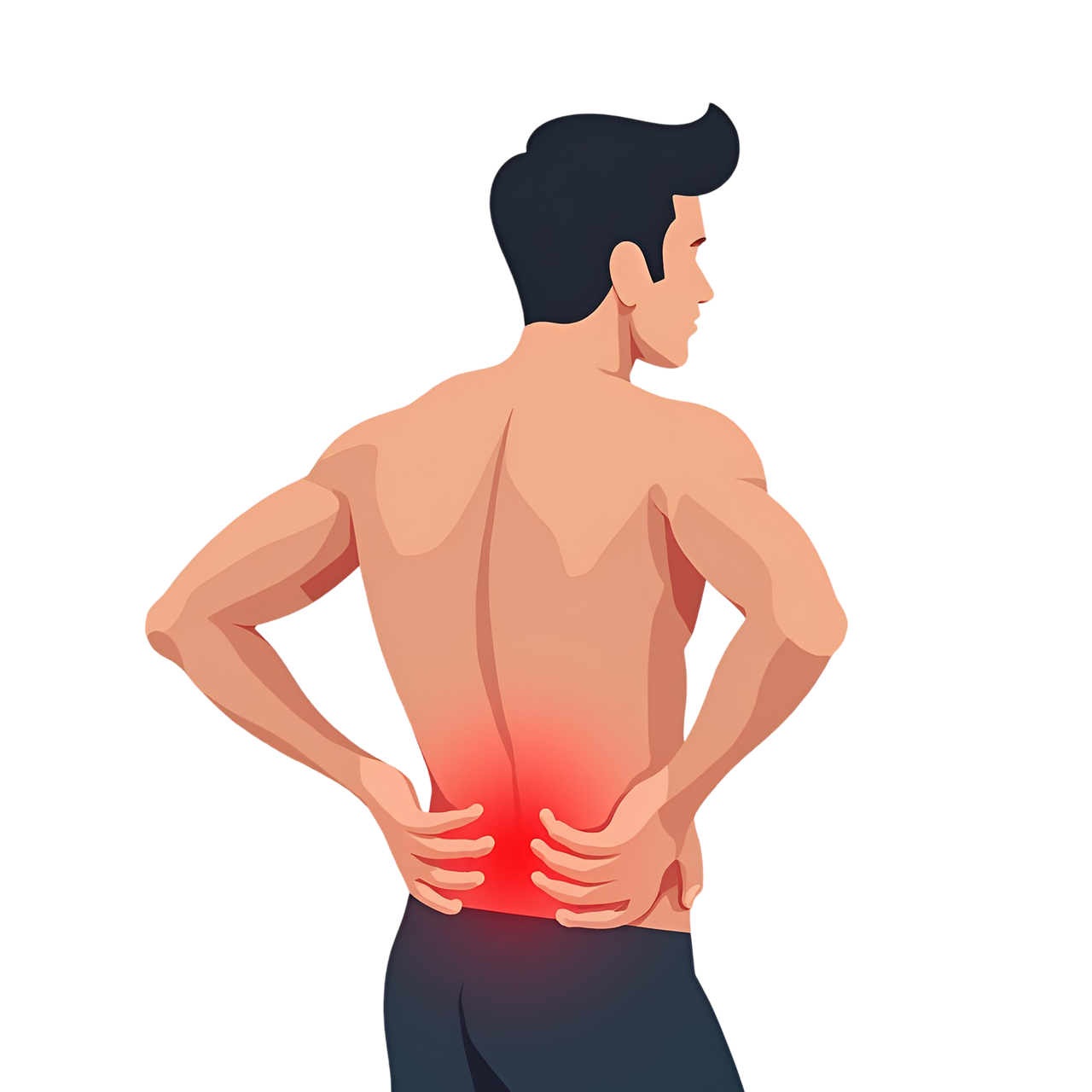

The Science Behind Core Strengthening and Back Pain Relief
Understanding the significance of core strength is vital for preventing back pain. The core comprises various muscles surrounding the abdomen, lower back, hips, and pelvis, collectively supporting the spine. When these muscles are strong, they provide stability and balance to the body, enabling smooth movement. A weak core can lead to poor posture, resulting in strain on the back during daily activities. This strain over time can cause pain and discomfort. To effectively promote back health, engaging in exercises designed to strengthen these muscles is essential. Such exercises not only enhance core muscle function but also improve overall body performance. Key exercises include planks, bridges, and various forms of yoga. Combining these activities with adequate stretching is equally important. Maintaining flexibility prevents the muscles from becoming stiff and reduces the risk of injury during workouts. By prioritizing core strength and overall fitness, individuals can significantly decrease their potential for experiencing back pain in the future, thereby leading a more active, pain-free lifestyle.
The Importance of Core Strength in Daily Activities
Core strength plays a critical role in our everyday routines, affecting everything from simple tasks to more complex actions. When engaging in activities such as lifting, bending, and even sitting, a strong core provides the necessary stability to prevent injury. For instance, lifting heavy objects without a strong core can lead to improper lifting techniques, causing undue stress on the lower back. Furthermore, strong core muscles contribute to better posture, which is essential for maintaining spinal alignment. With proper alignment, undue pressure is relieved from the back, reducing the likelihood of pain. Activities like walking and running are also enhanced by a strong core, increasing efficiency and endurance. Additionally, strong core muscles support athletic performance, allowing for better control and balance in sports and fitness. Individuals are advised to incorporate core-strengthening exercises into their workouts regularly. Engaging in activities such as Pilates or stability ball workouts can significantly bolster core strength, thus promoting back health and overall well-being. Keeping the core fit is foundational for both everyday living and athletic activities, making it a priority for everyone.
Not only does core strengthening benefit physical health, but it also positively influences mental well-being. The brain and body are intricately connected, and a strong core can boost confidence and self-esteem. When individuals feel fit and capable, they are more likely to engage in physical activities. This boost in physical activity further enhances mood and overall mental health. Exercise, including core workouts, releases endorphins, known as ‘feel-good’ hormones, which alleviate feelings of depression and anxiety. Additionally, practicing core-strengthening exercises often fosters a sense of accomplishment, particularly for those who witness improvement in their physical abilities. Engaging in group activities or classes focused on core strengthening provides social interaction and support, contributing positively to emotional health. In this way, strengthening the core can be a pathway to improved mental health. A solid core not only supports physical activities but also translates into increased overall happiness and satisfaction in life. Therefore, investing time in core-strengthening exercises can yield benefits that extend beyond the physical realm, enriching individuals’ lives holistically.
Exercises to Strengthen Your Core
To effectively prevent back pain, engaging in targeted core-strengthening exercises is essential. Several exercises are particularly beneficial for enhancing core strength and thereby safeguarding the back. One effective exercise is the plank, which can be modified to suit various fitness levels. To perform a plank, balance your body on your forearms and toes, keeping your body in a straight line from head to heels. Hold for at least 30 seconds and gradually increase your time as your strength builds. Another excellent exercise is the bridge, which strengthens the glutes and lower back. Lie on your back with your knees bent, then lift your hips towards the ceiling while squeezing your glutes. Also valuable is the bird-dog exercise, designed to enhance balance and core stability. Start on your hands and knees, extending one arm and the opposite leg simultaneously while maintaining a neutral spine. Lastly, engaging in yoga, particularly poses such as boat pose and warrior pose, can significantly enhance core functionality. By incorporating these exercises into a regular routine, individuals can develop a solid foundation for core strength essential for back pain prevention.
It’s important to note that while strengthening exercises are vital, core flexibility should not be overlooked. Incorporating stretching exercises specifically designed for the core can further promote back pain prevention. Regular stretching helps maintain an optimal balance between strength and flexibility, ensuring that muscles can perform at their best without strain. For instance, a simple seated forward bend can effectively stretch the hamstrings and lower back, alleviating tension. Cobra pose in yoga is another excellent stretch for opening up the front of the body while also targeting the back. Moreover, the standing side bend is an effective way to enhance lateral flexibility and strengthen the obliques. Practicing these stretches after each core workout contributes to increased flexibility and muscle recovery. Flexibility exercises can also improve the range of motion, allowing the body to move fluidly and lessening the risk of injury. By finding a balance between strengthening and flexibility exercises, individuals can optimize their core training and further reduce the likelihood of experiencing back pain over time. Thus, integrating flexibility training into your core workout can yield comprehensive benefits.
Maintaining Core Strength for Long-Term Health
Core strength is not just a physical attribute; it requires regular attention and care to maintain its benefits in the long run. As people age, the risk of muscle loss increases, making it crucial to stay focused on exercises tailored to developing and preserving core strength. Long-term core strength plays a vital role in sustaining mobility and independence as individuals age. Engaging in a variety of exercises can prevent monotony and enhance motivation to continue workouts regularly. Including activities such as swimming, Pilates, or Tai Chi can offer different forms of strengthening while promoting overall health. Setting realistic goals and tracking progress is also beneficial for maintaining long-term commitment to core strengthening routines. By keeping the core muscles active, individuals support their bodies in various activities, making them less susceptible to injuries and chronic pain issues. Cultivating a lifelong practice of core workouts can help people enjoy a more active lifestyle, improving their quality of life and longevity. Therefore, focusing on core strength should be seen as an ongoing journey rather than a one-time effort.
A comprehensive understanding of core strengthening’s significance is essential for anyone seeking to prevent back pain. By integrating core-focused exercises into daily routines, individuals not only promote strong muscle development but also contribute to overall well-being. Prioritizing both strength and flexibility is crucial; striving for an optimal balance enhances core stability and supports bodily functions. Moreover, connecting with a fitness community can motivate individuals to continue pursuing core conditioning. Utilizing technology, such as fitness apps or virtual classes, can provide guidance and variety. Regularly participating in fitness activities fosters accountability and helps reinforce healthy habits. Moreover, core training can be a fun, engaging experience when paired with music, group classes, or personal challenges. Consider setting small milestones to celebrate advancements in strength and perseverance. Listening to your body while exercising helps prevent injuries and ensures sustainable progress. Each individual can benefit from unique exercise selections and modifications to suit their needs. For anyone committed to protecting their back health, dedicating time and effort to core-strengthening exercises is undeniably worthwhile in achieving lasting benefits.
Conclusion: Embrace Core Strengthening
In conclusion, empowering individuals with knowledge about core strengthening is fundamental to preventing back pain. Taking action to prioritize core workouts can lead to long-term health benefits, including enhanced strength, flexibility, and reduced chance of injury. As you think about your fitness journey, consider incorporating core-focused routines. Breaking down core exercises into shorter, manageable sessions can help fit fitness into busy schedules. Always remember the importance of maintaining this strength through varying routines and engaging in social exercise programs. With an understanding of core strength’s critical role, individuals can make informed choices concerning their fitness and health goals. Moreover, lifestyle choices such as maintaining a healthy weight and staying active are crucial. Seek professional guidance if unsure about starting a new workout routine, ensuring a safe approach to strengthening your core. The journey towards a stronger core can significantly minimize discomfort and improve quality of life over time. Embrace core strengthening not only for the physical benefits it brings but also for the overall empowerment it offers in achieving a healthier lifestyle.