
Tailoring Cardio Workouts for Senior Fitness Levels
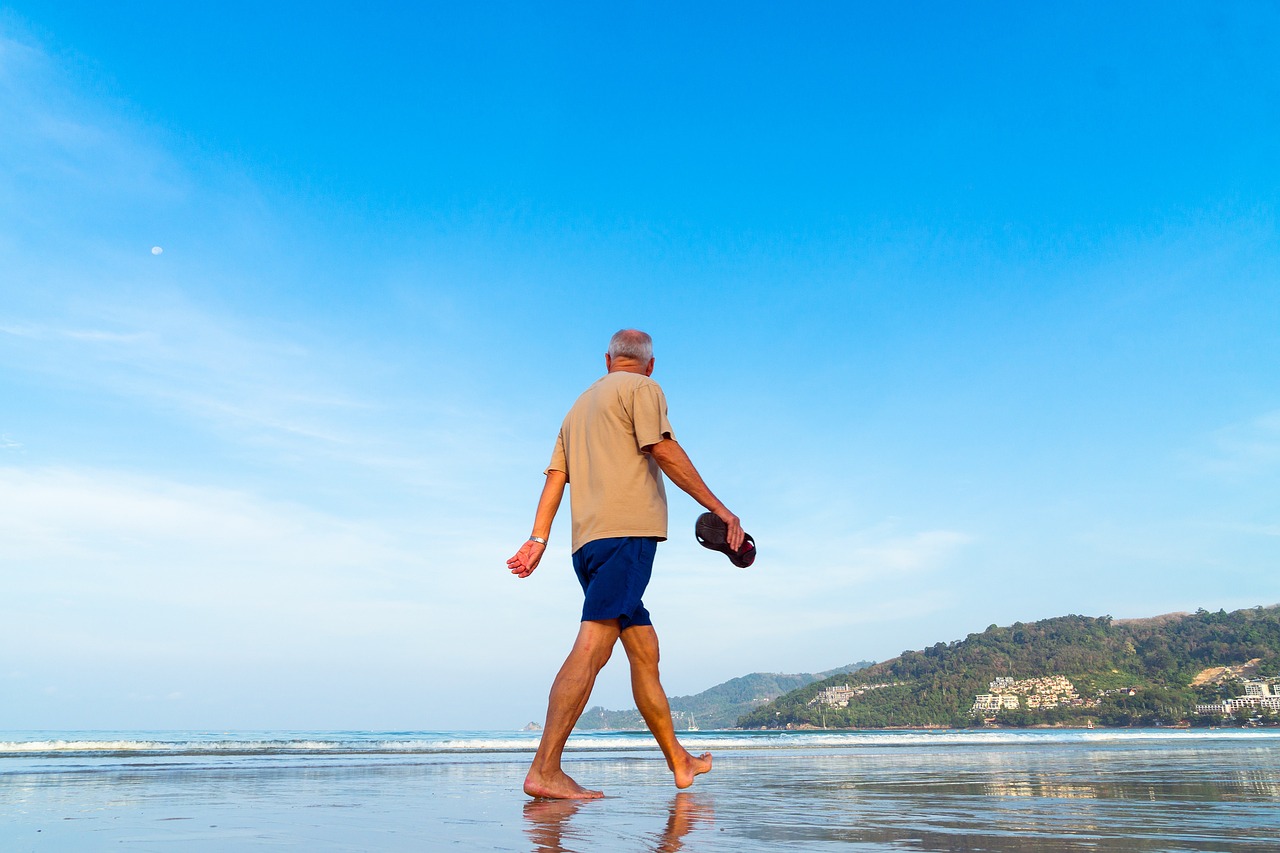
As we age, maintaining cardiovascular health becomes crucial, not just for overall wellness but also for sustaining an active and fulfilling lifestyle. Tailoring cardio workouts specifically for seniors is essential to accommodate their changing bodies and varying fitness levels. These workouts should focus on improving heart health, muscle strength, and endurance. Prioritizing safe, effective exercises can enhance mobility, boost energy levels, and reduce the risk of chronic diseases. It’s important for seniors to consult with a healthcare provider before starting any new exercise regimen, ensuring that they choose appropriate activities based on their individual health conditions. Additionally, incorporating activities they enjoy can significantly increase adherence and motivation. Whether it involves walking, cycling, swimming, or dancing, the fun aspect of cardio workouts nurtures a positive attitude towards fitness. Adjustments may also include modifying workout intensity and duration, allowing seniors to progress at their own pace. Remember to emphasize warm-ups and cool-downs, preventing injuries and promoting recovery. Most importantly, encourage social interactions during these activities, as they can help build community and foster friendships while exercising, which ultimately enhances the overall experience.
Building a Sustainable Cardio Plan
Creating a cardio plan tailored for seniors involves considering their specific limitations and preferences. Start with brief sessions, focusing on duration rather than intensity, slowly building endurance over time. Aim for at least 150 minutes of moderate aerobic exercise weekly, which can be spread across several days. Activities like brisk walking or swimming are excellent choices, as they can be easily adjusted to fit any fitness level. Incorporate strength training exercises at least twice a week, focusing on major muscle groups, as muscle mass tends to decline with age. Simple routines can include bodyweight exercises, resistance bands, or light weights to improve muscle strength and enhance stability. Listen to the body’s signals, advocating rest when needed and allowing for recovery to prevent overexertion. Use technology, such as fitness trackers, to monitor progress and celebrate milestones, which adds a sense of accomplishment. Encourage seniors to set realistic goals, emphasizing small victories over time, which can inspire continued motivation. Lastly, involving friends or family members can provide a support system, making workouts more enjoyable and fostering a sense of community.
As seniors build cardiovascular endurance, it is essential to introduce variety in their workout routine to prevent boredom and keep them engaged. Multi-modal exercises can include dance, yoga, and cycling, which offer a chance to exercise different muscle groups while also promoting cardiovascular health. The integration of balance training is beneficial as it can help prevent falls, which are a common concern among older adults. Group classes not only provide social interaction but also allow seniors to receive guidance from trained instructors, ensuring they perform exercises safely and correctly. Regular check-ins regarding physical conditions prior to workouts guarantee that seniors remain in good health while engaging in these activities. Alternatives like chair aerobics can help seniors with mobility issues stay involved in fitness. Hydration is another important factor to emphasize, especially during warm weather or longer sessions. Gentle reminders about listening to their body can further reinforce a positive workout experience. Engaging in fun activities encourages sustained practice, thus enhancing cardiovascular health significantly. Overall, a well-rounded cardio plan for seniors must be adaptable, enjoyable, and structured to their individual needs.
Measuring Progress for Senior Fitness
Measuring progress in cardio workouts for seniors is a vital aspect of keeping motivation alive. Regular assessments allow seniors to recognize their improvements, which can be a powerful motivational tool. Initial evaluations can include basic fitness tests, such as the ability to walk a specific distance or the number of steps taken within a set timeframe. Tracking metrics like heart rate, endurance levels, and energy post-workout can lend insight into cardiovascular improvements. Sensible benchmarks allow seniors to see tangible have been made since starting. Utilizing wearable technology can also make progress tracking straightforward and accessible, helping seniors stay engaged and alert. Encourage keeping a fitness journal to log progress daily; this can include duration, types of exercises, and any key feelings or experiences linked to the workouts. Setting not just physical but also mental health goals can further enhance their journey. Enhanced mood, better sleep patterns, and improved social interactions can be considered beneficial outcomes of maintaining regular exercise routines. Celebrating victories, both big and small, fosters immense satisfaction and a sense of achievement among seniors, thereby promoting ongoing commitment to their fitness journey.
The environment where seniors perform cardio workouts plays a pivotal role in their overall experience. Ideally, fitness spaces should be easily accessible, well-lit, and conducive to comfort. Make provisions for ample seating and resting areas, as this allows seniors to take breaks when necessary. Indoor spaces with controlled environments can negate temperature discomfort. Yet, outdoor exercise can offer fresh air and picturesque views, making workouts feel less taxing. For outdoor activities, safety measures should be a priority, ensuring that paths are clear and adequately maintained. Supervised community sessions can provide additional safety and recommendations. Programs that focus on walking groups or organized fitness classes can further enhance safety through socializing while exercising. Encourage interaction among participants, fostering community networks while exercising. Adequate equipment adjustments, such as training wheels or ergonomic tools, can enable seniors to exercise effectively without compromising safety. Always emphasize the importance of gradual acclimatization to new settings, allowing seniors to adapt to alternatives without feeling overwhelmed. Flexibility in environment and location can lead to a positive exercise experience that further motivates seniors toward fostering cardiovascular health.
Nutrition and Cardiovascular Health
Nutrition is a key component of maintaining cardiovascular health, especially in seniors who are incorporating cardio workouts. A well-balanced diet rich in fruits, vegetables, whole grains, lean proteins, and healthy fats can optimize their exercise routines’ effects. Seniors should focus on ensuring adequate hydration levels, as water is vital for overall health and performance during workouts. It’s important to consider any dietary restrictions that come with age and personalize meal plans to fit their needs. Consulting with a registered dietitian can provide guidance on nutrient-rich foods suitable for seniors, helping them create satisfying, healthful meals. Consider the benefits of omega-3 fatty acids found in fish, which can greatly contribute to heart health. Limit sodium intake to help minimize hypertension, alongside avoiding foods high in added sugars and unhealthy fats. Regularly discussing nutrition and exercise with peers can foster accountability and support. Seniors can also enjoy cooking classes tailored explicitly for older adults, encouraging healthy eating habits while building camaraderie among individuals within the fitness community. In conclusion, coupling nutrition with regular cardiovascular exercise can create a solid foundation for lifelong heart health in seniors.
Engaging in cardiovascular workouts promotes not just physical health but also mental well-being among seniors. The social interactions found during group activities greatly reduce feelings of loneliness, which is common in older populations. Participating in exercises with peers fosters friendships and a sense of belonging, which can lead to improved happiness. Notably, physical activity stimulates the production of endorphins, enhancing mood and leading to better emotional health. Incorporating mindfulness practices into workouts can further boost mental clarity and stress relief. Activities such as tai chi, yoga, or even leisurely walks in the park can increase mindfulness, benefiting both mind and body. Cognitive functions often improve through consistent physical activity, as it encourages greater neuroplasticity. Additionally, crafting an emotionally supportive environment while exercising can reinforce positive associations with fitness. Emphasize the importance of celebrating milestones not just physically but also emotionally, allowing seniors to recognize all aspects of their well-being. This comprehensive framework highlights that successful cardiovascular workouts for seniors encompass physical, emotional, and social components that collectively contribute to a fulfilled, healthy lifestyle.
Lastly, addressing common misconceptions around senior fitness and cardio exercise is essential to encourage active participation among older adults. Many believe that aging means limiting activities, perpetuating the myth that one should become sedentary after a certain age. However, engaging in cardiovascular activities is proven to enhance vitality and prolong life. Combatting these misconceptions entails highlighting success stories of seniors who have embraced fitness wholeheartedly. Utilize local events or feature community bulletin boards to share inspiring testimonials that highlight significant achievements among peers. Providing educational sessions can further break barriers. Invite specialists to discuss the health benefits of cardio on aging bodies, encouraging seniors to adopt a proactive approach to their health. Promote platforms where seniors can ask questions and get personalized feedback on their fitness concerns. Social media can also be a potent tool for raising awareness and connecting seniors with programs in their area. Championing active lifestyles for seniors reinforces their contributions to communities and encourages shared experiences in pursuing fitness. Overall, empowering seniors through accurate information and communal support fosters a culture of fitness that celebrates the potential of aging.”}]}