
The Importance of Regular Safety Training for Open Water Swimmers
Open water swimming can be both exhilarating and dangerous. Regular safety training is essential for every swimmer who ventures into the depths of lakes, rivers, or oceans. Not only does it enhance skills, but it also reduces the risk of accidents significantly. Each year, there are countless incidents involving swimmers who are unprepared for unpredictable conditions, such as currents, waves, and changing weather. Therefore, safety training helps develop awareness and prepares swimmers for these challenges. Through safety drills and scenario training, participants learn valuable techniques to handle various emergencies, including drowning prevention and rescue techniques. By practicing these skills regularly, swimmers can respond effectively in dangerous situations, providing peace of mind while swimming. Additionally, knowing how to use safety equipment, like life jackets and floats, is crucial in ensuring that everyone can return safely to shore. Open water swimming should not be treated lightly; regular training is a responsible and necessary commitment for all who partake in this activity. Swimmers who take this seriously help promote a culture of safety and responsibility among fellow enthusiasts.
Moreover, understanding the local environment is a vital part of safety training for open water swimmers. Swimmers should familiarize themselves with the specific body of water they intend to swim in, as each location has unique characteristics. For instance, lakes can feature hidden obstacles, while ocean currents can pose serious challenges. Recognizing potential hazards allows swimmers to plan better and make informed decisions regarding swimming conditions. Participants in safety training also learn how to effectively read weather patterns and water conditions. This knowledge is essential, ensuring swimmers are less likely to encounter dangerous situations or get caught off guard. The emphasis on local wildlife also accounts for flora and fauna that can cause harm or discomfort. This understanding is among the key aspects of comprehensive safety training that every open water swimmer should prioritize. Additionally, being aware of the rules and regulations for swimming in open waters is crucial. Swimmers must be educated about local ordinances before plugging in their goggles and diving in, ensuring compliance and safety at all times.
Teamwork and Support in Open Water Swimming
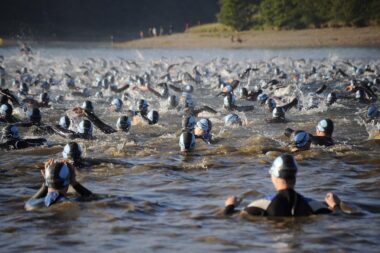
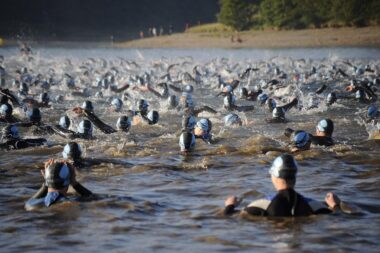
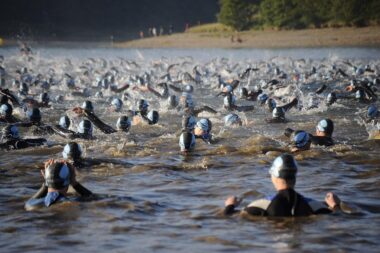
A key advantage of regular safety training is the emphasis on teamwork. Many open water swims are executed in groups, making a strong network of support essential. Training together fosters camaraderie, builds trust, and helps develop communication skills among swimmers. In emergencies, having trustworthy partners can make all the difference, particularly when dealing with unforeseen circumstances during an open water swim. Effective communication can provide crucial information about movement as well as awareness of surroundings, which is paramount when swimming in unpredictable conditions. When swimmers are aware of each other’s abilities and limitations, they can work collaboratively to ensure everyone’s safety. This collective effort promotes a more enjoyable experience for all participants. Training also encourages swimmers to have designated roles, including the lookout or swimmer buddy, ensuring accountability and communication. This level of preparation allows for efficient coordination, providing an overall safer environment for those exploring nature’s vast waters. Teamwork creates a supportive culture where swimmers feel less anxious, knowing they have others looking out for them, which enhances their experience during open water swimming.
Additionally, swimmers should incorporate first aid training into their safety regimen to enhance their preparedness. Understanding the basics of first aid can be a lifesaver in emergencies, often making a significant difference in outcomes for injured swimmers. First aid training equips individuals with the skills needed to approach injuries calmly and effectively. Training includes techniques for managing common injuries, such as cuts, scrapes, or cramps, which can occur during open water swims. It also informs participants about how to handle more serious situations, such as hypothermia or dehydration, ensuring proper responses when needed. Swimmers educated in first aid can provide immediate assistance to themselves and others and reduce response time for professional help, which is imperative in emergencies. An additional benefit of learning first aid is that it creates a sense of confidence among swimmers. When individuals know they possess the knowledge and skills to help others, they are more likely to act quickly and responsibly in emergencies. Ultimately, incorporating first aid training into swimming preparations fortifies the importance of safety training in open water swimming, fostering a culture of support.
Monitoring Physical Fitness Levels
Maintaining physical fitness is another crucial aspect of safety for open water swimmers. Regular safety training typically encourages swimmers to evaluate and improve their fitness levels, focusing on endurance and strength tailored for open water challenges. Being well-prepared physically helps swimmers better cope with demanding conditions, including cold water temperatures and long-distance swims. Incorporating specific exercises and drills during training can enhance cardiovascular fitness, strength, and flexibility, allowing swimmers to perform better under pressure while reducing fatigue. Furthermore, understanding personal limits and setting realistic goals based on physical capabilities promotes a healthier swimming experience. Coaches and trainers involved in open water swimming safety training can provide personalized feedback, helping individuals foster continuous improvement. Taking time to analyze fitness levels and engage in targeted workouts ensures swimmers are adequately equipped to face the challenges of open water environments. Regular assessments make it possible for swimmers to track progress and make necessary adjustments, fostering consistency and reliability in performance. Ultimately, integrating a fitness focus into safety training creates a comprehensive approach to open water swimming that accounts for various factors affecting safety and success.
Moreover, preparation also encompasses a thorough understanding of the equipment available for open water swimmers. Proper gear significantly enhances safety, so participation in safety training should provide swimmers access to suitable equipment knowledge. Essential items often include wetsuits, flotation devices, and safety whistles that can assist swimmers should they need to signal for help. Familiarity with personal gear optimizes performance, ensuring swimmers are comfortable and confident while out in open waters. Additionally, training should touch upon the importance of wearing bright colors or using reflective gear to improve visibility, particularly in tumultuous conditions. Being visible can help keep swimmers safe from boats and other watercraft. Safety equipment is also critical when it comes to messaging others about any safety concerns. Understanding how to utilize all gear effectively, whether it is for buoyancy, visibility, or signaling for assistance, is important for every open water swimmer. Furthermore, suitable equipment helps manage potential dangers, offering peace of mind while explored vast waters. Comfort and security provided by reliable gear ensure that swimmers can enjoy their experience and make the most of each adventure.
Conclusion: Harnessing the Benefits of Safety Training
In summary, the benefits of regular safety training for open water swimmers cannot be overstated. Engaging in consistent training not only hones swimming skills and knowledge but also creates a culture of safety and support among participants. Through teamwork, first aid knowledge, and fitness evaluations, swimmers become equipped to face the diverse challenges posed by open water environments. It fosters a community committed to safety awareness and preparedness, ensuring that accidents can be minimized and handled effectively. Additionally, training emphasizes the importance of familiarizing oneself with the specific body of water, recognizing hazards, and having the appropriate gear to maintain safety and visibility. Everyone involved in open water swimming can benefit from a solid training foundation based on safety principles. Swimmers who embody a culture of preparedness help inspire others to take similar precautions. It encourages responsible involvement in open water swimming, making it a safer, more enjoyable pursuit. By committing to regular safety training, participants not only enhance their skills but help ensure a better experience for themselves and fellow swimmers alike.
Safety training empowers every swimmer to take their skills and awareness to greater heights while promoting a responsible and enjoyable experience. Engaging with safety training aids in exploring and appreciating nature’s beauty while remaining vigilant and informed. Emphasizing this aspect of open water swimming cultivates excitement and encourages lifelong learning of skills essential for safe and enjoyable swimming practices. Ultimately, every swimmer has a role in fostering safety, from novice to experienced. Embracing the principles of safety training can significantly boost well-being and preparedness. Open water swimming is an adventure, and by focusing on safety, swimmers will find greater satisfaction through shared experiences while exploring vast waters. Moreover, integrating safety training into the routine elevates swimmers’ confidence when faced with unexpected scenarios. They will be better equipped to navigate unique challenges posed by open water and feel more fulfilled in their aquatic experiences. By prioritizing safety, all swimmers can continue to revel in the pure joy that swimming provides, allowing the beauty and excitement of open waters to shine while simultaneously emphasizing a culture of safety and shared responsibility.