
How to Prepare for a Safe Open Water Swim
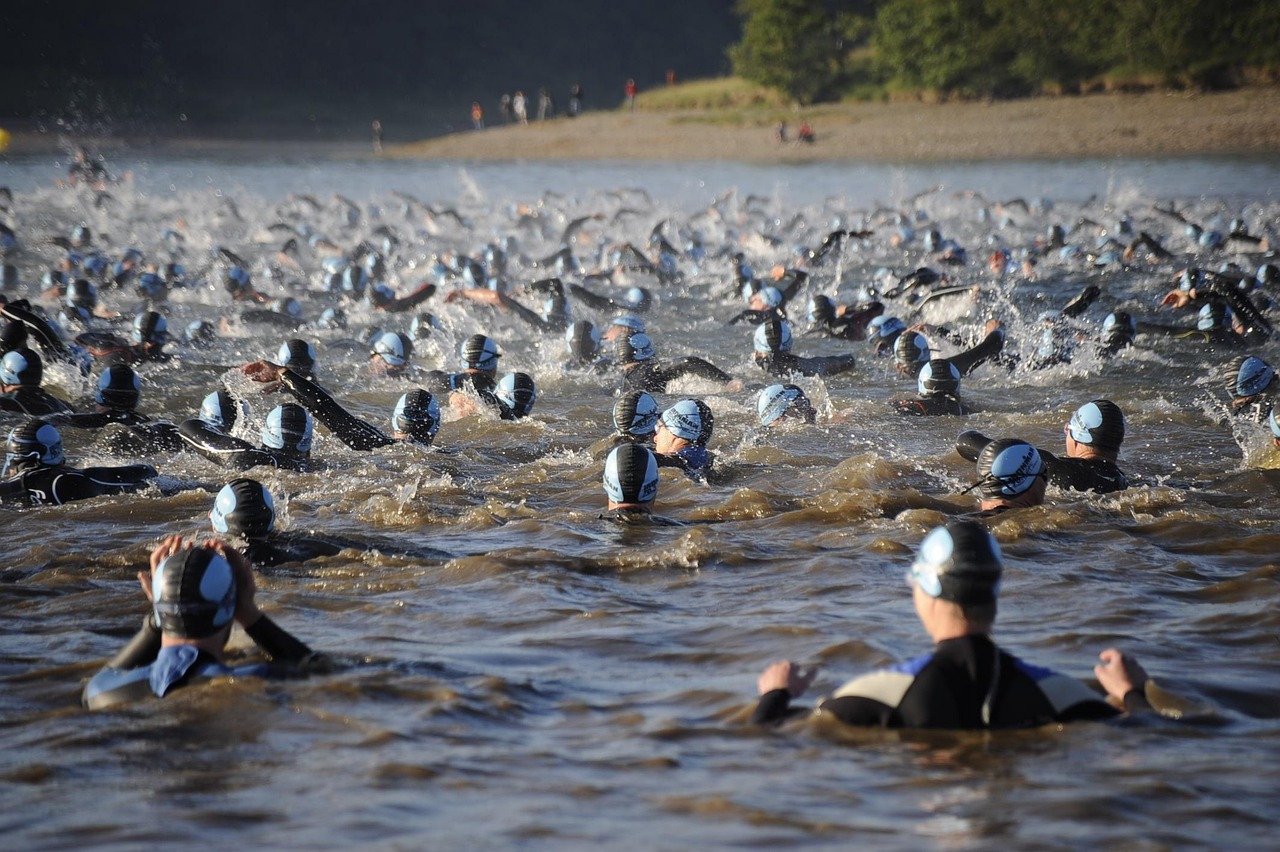
When considering open water swimming, safety must be your top priority. The vastness of lakes, rivers, and oceans poses unique challenges not found in a pool setting. To ensure your safety, first, it is crucial to familiarize yourself with the specific body of water where you’ll swim. Research local conditions, including water temperatures, potential currents, and designated swimming areas. Joining a local swim group can also provide guidance and support. Consider practicing in areas designated for swimming as many local regulations exist to protect swimmers from hazards. Always wear a bright colored swim cap for visibility, and use buoy markers if available. Equip yourself with a wetsuit, not just for warmth but also for buoyancy. Additionally, inform someone of your planned swim route and estimated duration. This precaution helps in case of emergencies. It is vital to remain aware of changing weather conditions as storms can develop rapidly on open water. Lastly, prioritize swimming with a buddy; there is safety in numbers, making it easier to spot and assist each other, especially in emergencies.
Next, understanding the environment is key to an enjoyable and safe experience. Each location presents distinct hazards you can prepare for. Familiarize yourself with local wildlife such as jellyfish or stingrays that may pose a threat. Additionally, look out for boat traffic, as open waters can be busy with various vessels. Always keep an eye on your surroundings. To improve your awareness, consider taking an open water safety course before your first swim. Such classes often provide essential training on how to deal with emergencies, including dealing with waves or currents. You should also practice your swimming skills in controlled environments. Work on your endurance and technique so you’re well-prepared for open water. Remember to take breaks during your swims; even skilled swimmers can become fatigued quickly in challenging conditions. Using a waterproof smartwatch or fitness tracker is excellent for monitoring your swimming distance and time in real-time. Make choosing swim locations that feel comfortable and practice navigating to minimize anxiety in unfamiliar situations.
Essential Gear for Open Water Swimming
Your gear plays a critical role in ensuring your safety while swimming in open water. As stated earlier, wearing a brightly colored swim cap significantly increases your visibility to boats and other swimmers. Choosing the right wetsuit is equally important because it not only provides warmth but also essential buoyancy. Look for suits designed for open water swimming, which often feature better flexibility in the shoulders and arms. Moreover, invest in high-quality goggles that offer UV protection and anti-fog features. Goggles should fit snugly and effectively to keep your vision clear. Additionally, a swim buoy can provide visibility while also acting as a flotation aid when needed. A waterproof phone pouch can also be a lifesaver in emergencies, allowing you to call for help if required. Sunscreen is an overlooked essential; apply water-resistant SPF on exposed skin to prevent sunburn during your swim. Also, consider carrying an energy bar or snack, as swimming can be physically taxing. Being well-equipped not only enhances your performance but also ensures peace of mind while swimming.
Preparing for open water swimming also includes self-awareness regarding your limits. Every swimmer has unique skills and capabilities. Assess your swimming speed, endurance, and comfort in different water conditions. Start with shorter swims and gradually build distance to gain confidence in your abilities. Moreover, practice acclimatizing to different water temperatures; your body may respond differently to colder water than expected. Taking the time to adapt enhances your comfort and performance. Monitor your breathing as it can change in open water due to waves or exertion. Focus on controlled breathing techniques to help maintain calmness and performance. During training, practice sighting to keep a straight line, and use landmarks along shore to navigate effectively. Always remain alert to your physical condition while swimming; if you feel fatigued or unwell, it’s better to end the swim early than risk injury. Being aware of your body’s signals is crucial for maintaining safety during open water swims. Finally, have post-swim recovery strategies in place to ensure proper hydration and nutrition, which are vital to keeping your body healthy.
Communication and Signaling
Clear communication is essential when swimming in open water, especially when swimming with others. Before starting any swim, ensure all participants agree on signals to use in case of trouble. Establish how to signal for help if someone becomes distressed or is having difficulty. It can be as simple as raising an arm or using a whistle attached to your swim gear. Additionally, designate clear meeting points for breaks. Regularly checking in with swimming partners foster a sense of teamwork and ensures that everyone is coping well. Consider using colored swim caps to signal your group affiliation or ability level. Also, consider the use of waterproof communication devices to coordinate while in water. Establish clarity regarding swimming directions and verify everyone understands the swim route, especially in unfamiliar waters. After the swim, have a debrief to discuss improvements and gather feedback on how to enhance safety in future swims. Openly sharing experiences fosters growth and camaraderie among swimmers, making for an enjoyable and safe open water experience. A constant cycle of communication helps identify potential hazards and allows for quicker emergency responses.
In addition to preparation and communication, respecting the environment is crucial for sustainable open water swimming. Avoid disturbing wildlife or fragile ecosystems while swimming. Follow local regulations regarding swimming zones, which exist to maintain population balance while ensuring safety for swimmers. If swimming in a natural area, strive for environmental impact awareness, ensuring to leave no trace behind. Dispose of waste properly, whether taking home trash or using designated disposal areas. Educate yourself on local wildlife to minimize interactions, as a respectful distance prevents undue stress on animals and reduces the potential for accidents. Stick to designated trails when accessing swimming areas; this preserves natural habitats while protecting swimmers. Encourage fellow swimmers to respect their surroundings; forming a community that prioritizes both safety and environmental care benefits everyone. Being stewards of our planet not only enriches our swimming experience but inspires other swimmers as well. Finally, engage with local conservation groups to learn about the impact of water pollution and contribute to efforts aimed at cleaning and protecting water bodies. A swimming culture mindful of its environmental responsibilities will thrive for generations.
Conclusion
In conclusion, mastering open water swimming safety requires preparation, respect, and knowledge. Equip yourself with essential gear, and always swim with a buddy when possible. Familiarize yourself with local conditions and wildlife while understanding your personal limits. Communication during swims establishes safety among partners while ensuring everyone can respond in emergencies. Being self-aware includes embracing your strengths and recognizing your weaknesses as a swimmer. Clear signaling before and during swims fosters teamwork, ensuring an enjoyable experience among all participants. Moreover, committing to environmental respect protects our natural swimming facilities for the future. By leaving no trace and being mindful of ecosystems, swimmers enhance their experiences and help maintain healthy aquatic environments. Engage with fellow swimmers and local communities to promote responsible swimming practices. Remember, the journey of mastering open water swimming is about growth, enjoyment, and responsibility. Always strive to learn and improve. With the right mindset and preparation, any swimmer can enjoy the beauty of open water safely. Safe swimming should always be a priority!
Engaging in accidental dangers can happen unexpectedly. Always stay alert, follow safety tips, and be ready for each challenge ahead.