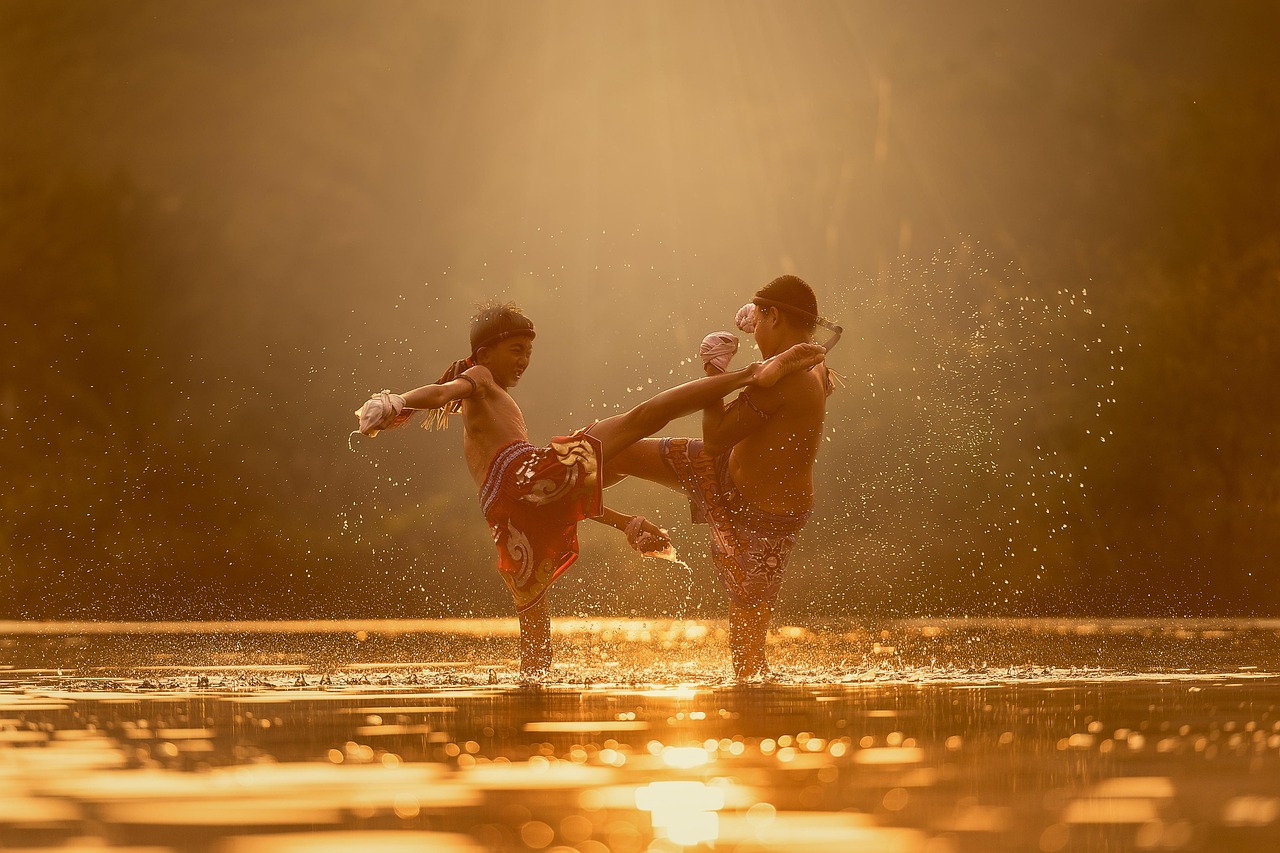

How Martial Arts Can Help Kids Overcome Bullying
Bullying is a pressing issue that affects many children today. In various environments, including schools or community centers, kids can experience bullying that impacts their self-esteem, mental health, and social interactions. Luckily, martial arts training offers a pathway for these young individuals to reclaim their confidence and assert themselves positively. Engaging in martial arts not only teaches practical self-defense techniques but also fosters crucial life skills. Through regular practice, kids learn how to stay calm in stressful situations, enhancing their emotional intelligence and resilience. A key aspect of this training is instilling discipline and respect within the student, which enables them to develop a stronger sense of self-worth. Consequently, martial arts become a channel through which children can connect with peers and develop friendships based on mutual respect. Importantly, the environment inside a dojo promotes camaraderie and teamwork, reducing the feeling of isolation that often accompanies bullying. Thus, martial arts becomes a dual tool for both physical defense and psychological growth, empowering kids to stand up against bullying effectively and constructively.
One of the critical benefits of martial arts is its emphasis on mental fortitude. Children learn the importance of maintaining a positive mindset, regardless of their difficulties. In self-defense classes, they understand the need to face fears directly, which prepares them to confront bullies more effectively. By focusing on inner strength, martial arts helps kids cultivate self-control, which is often tested when dealing with aggressive peers. Moreover, the consistent practice helps obviate feelings of fear and anxiety associated with potential threats. Each class teaches them to respond rather than react impulsively under pressure. Building assertiveness through physical training translates to improved communication skills. Kids become adept at expressing their thoughts and emotions clearly, making it possible to address situations involving bullying more directly. Teaching children to speak up can deter bullies, as assertiveness is an effective form of self-defense. Additionally, martial arts encourage setting personal goals. By striving for advancement through belt tests and competitions, kids learn the value of patience and hard work. These accomplishments reinforce their self-esteem and capability, effectively fuelling their confidence to rise above challenging social dynamics.
The Role of Physical Fitness
A strong physique significantly aids in overcoming bullying encounters. Martial arts training boosts endurance, strength, and flexibility, which collectively empower kids to handle physical confrontations. Strength is vital in developing motor skills and coordination, which enhance their overall physicality. Through consistent practice, children grow stronger and learn techniques that can be invaluable when confronting a bully. However, the benefits extend beyond mere muscle; regular workouts also promote overall health and well-being. When kids feel good about their bodies, their confidence soars, enabling them to engage more readily with others. The physical activity promotes the release of endorphins, leading to better mood regulation. Hence, martial arts acts as a natural antidote to the stress associated with bullying situations. Moreover, the structured nature of martial arts training can instill a sense of routine, which further enhances physical and mental well-being. Additionally, as kids become proficient in their abilities, they gain a sense of security, minimizing the likelihood of being targeted. Feeling safe in one’s physical capabilities is essential in standing firm against aggression, empowering children to react decisively when confronted.
Another significant advantage of martial arts is teaching kids conflict resolution strategies. Young students learn that fighting should not be the first option to handle conflicts; instead, verbal communication and assertiveness take precedence. This emphasis on non-violence helps cultivate empathy and understanding. As children advance through various levels in martial arts, they recognize that the true essence lies in the discipline and respect afforded to these techniques. This perspective helps them approach challenging social dynamics thoughtfully. Martial arts instructors often utilize teachable moments to instill values such as respect and understanding for both oneself and others. When children learn to respect their classmates and even potential bullies, they create an environment where bullying is less likely to flourish. Ultimately, promoting a culture of kindness helps break down barriers that facilitate bullying activities among peers. Role-playing scenarios during classes reinforce these teachings, demonstrating the importance of utilizing verbal skills to de-escalate potential confrontations. A structured environment encourages kids to practice calming strategies and apply them outside the dojo. Through this preparation, children become equipped to manage potentially aggressive situations creatively and constructively, establishing a foundation for healthier peer relationships.
The Importance of Supportive Community
Martial arts programs often foster a community of supportive individuals who encourage one another’s progress. This sense of belonging helps children feel valued and understood, significantly counteracting the feelings of isolation that underpin bullying. Within martial arts schools, an emphasis on mutual respect empowers students to hold each other accountable while promoting a safe learning environment. The relationships formed within these settings create a network of support, where kids can share experiences and learn valuable social skills. These friendships often transcend the dojo, leading to partnerships and encouragement outside of martial arts classes. Being part of a community lends a sense of shared experience crucial during challenging times, as children navigate the complexities of bullying situations. Instructors play a key role in this supportive environment; they mentor students, validate their feelings, and reinforce the importance of standing united against bullying. When children witness their peers succeeding, it inspires them to persist despite difficulties. This shared commitment to growth enhances confidence and creates a culture where bullying is not tolerated but actively challenged. A vibrant community uplifts students to pursue excellence not just in martial arts but in all aspects of life.
Additionally, martial arts often provide effective coping strategies that children can employ in real-life situations. Many martial arts classes incorporate mindfulness and meditation techniques which have been proven to alleviate anxiety and stress. The practice of staying grounded helps children manage their emotions when facing confrontation either verbally or physically. Learning to remain composed amidst chaos is a skill that transcends the dojo, equipping kids to challenge their adversaries proactively and with confidence. Moreover, martial arts promotes a healthy outlet for emotions through physical activity. Engaging in rigorous exercises serves as a release, allowing children to channel their feelings into constructive actions rather than passive responses. This transparency aids them in redefining their perception of conflicts, viewing them as challenges rather than threats. Emotional versatility translates to psychological strength, allowing kids to embrace challenges in and outside school. Further, as young practitioners learn self-defense techniques, they also learn the significance of personal safety. This understanding empowers them to take charge of their circumstances, feeling equipped to handle their surroundings. Ultimately, by blending emotional intelligence with physical competence, martial arts cultivates well-rounded individuals capable of facing a variety of life hurdles.
Conclusion
In conclusion, martial arts serve as a compelling solution for helping kids overcome bullying issues. Beyond physical self-defense, their training embodies an educational framework filled with essential life skills. Self-control, discipline, conflict resolution, and physical fitness converge to create resilient individuals determined to rise above negative situations. As kids progress through various ranks, they learn the inward journey of personal growth, helping them transform their potential into reality. The support from peers and mentors within martial arts programs fosters a sense of community, reducing isolation and fear. Approaching confrontations with assertiveness and communication skills becomes second nature, empowering children to effectively manage challenging circumstances. Furthermore, the emphasis on emotional intelligence prepares children to confront the complexities of social interactions with confidence. The development of both physical and mental capabilities allows them to navigate social dynamics more efficiently. Hence, by engaging in martial arts, kids not only develop mechanisms to confront bullies, but they also cultivate resilience and thorough understanding. This makes martial arts an invaluable resource for any child facing bullying, enabling them to emerge strong and empowered.
To summarize the core themes addressed, martial arts equip children to face bullying challenges effectively through self-defense, emotional intelligence, and community spirit. They promote assertiveness, respect, and personal growth, thereby reinforcing crucial life skills. Each child who partakes in these classes embarks on a transformative journey, built on the pillars of resilience and strength. The dojo serves as a second home for many, with supportive relationships fostering confidence and emotional growth. Amidst the realities of bullying, martial arts provides a beacon of hope, guiding kids towards stronger self-concepts and better peer interactions. Overall, the holistic approach encompasses improving physical fitness, mental well-being, and social relationships, effectively addressing bullying at its core. As parents, educators, and communities recognize the value of martial arts, they can proactively contribute to reducing bullying incidents. Encouraging children to participate in these programs constitutes an investment in their future, nurturing individuals capable of standing against adversity. By teaching these young ones how to become their advocates, martial arts cultivates an empowered generation ready to face life’s challenges with strength, determination, and respect. Thus, recommending martial arts as a viable solution underscores a commitment to nurturing positive youth development.