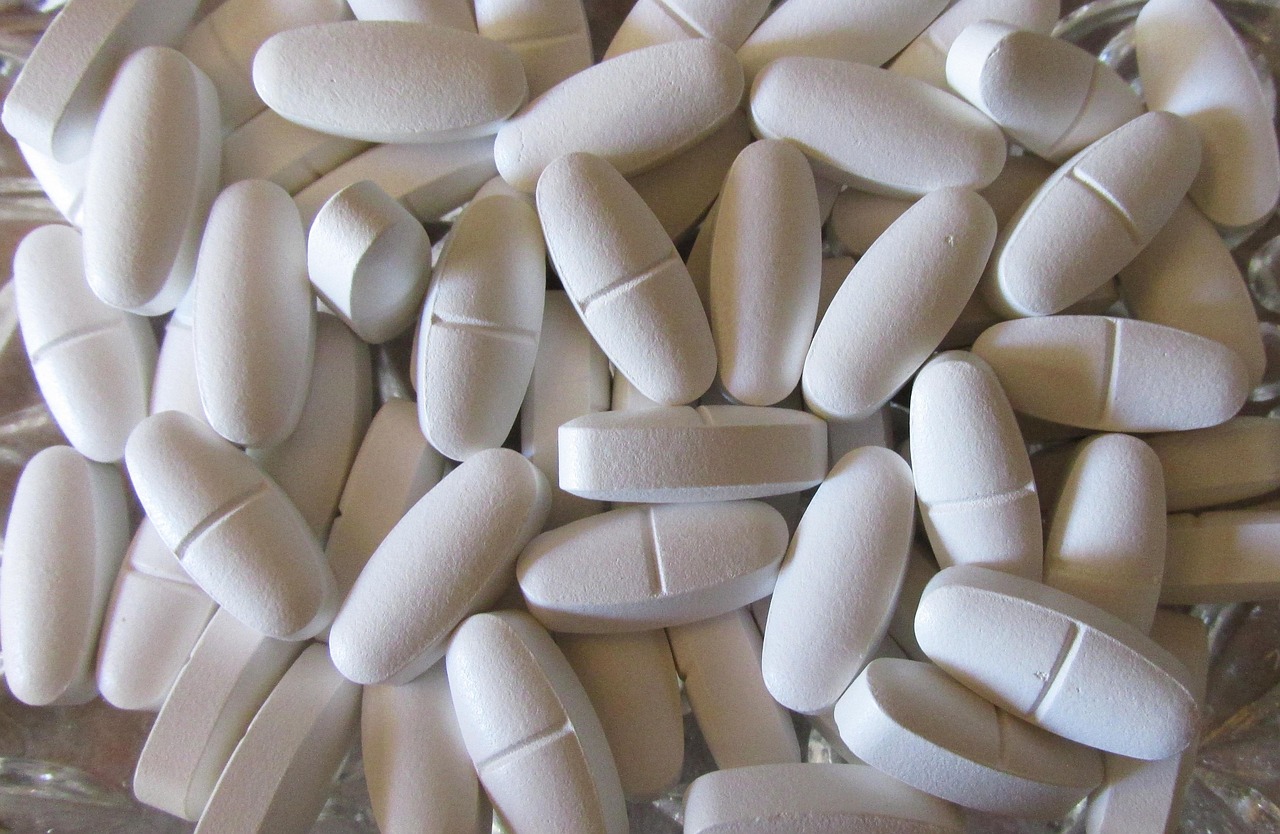

Herbal Supplements to Support Bone Health and Strength
Maintaining strong and healthy bones is essential for overall well-being, especially as we age. Certain herbal supplements offer beneficial properties that can help support bone health. A well-rounded diet may provide necessary nutrients, but herbal options can enhance your efforts. Popular herbal supplements that are considered good for bones include nettle, horsetail, and red clover. Nettle is rich in calcium and magnesium, which are vital for maintaining bone density. Horsetail contains silica, an element linked to improved bone strength and connective tissue health. Meanwhile, red clover contains isoflavones, which may play a role in reducing bone loss. Additionally, it’s beneficial to combine these supplements with a balanced diet enriched in vitamins D and K, as they are important for calcium absorption. Before starting any supplement regimen, consult with a healthcare provider to ensure that it is right for you. Ensuring adequate hydration and physical activity is also important, as these factors contribute significantly to maintaining healthy bones and joints. Always prioritize natural and holistic methods for supporting bone health.
The Role of Calcium and Vitamin D
To support bone health, calcium and vitamin D play vital roles that cannot be overlooked. Calcium is a key component of bone structure, and inadequate intake can lead to weakened bones and conditions like osteoporosis. Various herbal supplements can provide calcium, including nettle and dandelion. Dandelion, often viewed as a weed, is surprisingly nutrient-dense, supplying calcium and potassium essential for bone health. Vitamin D helps the body absorb calcium efficiently; therefore, without sufficient vitamin D, even if you consume adequate calcium, your body may not utilize it effectively. Sunlight exposure is a natural source of vitamin D, and certain foods such as fatty fish and fortified dairy products can contribute to your levels. However, many individuals find it challenging to obtain sufficient vitamin D from diet and sunlight alone, especially in higher latitudes or during winter months. Here, supplements come into play. You can find various herbal options that are fortified with vitamin D to ensure that your bone health remains uncompromised. Always consult with a healthcare professional to determine the right dosage and supplement types for your specific needs.
Another important factor to consider is the overall lifestyle you lead. Regular physical activity is essential for maintaining bone strength; weight-bearing exercises in particular help stimulate bone growth and density. Activities such as walking, hiking, and yoga can encourage muscular activity that directly benefits your bones. Alongside an active lifestyle, managing stress is also crucial; high stress levels may contribute to bone loss over time. Supplements such as ashwagandha may help in managing stress levels naturally and effectively, thus indirectly benefitting bone health. This adaptogenic herb has shown promise in helping the body cope with various stressors, which may lead to better overall health and balance. Coupling physical activity with herbal supplementation creates a holistic approach to support your bones. Pay close attention to your body’s signals; inadequate sleep and high stress can adversely affect your physical well-being. By focusing on a mind-body connection, you enhance your potential for optimal bone health. It’s vital to create a balanced routine that incorporates exercise, nutrition, and stress management for the best results.
Herbs Rich in Antioxidants
Antioxidants play a significant role in bone health by combating oxidative stress that can lead to bone degeneration. Certain herbal supplements are rich in antioxidants, offering additional benefits that can help preserve bone integrity. Herbs such as turmeric and boswellia are known for their anti-inflammatory and antioxidant properties. Turmeric contains curcumin, which studies suggest may reduce inflammation and promote bone healing. Boswellia has been traditionally used in herbal medicine for its potential to alleviate pain and improve joint function. One of the best ways to incorporate these herbs into your regimen is through teas, capsules, or powders. Many dietary supplements combine these powerful herbs for even greater efficacy. Furthermore, maintaining a well-balanced diet rich in antioxidant vitamins such as A, C, and E boosts your body’s defense against free radicals, ensuring that your bones remain resilient against deterioration. Fruits like berries, citrus fruits, and green leafy vegetables should be staples in your diet. Combining these sources of antioxidants with herbal supplements can create a strong approach to ensure optimal bone health.
Additionally, magnesium and phosphorus are essential minerals that contribute to bone formation and density. Magnesium helps regulate the levels of calcium and is crucial for the process of converting vitamin D into its active form. Without adequate magnesium, the body may struggle to use the calcium available. Natural sources of magnesium include seeds, nuts, and whole grains; however, supplementation may be necessary for some individuals. Herbal supplements like alfalfa and spirulina are also excellent sources of magnesium and can be easily incorporated into your diet. Phosphorus is another key mineral important for healthy bones, as it forms part of the bone matrix. It can be found in foods like dairy products and fish. Many herbal supplements are now formulated to include a complete profile of minerals beneficial for bone health, ensuring you get everything you need in one dose. When choosing a supplement, read labels carefully for bioavailability and absorption factors, as they can significantly influence how well your body utilizes these nutrients. Always try to maintain an appropriate balance between nutrients for optimal bone health.
Integrating Herbs into Your Routine
Integrating herbal supplements into your daily routine can eventually lead to positive effects on bone health. One effective approach is to start slowly, introducing one herb at a time to monitor your body’s reaction. This allows you to better understand what benefits you might experience and whether any herb causes adverse effects. It’s often recommended to consume herbs in their natural forms, such as teas, tinctures, or powders, as they may be more effective than processed capsules. Create healthy smoothies by adding spirulina or dandelion powder. Consider brewing a cup of nettle tea to enjoy its rich mineral content while also staying hydrated. Moreover, consulting with an herbalist or nutritionist can help guide your choices, as they can provide tailored advice based on your specific needs and conditions. Keep a journal to track your progress and any changes you notice in your bone health or general well-being. You might find that keeping notes helps motivate you to stick with your routine; consistency is key when it comes to realizing the full benefits of herbal supplementation.
Lastly, always prioritize safety and quality when it comes to selecting herbal supplements for bone health. Not all products are created equal; some may contain fillers or not provide the claimed benefits. Look for third-party tested products to ensure that what you’re taking is pure and effective. Checking for labels from reputable organizations can also provide confidence in product quality. Furthermore, avoid consuming excessive quantities, as this can lead to toxicity or interactions with medications you may already be taking. Always consult with your healthcare provider if you are unsure about which supplements to take, especially if you have pre-existing conditions or are taking prescribed medications. A professional can provide invaluable guidance on dosage, timing, and potential interactions. Remember that the goal is to create a balanced approach to bone health, combining nutrition, exercise, and supplementation tailored to your individual needs. Together, this holistic approach will contribute to stronger, healthier bones for a sustainable lifestyle.
In conclusion, maintaining strong bones requires a multifaceted strategy that includes dietary, lifestyle, and herbal interventions. The integration of herbal supplements such as horsetail, nettle, turmeric, and dandelion can provide your bones with essential nutrients and antioxidants necessary to thrive. Coupled with adequate calcium, vitamin D, magnesium, and phosphorus, these herbs form a robust foundation for bone health. A healthy lifestyle that includes regular physical exercise and stress management will further enhance the efficacy of your supplements, creating a balanced routine beneficial for overall health. Always begin with consultations from professionals within the health and wellness field to ensure that you make informed decisions regarding supplementation. Finally, consistency is key; changes in bone health may take time, but with mindful practices, you’re likely to experience improved results. Incorporate these holistic strategies into your daily life and observe the positive impacts on your bone health and general well-being. Understanding how these herbs contribute to the body enables you to make sound decisions regarding your health. Embrace this journey with confidence for stronger bones and a fulfilling life ahead.