
Top 10 Recovery Techniques Every Cyclist Should Know
Cycling can take a toll on your body. Thus, recovery techniques are essential. First, always incorporate proper nutrition into your recovery plan. Nutrient timing can be just as important, especially post-ride. Consuming protein-rich foods can aid muscle repair. Along with protein, carbohydrates help replenish glycogen stores. To boost your recovery further, ensure ample hydration. Water plays a crucial role in muscle function and overall performance. Secondly, consider the benefits of stretching. Stretching can enhance flexibility and improve blood circulation post-ride. Techniques such as static and dynamic stretching can be effective. Foam rolling is another method to ease muscle tension and soreness, breaking down knots in your muscles. It promotes blood flow and aids recovery too. Additionally, get adequate sleep, as it is often overlooked. Sleep restores energy levels and supports immune function. You may also want to explore active recovery sessions. Light activities like walking or gentle cycling can stimulate recovery while avoiding strenuous exercise. Finally, consider recovery supplements that may aid your efforts. Always consult with healthcare professionals before adding new supplements to your routine.
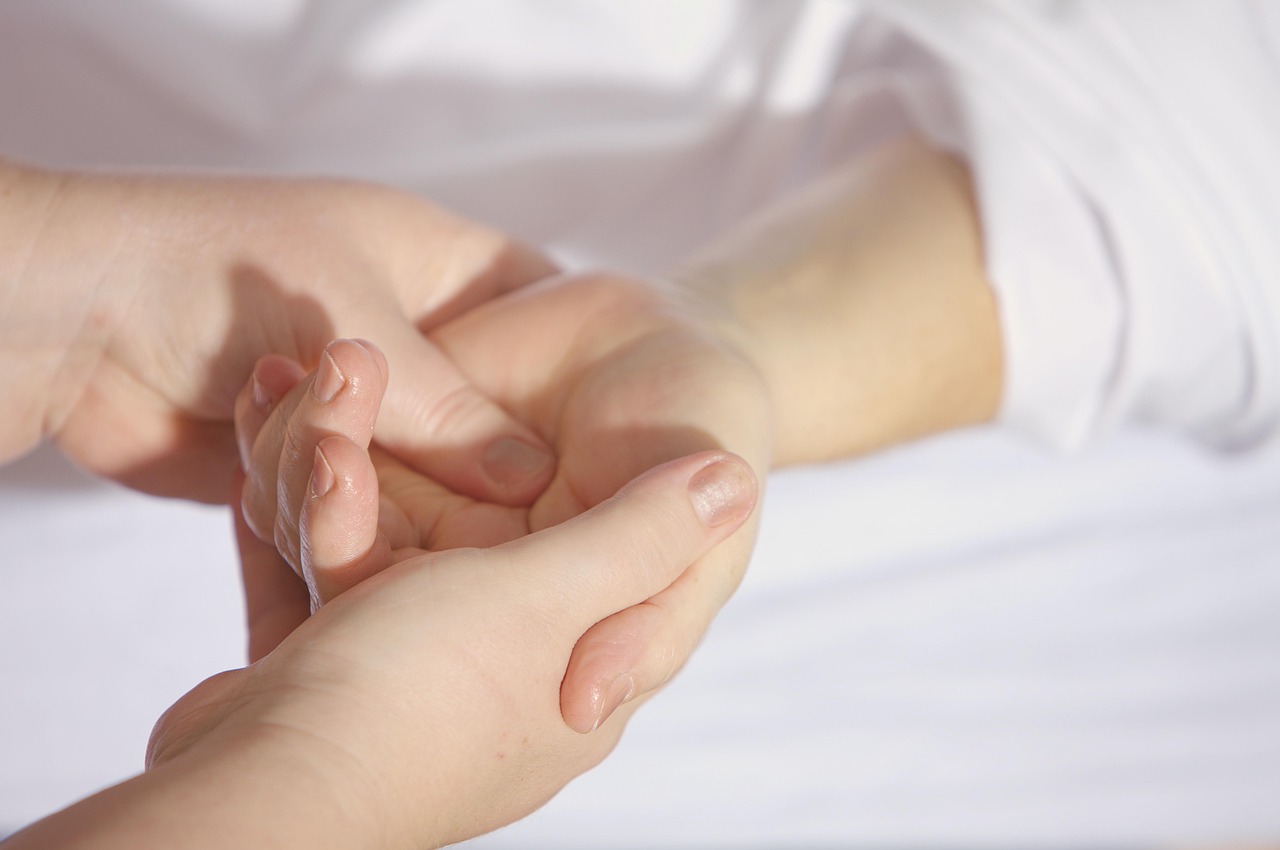
Seeking professional guidance is vital. Hiring a personal trainer can enhance your recovery methods significantly. They can provide personalized recovery programs tailored to your needs. Alongside personal trainers, physiotherapists offer great expertise. They assess any injuries you may have sustained and develop a suitable rehabilitation program. Next on the list are massage therapies. Regular massages can alleviate muscle tightness, enhance circulation, and aid in recovery processes. You can opt for various styles, like deep tissue or sports massage. In addition, ice baths can be a refreshing choice after intense rides. They help reduce inflammation and muscle soreness significantly. Conversely, utilizing warmth, such as heating pads or saunas, can promote blood flow to your muscles. Taking time for mental recovery is equally crucial. Techniques such as meditation or yoga can help you relax mentally, which can ease physical tension. Furthermore, incorporating rest days into your training regimen is equally important. Rest allows muscles to heal and prevents overtraining. Keeping a journal helps track recovery and performance progress. Lastly, engaging in cyclical training focuses on alternating between high-intensity and low-intensity days for optimal recovery.
Utilizing Technology for Recovery
Relying on technology can enhance your recovery journey as well. Wearable devices can track heart rate and measure recovery metrics effectively. They enable you to monitor your recovery status accurately, ensuring you do not overwork yourself. Apps dedicated to cycling and recovery allow you to log your training sessions and recovery progress. In conjunction with this, utilizing recovery tools such as compression gear can aid muscle recovery. Compression socks and sleeves increase blood circulation, which can enhance overall recovery time. Another innovative option is utilizing cryotherapy. This treatment exposes the body to freezing temperatures for short periods, aiding in inflammation reduction and pain relief. Additionally, hydrotherapy can assist in recovery through warm and cold water treatments. This can alleviate muscle soreness and enhance your recovery process. Furthermore, utilizing tools like percussion massagers at home provides targeted muscle recovery. These devices provide deep tissue percussion aimed at relieving muscle soreness and tension promptly. Engaging in online recovery workshops can also provide new techniques and knowledge to enhance your recovery arsenal.
Listening to your body is one of the most effective recovery techniques. Understanding when to push and when to rest is important. Indicators such as persistent fatigue or muscle soreness are signals to take a break. It’s useful to engage in mindfulness practices to connect with your physical sensations. Another valuable approach to recovery is cross-training. While cycling is your primary focus, engaging in different forms of exercise can help maintain fitness without incurring injury. It also prevents burnout and keeps workouts interesting. Swimming and yoga can offer great alternatives while allowing cycling muscles time to recover. Moreover, incorporating balance exercises enhances coordination and reduces the tendency for injuries to develop. Having a well-rounded fitness routine prepares your body to handle various stresses. Lastly, creating a supportive community encourages positive recovery practices. Engaging in group rides or recovery discussions allows for shared experiences and techniques. Remember, everyone’s body reacts differently, so observe what works best for you. In conclusion, utilizing a combination of nutrition, proper techniques, and professional guidance enhances your recovery as a cyclist. Embrace these practices and enhance your cycling performance.
Final Thoughts on Cycling Recovery
Ultimately, recovery encompasses various techniques that help cyclists repair and strengthen their bodies. Balancing hard training sessions with appropriate recovery techniques is crucial. Incorporating aspects like hydration and nutrition can lead to significant improvements in performance. Additionally, take the time to understand your body’s signals. Recognizing when your body requires rest helps in avoiding burnout or injuries. Just as important as physical recovery is mental recovery. Taking moments to relax and clear your mind will enhance overall wellness. The right rest days and active recovery can rejuvenate your spirit and refresh focus. Make it a priority to foster community relations, such as joining local cycling clubs or forums. Connecting with other cyclists enhances motivation and encourages healthy discussions about recovery techniques. Engaging with fellow cyclists helps reinforce the learning process. Finally, keep experimenting with different techniques to find what works best. Individual preferences may vary, and customization of your recovery plan is key. Handling recovery correctly will not only improve your cycling performance but also instill a deeper love for the sport. Thus, ensure engaging in methods that resonate with your cycling journey.
In conclusion, a cyclist’s recovery is an integral part of the sport. Adopting methods that allow for proper recovery enhances cycling longevity and performance. The ten listed techniques provide a solid foundation to cultivate a personalized recovery approach. From focusing on nutrition and hydration to trusting technology, each aspect plays a vital role. Physical activities like stretching, yoga, and massages further supplement recovery processes. A crucial factor is tracking progress and consistently adapting strategies to maximize results. Engaging in conversations with coaches and nutritionists deepens understanding and maximizes recovery efforts. Incorporating active recovery days into training helps rest the body while maintaining fitness levels. Additionally, participating in cross-training allows cyclists to develop strength without focusing solely on cycling. Listening to your body’s cues prevents overtraining conditions, preserving overall well-being. Finally, fostering a cycling community empowers you to explore new techniques and practices alongside fellow cyclists. Keeping the cycling journey fun and engaging is paramount. After all, cycling should be about enjoyment while embracing the challenge. Embrace these recovery techniques and watch your cycling progress soar to new heights.
To enhance your cycling recovery further, consider tracking your progress using a journal. Writing about your physical state after rides may prove beneficial. Document metrics such as fatigue levels, soreness, and hydration status post-ride regularly. Another beneficial practice is establishing a consistent schedule of recovery activities. Keeping regularity allows for better adaptation and leads to improved habits over time. It also provides a sense of structure to your recovery process. Explore vitamins and nutrient supplements designed for athletes as well. These additions can help provide essential nutrients that may be lacking in your diet. Lastly, being patient is key in the recovery process. Rushing recovery can often lead to injuries or prolonged discomfort. Using techniques wisely will enhance your body’s healing and performance capabilities. Every cyclist’s journey is unique, so tailoring to specific needs will yield the best results. Remember that prioritizing recovery translates into better performance during rides. Ultimately, cycling is a journey of improvement. Recovery is equally important as training, and properly balancing both leads to success and fulfillment in cycling endeavors.
Integrating technology into recovery practices can provide valuable insights as well. Utilizing apps designed for athlete management shows promising benefits. Many cycling apps track not just rides but recovery metrics, offering data analysis and recommendations. Staying informed about your performance trends can guide your training intensity and recovery practices closely. Also, embracing recovery methods such as yoga or pilates can enhance flexibility, strength, and balance. These practices alleviate tension, enhance overall body awareness, and promote mental clarity. Lastly, diversity in nutrition is crucial, ensuring a wide variety of foods aids recovery. Lean proteins, whole grains, and colorful vegetables work together to support recovery processes. Avoid relying solely on supplements; encourage a whole-food approach to nutrition. Recognizing your unique needs can refine and elevate your cycling journey ultimately. Adapting recovery practices based on feedback enhances self-awareness and overall health while cycling. Lastly, enjoy the recovery process; it can be just as rewarding as training. Cycling is as much about the journey as it is about the destination. So, invest time in recovery, treat your body well, and reap the rewards during your rides.