
Understanding Supplements: What Beginners Should Know
Navigating the world of supplements can be challenging for beginners. Supplements are designed to enhance dietary intake and support overall health. However, they do not replace whole foods, and it’s essential to approach them wisely. Before purchasing any supplement, consult a healthcare professional. They can help assess your specific needs based on your health, lifestyle, and fitness goals. It’s crucial to research products thoroughly, looking for reputable brands that undergo third-party testing. This increases the likelihood of receiving safe and effective supplements. Moreover, be cautious of products that claim to provide miraculous results in a short time, as these are often unrealistic and sometimes even harmful. Instead, focus on well-balanced nutrition and a balanced fitness regimen as the foundation of your health journey. Supplements can play a role, but they should complement a healthy lifestyle, not substitute it. As you embark on this path, remember to educate yourself about the types of supplements available, which include vitamins, minerals, and protein powders. Understanding each product will empower you to make informed decisions that align with your health objectives.
Different types of supplements serve various purposes, tailored to individual needs. We generally categorize supplements into groups such as vitamins, minerals, amino acids, and herbs. Vitamins are essential for various bodily functions, and deficiencies can lead to health problems. The most commonly used vitamins include Vitamin D, B-complex, and Vitamin C. On the other hand, minerals like calcium, magnesium, and zinc play crucial roles in health maintenance. Each of these nutrients supports different bodily functions and processes. Amino acids, the building blocks of protein, are vital for muscle growth and repair, making them popular among fitness enthusiasts. Herb-based supplements, such as maca root or ginseng, can offer additional benefits, including energy enhancement and recovery support. When choosing supplements, consider what aligns best with your specific goals. Are you focusing on muscle gain, endurance, or recovery? Identifying your objectives will guide your choices. Remember, not all supplements are necessary; the body can thrive on a well-rounded diet alone. Before selecting any product, evaluate your current dietary habits to ensure you’re filling any nutritional gaps appropriately.
Assessing Your Needs
To determine which supplements are suitable for you, assess your dietary patterns and fitness goals. Keeping a food diary can help you identify deficiencies you may have in your daily nutrient intake. You might be meeting your daily protein requirements but lacking sufficient vitamins or minerals. If you’re on a specialized diet, like veganism or gluten-free, be particularly aware of your nutrient sources. For instance, vegans often lack Vitamin B12, iron, and omega-3 fatty acids, necessitating supplements to fill gaps. If you are an athlete or have a higher physical activity level, you might need extra protein or recovery aids that supplements can provide. Consult a dietitian, who can help analyze your current dietary habits and suggest needed supplements accordingly. They might recommend a multivitamin if you have a general deficiency or something more specific, tailored to your needs. Additionally, be mindful of the recommended daily allowances for each nutrient, as exceeding these can lead to adverse effects. Always opt for quality over quantity when it comes to supplements, as this approach will ensure you receive the best results.
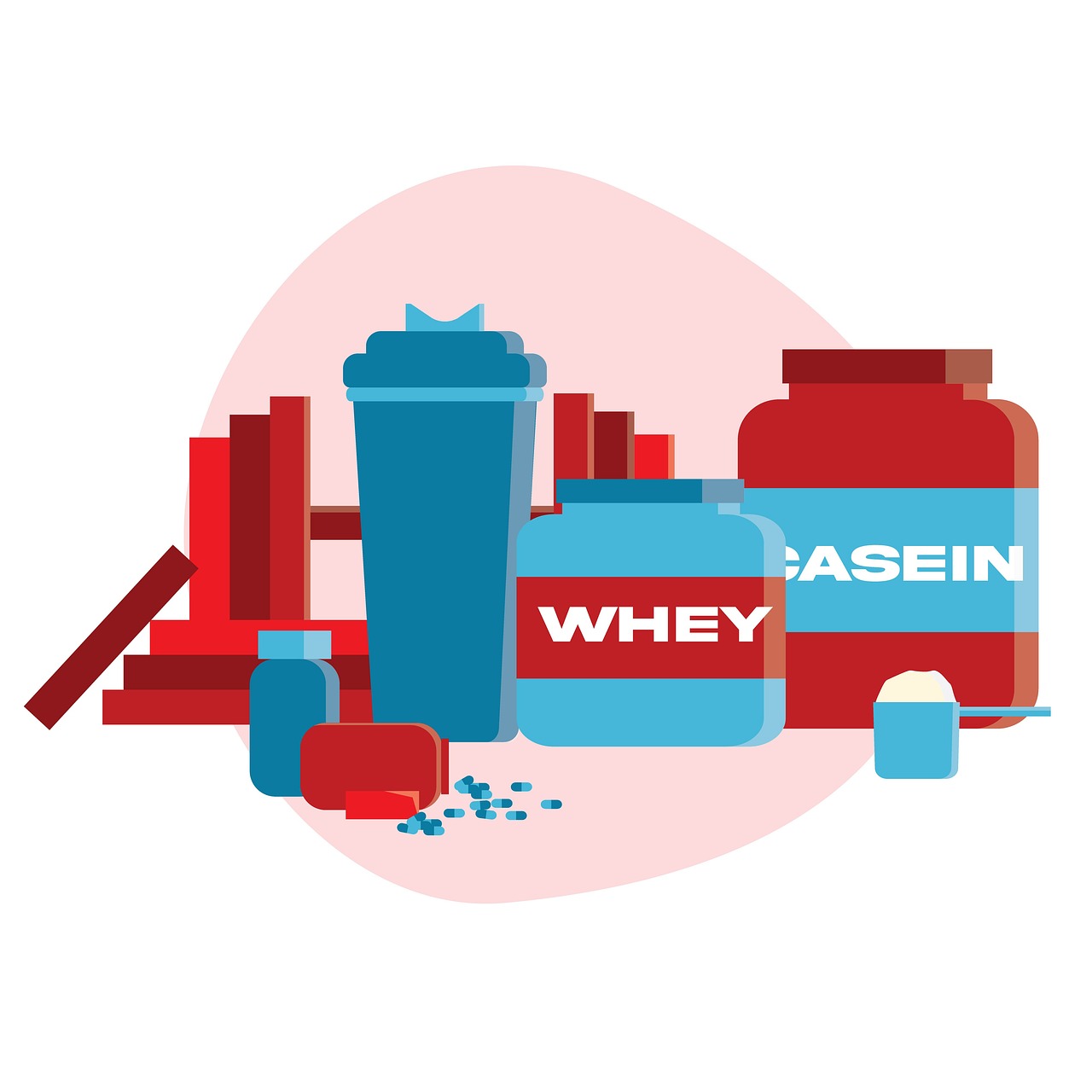
Understanding the potential benefits of specific supplements can further guide your choices. For instance, protein powder offers numerous benefits in muscle building and recovery. Various forms are available, such as whey, casein, and plant-based options like pea or rice protein. Each type varies in absorption rates and amino acid profiles, so choose one that aligns with your dietary preferences and goals. Creatine is another popular supplement among athletes, known for enhancing performance during high-intensity workouts. It increases muscle mass and energy, making it ideal for weightlifting and sprinting. Omega-3 fatty acids, commonly found in fish oil, support heart health and reduce inflammation. If your goal is to support overall wellness, consider incorporating omega-3 into your routine. Lastly, probiotics can benefit gut health, crucial for nutrient absorption and overall well-being. They can help balance good and bad bacteria, particularly if you’ve been on antibiotics recently. Each of these supplements offers unique advantages, so be sure you know why you’re integrating them into your regimen before making a purchase.
Choosing Quality Supplements
Not all supplements are created equal, which emphasizes the importance of choosing high-quality products. Begin your search by looking for supplements that have undergone third-party testing, which ensures their purity and potency. Reputable organizations, like NSF International or the US Pharmacopeia, typically conduct such tests. Brands adhering to Good Manufacturing Practices (GMP) reflect higher quality and compliance with safety standards. Familiarize yourself with ingredient sourcing and composition, as many products can contain fillers and allergens that may affect your health. Always read the labels to understand what you’re consuming. It’s advisable to avoid proprietary blends since they may not disclose the exact amount of each component. Look for transparency and clear information provided right on the product labels. Additionally, pay attention to expiration dates and storage instructions to maintain potency. Reading independent reviews can offer insights into others’ experiences with the product, and doing thorough research can mitigate risks associated with poor-quality supplements. Remember that higher costs do not automatically mean better quality; make informed choices based on reliable information.
It’s essential to recognize that taking supplements is not a magic solution for health or fitness goals. While they can provide benefits, they work best when combined with a positive lifestyle. Consuming a nutrient-dense diet rich in whole foods, like fruits, vegetables, whole grains, and healthy fats, remains the cornerstone of any health-driven endeavor. Regular exercise, adequate hydration, and sufficient sleep also contribute to overall health and fitness, diminishing the need for reliance on supplements. Overemphasis on supplements may lead to neglecting proper nutrition, a substantial error for anyone serious about fitness. Furthermore, some individuals may experience adverse reactions, allergies, or interactions with medications when introducing new supplements. Always introduce one supplement at a time to monitor individual reactions effectively. If you notice any negative side effects, discontinue use and consult a healthcare professional. The goal should be to enhance your well-being with the right tools while maintaining a balanced approach. Being well-informed creates a foundation for success, so approach supplementation as an integral piece of your overall fitness puzzle rather than the only component.
Conclusion
In conclusion, understanding supplements requires research and prudent decision-making for beginners. They can offer significant assistance when supplements are chosen to address specific dietary needs and fitness goals. As you start your journey, prioritize whole foods as the primary source of nutrients, and view supplements as a way to fill gaps. Assess your unique requirements before incorporating any products, and always prioritize quality. By focusing on credible brands and doing thorough research, you can avoid the pitfalls of misleading supplement claims. Remember the importance of consulting professionals who can guide you towards an informed path regarding your supplement use. As you explore the world of fitness and supplements, always maintain balance in your approach. Supplements can play a supportive role in your health regimen, but they should never take the place of nutritious food or healthy lifestyle practices. Embrace education and accountability as your cornerstones as you navigate your fitness journey. With the right understanding and approach to supplements, you can optimize your performance, health, and overall well-being.
Becoming a part of the fitness community opens the door to finding support and camaraderie in your pursuit of a healthier lifestyle. Engaging with individuals who share similar goals will provide encouragement and motivation along the way. Through the sharing of experiences, tips, and resources, you can gain valuable insights into the effective use of supplements and their role in fitness. Participating in local fitness groups or online forums can also facilitate knowledge exchange in a supportive environment. When you involve yourself with others who prioritize health, you will learn best practices and discover what works for different individuals. This collaborative space fosters growth and builds a sense of belonging, essential for maintaining motivation on challenging days. Staying accountable to others often helps in achieving personal fitness goals, lessening struggles with adherence. Lastly, remember that everyone’s journey is unique. Be open to learning but stay true to your specific needs and rhythms. Instead of feeling pressured by trends or popular opinions, focus on what fuels your passion for fitness and well-being, ensuring that you maximize your experience within the fitness community.