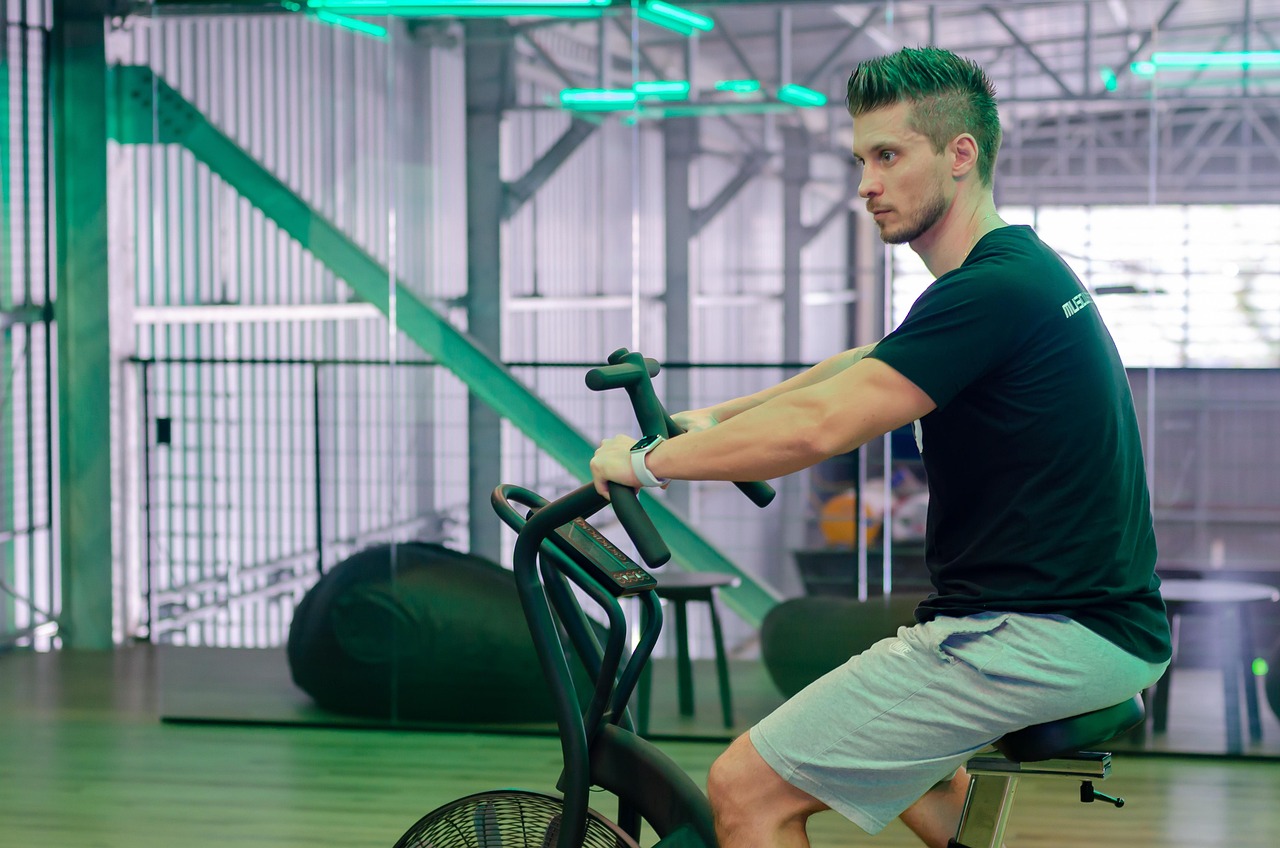

How to Use Spinning Classes to Enhance Your Recovery
Spinning classes can significantly enhance your recovery post-ride or workout by providing a controlled environment to ease stress on your muscles and joints. Recovery is essential for any athlete aiming to improve performance and prevent injuries. Participating in a spinning class contributes a number of benefits, specifically tailored to enhance muscle repair and relaxation. One of the primary advantages of spinning is its low-impact nature, which minimizes the risk of further strain on already fatigued muscles. Additionally, the incorporation of varied resistance levels allows for tailored workouts, ensuring that your recovery sessions can be as restorative as needed. Moreover, the rhythmic movement and steady pace help promote circulation and oxygen flow to your muscles, which is crucial during the recovery phase. The motivation from an instructor and the energy of a group environment also foster a more enjoyable experience, encouraging you to engage more fully in the recovery process. Proper hydration and nutrition combined with spinning can amplify recovery effects, allowing athletes to condition themselves efficiently while minimizing unwanted muscle soreness. This blend of aspects demonstrates why spinning has surged in popularity among recovery routines.
To further maximize the benefits of spinning classes, integrating specific recovery techniques can yield impressive results. Incorporating short, moderate sessions within your regular spinning schedule can significantly improve your body’s recovery abilities. These sessions should be aimed at maintaining a consistent heart rate, typically at about 60 to 70 percent of your maximum heart rate. This intensity is ideal for flushing out lactate build-up and helping your muscles to relax. Stretching before and after these sessions is equally essential to maintain flexibility and reduce post-exercise stiffness. Making use of foam rollers post-class can also alleviate muscle tension while promoting faster recovery. Furthermore, consider alternating between spinning classes and other low-impact activities like yoga or swimming to diversify your routine. This variation is critical for preventing overuse injuries while supporting overall wellness. Attendees should remember that recovery is a unique process for everyone, so listening to your body’s signals when participating in these classes can guide the ideal approach. Make this variation a regular practice in your spinning experience to yield optimum recovery progress while still enjoying the benefits of cycling.
Nutrition also plays a vital role when using spinning classes to enhance recovery. A well-balanced diet rich in carbohydrates and protein is essential for efficient recovery after intense spinning sessions. Carbohydrates help to replenish glycogen stores, which become depleted during longer rides or workouts, while protein is essential for muscle repair. Incorporating a post-spinning snack or meal within thirty minutes after class can greatly enhance recovery. Consider options such as smoothies packed with fruits, yogurt, and a protein source, or whole grain toast topped with nut butter. Likewise, hydration is paramount; fluids should be replenished after every workout to keep your body functioning optimally. Dehydration can hinder recovery and lead to a myriad of issues, including cramping and fatigue. Ensuring a balanced intake of vitamins and minerals is also crucial for maintaining overall health and supporting your body’s recovery efforts. Foods rich in antioxidants help reduce inflammation and muscle soreness, making fruit a great post-workout snack choice. Putting this all together establishes a holistic approach to ensure every spinning class you attend contributes meaningfully to your recovery. The fusion of appropriate nutrition with spinning workouts significantly facilitates a faster recovery.
Rest days are an often overlooked component of recovery; however, they are essential to optimizing performance in spinning classes. Scheduling intentional rest days allows your muscles to repair and grow stronger, accommodating the rigorous demands of cycling. While spinning is primarily low-impact, it still places stress on your body. Therefore, allowing adequate time for muscle repair can enhance your endurance and performance. On rest days, consider light activities such as leisurely walking or gentle yoga which can provide an active recovery, maintaining mobility without overstressing your muscles. A good practice is to listen to your body signals and incorporate this into your workout schedule. If you’re feeling fatigued or sore, it might be the perfect time to opt for a rest day. Tracking your activity levels and how you feel is an excellent strategy to inform when to take it easier. Furthermore, ensure you get quality sleep throughout your training cycle, as this is when most recovery happens. Sleep deprivation impairs recovery, affecting your next class performance. Making sure that rest days are intentional parts of your training program will lead you to maximize the impact of spin classes on your recovery.
The mental aspect of recovery can also be impacted positively through attending spinning classes. Exercise, including spinning, releases endorphins, which are hormones that boost your mood and contribute to overall feelings of well-being. This mental uplift can help in overcoming the psychological barriers that often come with rigorous training schedules. In a spinning class, the combination of upbeat music and energetic instructors creates an environment that fosters not just physical recovery, but emotional rejuvenation. Engaging with peers in class can also stimulate motivation and accountability, promoting a supportive culture for recovery. This shared experience can alleviate stress and aid in mental recovery. Additionally, spinning sessions can serve as a form of meditation for some individuals; focusing solely on the rhythm of pedaling allows you to clear the mind and let go of daily stresses. It’s essential not only to recover physically but also to nurture mental health as it correlates strongly with performance. Incorporating fun into your recovery through thrilling spinning classes amplifies the overall benefits of cycling, making it a powerful tool for both physical and emotional rejuvenation.
Integrating technology into your spinning routine can further optimize recovery after class. Wearable devices like fitness trackers and heart rate monitors provide valuable information about your performance during classes, offering feedback on effort levels and calories burned. This data lets you reflect on how hard you pushed during a session and helps adjust future classes to better aid your recovery. If you discover that you exerted too much effort during a recovery class, you can plan a lighter session next time. Moreover, there are various spinning apps and platforms that offer virtual classes, enabling you to take part in spinning workouts while tracking your performance from home. This option can increase accessibility to spinning as a recovery tool, making routine engagement more flexible. Comparing workouts over time can inspire growth and reinvigorate your motivation as well. Technology provides a platform to connect with other spinning enthusiasts online, sharing tips, and motivation related to recovery. Utilizing these technological advancements makes the experience more engaging, ensuring that spinning classes are not just a workout, but a comprehensive recovery journey. Maximize the potential of your recovery by embracing these tools.
In conclusion, using spinning classes enhances recovery and can easily fit into an athlete’s routine. The combination of low-impact exercise, nutritional considerations, active recovery days, mental health benefits, and the integration of technology forms a holistic approach that empowers cyclists to optimize their recovery. Engaging in regular spinning not only aids in physical recuperation but also addresses emotional and mental aspects, fostering a more sustained cycling career. This comprehensive approach solidifies the understanding that recovery is not simply an afterthought but an essential aspect of cycling and athletic performance. To maximize spinning’s benefits, emphasize nutrition and hydration, monitor effort levels, and ensure rest days. The choice to attend spinning classes presents an opportunity to evolve into more well-rounded athletes who prioritize their recovery as much as the rides themselves. Progressing from a spinning class boosts not only performance on the bike but also improves overall well-being. As you continue to engage in spinning sessions, remind yourself that each ride you take is a step forward in your recovery. By embedding these practices into your cycling regimen, you will surely witness impressive benefits in both performance and recovery.