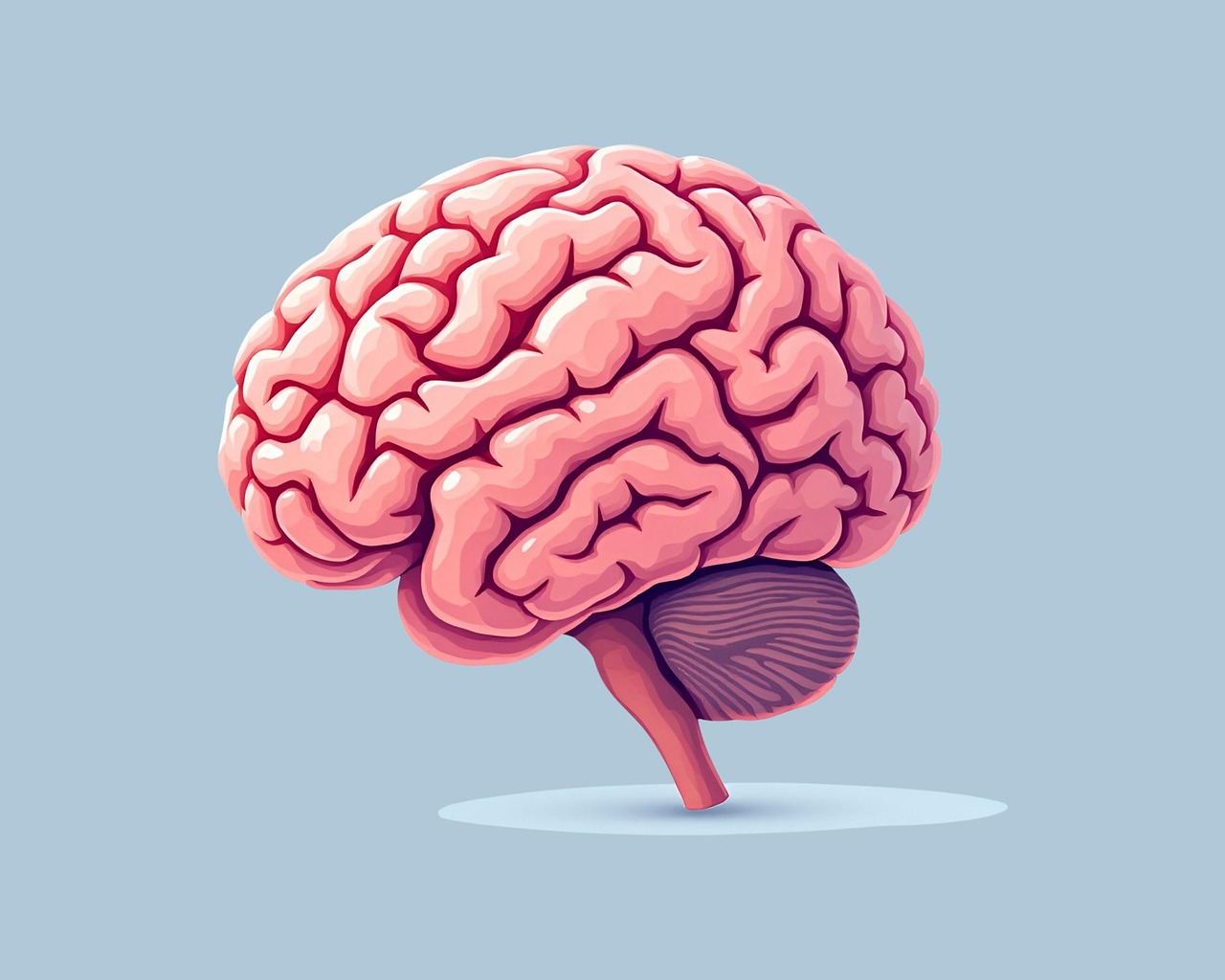

The Science Behind Music and Its Effects on the Nervous System
The connection between music and the nervous system is a multifaceted area of study that reveals profound insights into our emotional and physiological well-being. Music’s rhythms, melodies, and harmonies can stimulate various neurochemical responses that positively influence mood and cognition. Research suggests that listening to music can increase the levels of dopamine, a neurotransmitter associated with pleasure and reward, enhancing feelings of happiness and relaxation. Additionally, the release of endorphins during musical activities can provide relief from stress and anxiety. As music activates different regions of the brain, it connects us to our emotions more profoundly. Whether one engages in playing an instrument or listening to soothing melodies, these activities can alleviate symptoms associated with neurological disorders. Neuroplasticity, the brain’s ability to reorganize itself, can also be affected by musical training or exposure. Thus, music serves not only as a form of art but also as a therapeutic tool for mental health, providing avenues for healing and personal exploration.
Understanding Music Therapy
Music therapy is a therapeutic approach that harnesses the rich benefits of music to address both physical and psychological needs. In various clinical settings, qualified music therapists use musical interventions to enhance patients’ quality of life. These interventions include improvisation, composition, and active music-making, aiming to facilitate communication and expression. Particularly in the context of mental health, music therapy has shown significant results in managing conditions such as depression, anxiety, and PTSD. By fostering a safe environment for emotional expression, individuals can explore their feelings through music, often unearthing emotions that traditional forms of communication might overlook. Research indicates that music engages both hemispheres of the brain, providing a holistic approach to treatment while jointly improving emotional and cognitive functioning. Moreover, elements of music, such as tempo and rhythm, can also have physical effects, integrating the mind-body connection crucial in therapy settings. As awareness grows about its benefits, music therapy continues to gain acceptance and credibility within medical and psychological frameworks, providing a non-invasive supplement for healing processes.
The nervous system’s response to music is an intricate dance of emotions and sensations that reveal how deeply sound can resonate within us. This response is rooted in our biological makeup; music activates brain circuits that encompass emotional processing, memory, and motor function. It is fascinating to note how certain types of music can evoke specific emotional states, such as sorrow, joy, or nostalgia. For instance, listening to a calming symphony might reduce heart rate and blood pressure, while upbeat music can lead to increased energy and motivation. One of the remarkable elements of music is its timing and rhythm. These factors can synchronize with our biological rhythms, leading to entrainment, where our internal processes align with the external musical tempo. Such synchronization helps regulate physiological responses, thereby easing tension and promoting a sense of connectedness. As we explore the mechanisms behind these interactions, it becomes clear that music serves as both a mirror and a map of our internal states. It highlights the potential of sound as a tool for improving mental and physical health.
The Role of Neurotransmitters in Music Perception
Neurotransmitters play a crucial role in how music influences our nervous system. Dopamine, serotonin, and oxytocin are among the primary chemicals affected by musical stimuli. Dopamine, often dubbed the “feel-good” neurotransmitter, is released through pleasurable experiences, including listening to music we enjoy. This release contributes to the sensation of reward that motivates us to seek out that experience repeatedly. Serotonin levels are also linked to mood regulation; music can improve serotonin production, ultimately helping to stabilize mood and alleviate symptoms of depression. Furthermore, oxytocin, known as the bonding hormone, may increase following shared musical experiences, reinforcing social connections and promoting feelings of trust among individuals. This interplay of neurotransmitters illustrates how profound an impact music can have on our emotional health and social interactions. Moreover, understanding these neurochemical responses opens doors to further exploring the therapeutic applications of music, particularly in therapeutic settings. By actively engaging with music, we can unlock pathways to enhance emotional and psychological resilience.
Another striking aspect of the mind-body connection through music is its ability to evoke memories. This connection can be seen in patients with Alzheimer’s disease or other forms of dementia, where familiar songs or tunes can trigger recollections of the past, even when other memories are lost. Music’s link to memory is facilitated through the brain’s limbic system, which governs emotions and memory formation. Engaging with music can stimulate activities of the hippocampus, potentially assisting in memory recall even after significant cognitive decline. These effects highlight the potential of music in memory-related therapies, enabling healthcare providers to reach patients where traditional communication fails. By incorporating music into treatment plans, therapists can help in alleviating anxiety and increasing engagement among patients. Moreover, the integration of music can also foster a sense of identity, allowing individuals to connect with their personal history through songs that evoke powerful emotions. Through this profound relationship between melody and memory, music therapy offers innovative strategies for engaging with and treating cognitive impairments.
Music and Stress Reduction
While exploring music’s role in our lives, one cannot overlook its significant impact on stress reduction and relaxation. The sounds we choose to listen to play an integral part in managing our stress levels. Studies have shown that listening to calming music can activate the parasympathetic nervous system, promoting relaxation and diminishing stress hormones such as cortisol. The soothing effects of music work by creating a mental environment that promotes tranquility, enabling listeners to escape daily pressures. Engaging with music—whether through listening, playing an instrument, or singing—can also encourage mindfulness, as it draws attention away from racing thoughts and onto the present moment. The rhythmic patterns and harmonies can result in synchronization of brain waves, leading to reduced anxiety and increased feelings of well-being. Furthermore, the social aspects of music provide opportunities for bonding and connection, which further enhances stress-relief potential. As people gather in musical settings, they share experiences that bolster emotional regulation, promoting a sense of belonging and community. This collective experience can foster resilience to stressors in everyday life.
The exploration of music’s effects on the nervous system opens a window into understanding human experience and connection. As scientific research delves deeper into why music resonates with us, it highlights pathways to enhance our emotional and physical well-being. The multilayered interactions between sound and the body reveal how integrated music is within healing processes, bridging the gap between body and mind. Personal experiences with music—be it joyful, sad, or inspiring—underscore its dynamism, making it a versatile tool for self-expression and healing. Research continues to examine how music therapy can be systematically integrated into various medical and psychological practices, demonstrating its capabilities in addressing a broad spectrum of conditions, including anxiety, depression, chronic pain, and more. As we embrace this understanding, the future of interdisciplinary approaches combining music with conventional practices holds great promise, pushing boundaries in both therapy and personal development. In essence, music transcends mere sound; it possesses the power to heal, elevate, and connect individuals to the world around them, streamlining our journey towards mental and emotional wellness.
Conclusion
In conclusion, the intricate relationship between music and the nervous system showcases the profound impact of sound on our mental and emotional health. Music therapy has established itself as a credible intervention that leverages the power of music to promote healing across various demographics. As science increasingly validates the therapeutic benefits of music, it opens new doors for integrating musical practices into healthcare settings. The understanding of neurochemicals involved in musical perception and memory emphasizes the potential for tailored interventions to meet individual needs. Every interaction with music, therefore, becomes a meaningful encounter that shapes our experiences, ultimately leading us toward enhanced self-awareness and emotional resilience. By nurturing this mind-body connection through music, individuals can embark on paths toward well-being and recovery. Artists can significantly contribute to this notion by taking the initiative to engage broader communities through music. As we move forward, the commitment to harnessing musical interactions could lead to innovative mental health solutions, fostering a more holistic approach to therapy that respects the complex human experience and the healing power of creativity.