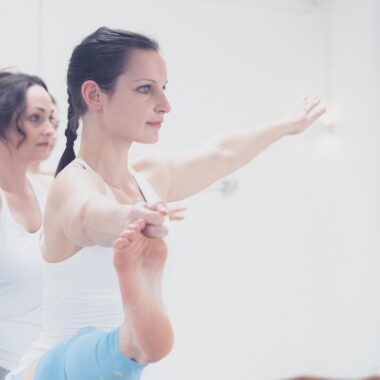

Flexibility Enhancements for Improved Athletic Recovery
Flexibility training plays a crucial role in enhancing athletic performance and recovery. By incorporating flexibility workouts into your routine, athletes can significantly improve their range of motion and ensure their muscles recover effectively. Flexibility training allows for optimal muscle lengthening, reducing the risk of strains and injuries. Athletes who prioritize flexibility training often notice a marked improvement not only in their overall performance but also in their post-exercise recovery times. This practice merges stretching techniques such as static stretching, dynamic stretching, and PNF stretching, each contributing unique benefits. Static stretching increases muscle elasticity, while dynamic stretching helps prime muscles for activity. PNF stretching allows athletes to push their limits gradually, maximizing flexibility potential. It’s essential to focus on major muscle groups to prevent imbalances. The right program can lead to increased blood flow and circulation, which further supports muscle recovery and nutrient delivery. Including flexibility training into your weekly workout regimen may also assist in enhancing overall well-being and relaxation. Remember to listen to your body and avoid overstretching, which can lead to injury instead of recovery. Regularly improving flexibility can turn every workout into a more productive session.
Benefits of Flexibility Training
There are numerous benefits of adopting a flexibility training routine that can elevate athletic performance and support recovery. First and foremost, greater flexibility allows for a more extensive range of motion in joints, which can improve explosiveness and agility during athletic events. Enhanced flexibility can lead to better balance and coordination, factors that usually contribute to an athlete’s overall effectiveness. As muscle tension decreases and flexibility improves, athletes often see increased speed and power during their respective sports, enabling them to outpace competitors. Not only does this training stimulate muscle recovery, but it can also reduce post-exercise soreness, making the next workout more bearable. Athletes who engage in consistent flexibility training often experience heightened relaxation and decreased stress levels, subsequently fostering a more positive mindset. By incorporating stretching routines and emphasizing the importance of warm-ups and cooldowns, athletes can create habits that lead to improved performance. Psychological benefits also arise from improved flexibility, as athletes find themselves more confident in their physical abilities. In summary, the advantages of integrating flexibility workouts into training are profound, positively impacting both immediate athletic performance and long-term health.
Flexibility training directly contributes to muscle recovery through various physiological mechanisms. When muscles undergo intense workouts, microscopic tears occur, which are essential for muscle growth but can lead to soreness. Engaging in flexibility training post-exercise helps in alleviating this soreness by promoting effective circulation. Enhanced blood flow brings essential nutrients to the muscles, flushing out metabolic waste products such as lactic acid. This process accelerates recovery, allowing the athlete to return to peak performance quickly. Moreover, stretching can alleviate muscle tightness, a common issue after rigorous workouts, which might inhibit an athlete’s ability to perform correctly. By improving the soft tissue quality and enhancing elasticity, athletes can maintain their muscle health in a sustainable manner. Effective recovery ensures that peak performance levels are maintained throughout training cycles, which can ultimately result in improved athletic achievements. Flexibility training serves as a means of maintaining muscle length and flexibility over time, ensuring that athletes continue to reap the performance benefits throughout their careers. Therefore, prioritizing flexibility within workout regimes is key to fostering not just short-term recovery, but sustained athletic excellence.
Incorporating specific stretching techniques can vastly improve flexibility and recovery. Static stretching involves holding a stretch for extended periods, typically around 15 to 30 seconds. This method helps improve overall muscle flexibility and can be a comforting way to cool down at the end of a workout session. Dynamic stretching, on the other hand, takes place before workouts, preparing the muscles and joints for movement through controlled motions. These dynamic movements can enhance blood flow, facilitating better nutrient delivery and reducing the risk of injury. PNF stretching, or proprioceptive neuromuscular facilitation, combines passive stretching with isometric contractions, often yielding significant increases in flexibility. Combining these various techniques in a strategic manner leads to superior results. To maximize the effectiveness of flexibility training, consistency is crucial; dedicating time to these practices regularly can result in long-lasting gains. Athletes are encouraged to create a structured routine focusing on specific target areas. By doing this, one can develop greater self-awareness about body limitations and areas requiring improvement. This type of structured flexibility training is essential for elevating both performance and recovery outcomes, promoting a more well-rounded athletic experience.
Flexibility training can be particularly beneficial in preventing injuries that inhibit athletic progress. Many athletes face injuries due to tight muscles and joints or improper movement patterns that put undue stress on the body. Regular stretches soften tissues, thereby improving the body’s ability to withstand intense physical activity. Increased flexibility helps stabilize joints, providing greater support during rapid or complex movements common in various sports. Thus, incorporating flexibility training into a comprehensive workout strategy ensures that athletes possess the resilience necessary for optimum physical performance. The integration of flexibility routines into strength and conditioning programs has been shown to create a synergistic effect, enhancing both the efficacy of strength training and the healing process. Emphasizing flexibility throughout an athlete’s journey can equip them with tools to maintain peak performance and longevity within their sport. This not only enhances enjoyment but also promotes overall health and well-being. It is vital for athletes to recognize flexibility’s role in injury prevention, making it an indispensable aspect of any training plan. By fostering a proactive approach towards flexibility, athletes can remain competitive and healthy over time.
Enhancing flexibility significantly contributes to better physical and mental health. Through improved flexibility, athletes can better manage physical stress and recover with greater efficiency, leading to enhanced performance during competitions. Moreover, adopting flexibility training creates a foundation for a more balanced fitness routine. Improved flexibility fosters an environment conducive to achieving personal athletic goals while minimizing discouraging setbacks caused by injuries. The sheer act of stretching can contribute to a more mindful approach to fitness, as individuals become more attuned to their body dynamics. Furthermore, each stretch can promote relaxation, countering high-stress levels athletes may face due to rigorous training schedules or competitions. As those involved in sports become more relaxed, they may also find a reduction in anxiety levels related to performance. This holistic approach fosters not only physical resilience but also mental fortitude in the face of challenges. The blend of physical and mental benefits associated with flexibility training can create a well-rounded athlete prepared for various physical and psychological demands. Consider developing a personalized flexibility regime that addresses individual needs, ultimately empowering athletes on their path towards success.
In conclusion, the integration of flexibility training into athletic routines can yield substantial benefits for both performance and recovery. Flexibility training promotes a comprehensive approach to health by enhancing muscle elasticity, decreasing injury risk, and fostering resilience. Regardless of the chosen sport, athletes should recognize that investing time in flexibility training equates to investing in their longevity and success in the sporting world. A carefully structured flexibility program, consisting of various techniques tailored to individual needs, can create optimal conditions for improvement. This proactive approach enables athletes to maintain their competitive edge while prioritizing their overall health. The insights shared in this article highlight the profound impact that flexibility can have on sports performance. Casual athletes and elite performers alike must appreciate and embrace flexibility training as a vital component of their fitness journey. As more athletes implement these strategies, the respective sports will see increased levels of success alongside improved health. Therefore, the continuous advocacy for flexibility training in athletic communities is essential towards nurturing future generations of empowered athletes who thrive in their physical endeavors.