
Stress Reduction and Cardiovascular Exercise: A Perfect Pair
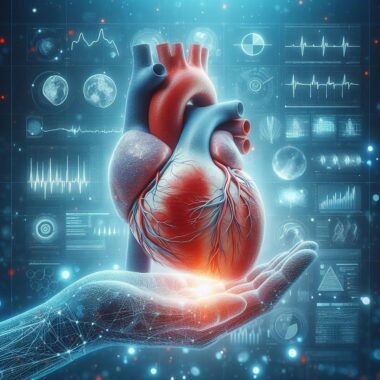
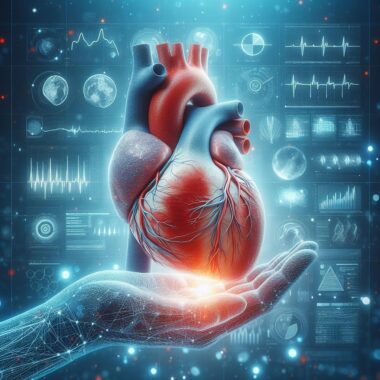
Cardiovascular exercise offers incredible benefits to various aspects of our health, particularly in managing stress levels. The body responds to physical activity by releasing endorphins, which act as natural mood lifters. When individuals engage in cardiovascular training such as running, cycling, or swimming, they often report a significant decrease in anxiety and feelings of depression. Stress can lead to a plethora of health issues, including heart disease and high blood pressure. Regular cardiovascular activity mitigates these risks by improving circulation and enhancing overall heart health. Therefore, cardiovascular exercise not only fosters physical strength and endurance but also contributes significantly to emotional well-being. Alongside these benefits, individuals can experience enhanced sleep quality, which is crucial for managing stress. Many people find that even a short burst of cardiovascular exercise in the morning can set a positive tone for the day. By incorporating these exercises into a daily routine, individuals can develop mechanisms to combat stress effectively. Consistency is essential to this process for maximizing the positive effects on both physical and mental health. Over time, small changes can lead to profound differences in stress management and overall wellness.
As stress continues to become an ever-present challenge in our modern lives, it becomes vital to discover effective ways to overcome its impacts. One way to combat this issue is through engaging in cardiovascular training, which not only strengthens the heart but also provides powerful mental health benefits. Exercise tends to divert attention from daily stressors, allowing a much-needed escape from concerns that plague one’s mind. This form of training can include a wide array of activities done at various intensities for diverse durations. Whether it’s brisk walking, dancing, or participating in sports, any form of cardiovascular exercise can help reduce stress effectively. In fact, studies indicate that regular aerobic activity can lead to improved mood and a reduction in stress hormones such as cortisol. Combining cardiovascular routines with breathing exercises or mindfulness techniques may enhance relaxation and provide even greater stress relief. Many trainers and wellness experts emphasize the importance of finding enjoyable forms of exercise, encouraging individuals to explore various activities to see what resonates best. Tailoring cardiovascular workouts to individual preferences ultimately promotes long-term adherence, which is essential for sustainable stress management.
The Science Behind Stress and Cardiovascular Health
Scientific research continually highlights the vital connection between cardiovascular health and stress reduction. Regular engagement in cardiovascular exercise stimulates blood flow, delivering oxygen and nutrients to various body parts. This improved circulation not only benefits overall health but also accelerates the process of stress relief. During physical activity, neurotransmitters and hormones, such as dopamine and serotonin, are released, which may alleviate feelings of stress and anxiety. Individuals may feel a sense of accomplishment after meeting fitness goals, thereby enhancing self-esteem and confidence. Such feelings serve as powerful antidotes to stress and anxiety. Furthermore, engaging in group activities such as team sports or fitness classes often fosters social connections, reducing feelings of isolation. This social interaction is crucial as it can provide emotional support while further alleviating stress. Exploring different cardiovascular activities may lead to newfound friendships, further enhancing mental health benefits. Integrating this social aspect into fitness routines may empower individuals to share their experiences and challenges while in pursuit of wellness. Numerous resources, such as local gym listings and community boards, can help establish connections, making stress reduction a shared journey.
Another key benefit of cardiovascular exercise is its potential to help combat chronic stress in the long run. In instances where stress becomes habitual, incorporating continuous cardiovascular training into a daily routine can induce significant changes to the body’s stress response system. Regular exercise helps regulate the body’s stress hormones, particularly cortisol levels. It also enhances the body’s ability to quickly return to a relaxed state after experiencing stress. Individuals who lead an active lifestyle may discover that they have improved resilience in stressful situations, effectively navigating challenges without succumbing to anxiety or overwhelm. This increased ability to manage stress over time highlights the protective effects of consistent cardiovascular training. By establishing a regular exercise schedule, individuals can work toward promoting lasting changes in both mental and physical health. It is important to maintain variety in cardiovascular activities, seeking new exercises, locations, and formats to keep motivation levels high while preventing boredom. These shifts can reignite passion for workouts, making it easier for individuals to stay committed to an active lifestyle that fosters stress reduction and overall well-being.
Practical Tips for Implementing Cardiovascular Training
Implementing cardiovascular training into daily routines can be straightforward and enjoyable with the right approach. First and foremost, setting realistic and attainable fitness goals is essential. This could include walking for a specific duration each day or gradually increasing running distances. Having a clear vision can keep motivation alive, helping individuals stay focused on their potential benefits. Secondly, it is beneficial to engage in activities that one genuinely enjoys; whether dancing, swimming, or cycling, finding pleasure in workouts enhances adherence. Mixing social interactions with fitness efforts can further amplify enjoyment, encouraging community participation. Additionally, tracking progress through journals or apps can provide a sense of accomplishment, allowing individuals to reflect on their achievements in real time. Establishing a consistent routine also plays a critical role. By scheduling workout sessions around personal priorities, individuals can ensure they make time for stress-reducing activities. Finally, pair cardiovascular training with a balanced diet and proper hydration, as both elements contribute to energy levels and enhance the overall impact of workouts. Combining these strategies can set a solid foundation for sustainable cardiovascular practice and lasting stress relief.
Many people overlook the long-term benefits of cardiovascular exercise in mitigating stress. Exploring these advantages can lead to healthier perspectives on wellness journeys. Over time, individuals may come to realize that fitness is not solely about aesthetics or performance. Indeed, cardiovascular training serves as a powerful tool for emotional management, contributing significantly to mental health. As the body adapts to regular exercise, individuals typically experience increased energy levels, greater stamina, and improved overall mood. These changes can create a positive feedback loop, inspiring further engagement in physical activity while promoting resilience against life’s challenges. As feelings of stress arise, individuals may find solace in entertaining the prospect of cardiovascular training as a beneficial outlet. Developing a unique fitness identity can be liberating, allowing individuals to embrace their journey without guilt or comparison. This holistic approach then seamlessly weaves itself into daily life, turning exercise into a rewarding experience rather than a chore. Ultimately, nurturing this conceptual shift plays a critical role in guaranteeing long-lasting stress management and a healthier, happier lifestyle.
Conclusion: Embrace Cardiovascular Training for Stress Relief
In conclusion, the synergy between cardiovascular exercise and stress management is undeniable. Engaging in regular cardiovascular training helps individuals manage both stress and anxiety effectively while cultivating improved overall health. The interplay between physical activity, mental well-being, and social connection provides a robust framework for stress reduction. Aspiring to incorporate various cardiovascular activities enriches experiences while promoting long-term adherence and enjoyment in fitness routines. By understanding the myriad of benefits that cardiovascular training can provide, individuals can empower themselves to develop healthier coping mechanisms in the face of stress. Essentially, investing time in cardiovascular training equates to investing in personal well-being and resilience. Creating constructive habits, such as joining fitness communities or exercising with friends, fosters deeper connections while simultaneously enhancing emotional health. This article serves as a reminder of the transformative power that stress-reducing activities can wield, encouraging readers to explore the many ways cardiovascular training can positively impact their lives. As you continue your fitness journey, remember to prioritize enjoyment and sustainability to cultivate a balanced long-term approach that allows for endless opportunities to thrive amidst daily challenges.
Ultimately, the true essence of embracing cardiovascular training lies in the joy of movement and empowerment over one’s well-being. Fostering a unique relationship with physical activity enables individuals to take charge of their health efficiently while finding satisfaction in the process. If you haven’t embarked on your cardiovascular journey yet, now is the perfect time. Experiment with various forms of exercise, inviting fun and exploration into your life. Start with simple routines and progressively challenge yourself to keep things exciting. Whether you join a running club, hit the gym, or dance at home, every bit of activity contributes to reducing stress and enhancing overall health. Make a commitment to discover what motivates you, embracing it fully on this journey towards fitness and wellness success. Remember, the cumulative effects of regular cardiovascular exercise will lead to better stress management, improved emotional balance, and a vibrant life. Together, let’s prioritize our health, nurture our minds, and create a world where cardiovascular training becomes synonymous with stress resilience. Cherish each step taken towards improved wellness and encourage others to seek similar paths, spreading joy and health throughout our communities.