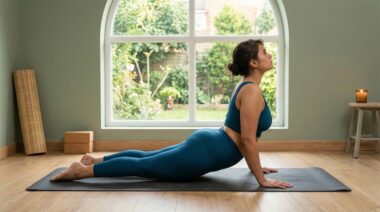

Mind-Body Connection: Flexibility and Emotional Well-being
The connection between your body and mind is profound, particularly when it comes to flexibility training. As you engage in stretching and flexibility exercises, you’re not just improving physical capabilities; you’re also fostering mental well-being. Research indicates that incorporating flexibility training into daily routines can lead to a reduction in stress and an enhancement in mood. These exercises promote relaxation and can be a soothing practice, allowing you to clear your mind. Furthermore, the ability to move with ease can also improve overall body awareness, leading to a more positive self-image. One major aspect of flexibility training is yoga, which combines breathing techniques with poses that improve flexibility while also promoting mental clarity. This mind-body connection is crucial, as emotional well-being is often tied to physical capability. Not only does flexibility training help alleviate muscle tension, but it also encourages a healthier mental outlook. The psychological benefits compound over time, transforming not just the body but also the emotional state of the individual, leading to overall enhancement in quality of life.
Flexibility training has significant impacts on emotional health. Engaging regularly in stretching can alleviate symptoms of anxiety and depression. Stretching releases endorphins, which are the body’s natural feel-good hormones. This chemical reaction can help lift a person’s mood, serving as a powerful antidote to the challenges of daily life. Moreover, mindfulness often accompanies flexibility exercises, where you remain in the moment, focusing on your breath and the sensations in your body. This practice reduces negative thinking, enhancing emotional resilience. When the body feels good, the mind follows suit, often resulting in a positive feedback loop. Incorporating flexibility routines into your day can equate to taking small breaks, which help reset your emotional state. By cultivating a practice of stretching, you’re not only making yourself physically more agile but also mentally more capable of handling stress. An effective routine can include simple stretches you can perform at home or in the office, ensuring comfort and accessibility. Making it a continuous habit can create boundless potential for emotional healing as you forge a stronger connection between mind and body.
To reap the benefits of flexibility training, setting achievable goals is crucial. Start with simple movements that resonate with your current level of flexibility, gradually enhancing your range over time. A fantastic way to monitor progress is through journaling or utilizing apps that track your routines. These tools allow for reflective practice, creating a space for you to acknowledge the mind-body transformations taking place. Visualizing this journey encourages persistence, emphasizing the emotional gains alongside physical improvements. With continued practice, not only do muscles adapt and lengthen, but mental clarity also flourishes. You might find yourself feeling lighter and more capable of addressing daily challenges with a more positive attitude. Another beneficial method is participating in group classes that incorporate flexibility training. The social aspect can enrich your experience, allowing you to share emotions and benefits with others. Having a support system can heighten the accountability factor, keeping you on track with your goals. Flexibility training doesn’t solely enhance your physicality, but it also fosters emotional bonds with like-minded individuals pursuing similar journeys, making the path to emotional well-being much more enjoyable.
Creating a Mindfulness Routine
Establishing a mindfulness routine can significantly enhance the mental benefits derived from flexibility training. Mindfulness involves being present in the moment, lending focus to both physical movements and breathing. Practicing mindfulness in conjunction with stretching exercises elevates awareness, enabling you to interpret bodily sensations and emotional responses clearly. Consider initiating your routine with a few minutes of deep breathing to center yourself. Gradually, progress into gentle stretches that coincide with your breath, fostering a calming rhythm. This union of breath and movement promotes emotional tranquility, reducing feelings of anxiety. As your body becomes accustomed to these practices, emotional stability tends to follow. You may notice enhancements in your ability to respond to stress and challenges as flexibility and emotional resilience improve in tandem. Daily dedication to such mindfulness practices not only aids in achieving physical flexibility but also supports mental clarity and emotional health. The transformation is often profound, with practitioners describing a sense of unity and calmness in both body and mind after sessions. These benefits encourage long-term commitment and can be pivotal in maintaining a balanced emotional landscape.
The incorporation of flexibility training in daily life can extend into various lifestyle practices, further enriching emotional well-being. Activities like Pilates and yoga are fundamentally designed for enhancing flexibility while promoting a deep sense of relaxation. These structured approaches boost mental clarity, raising awareness of how you carry stress and tension within your body. As you engage in these practices, pay attention to the emotional releases that occur. Allow yourself the freedom to feel each emotion without judgment. This practice often leads to breakthroughs in understanding personal emotional blocks and facilitates healing. The subtle art of flowing through movements teaches the importance of surrendering, both physically and emotionally. Moreover, adding elements like visualization during routines can enhance your mindset, promoting positivity. Create mental images of stressors dissolving, making room for health and happiness. Incorporating music or guided imagery during practice can further deepen this experience, amplifying the emotional benefits. Remember that the journey towards flexibility is as important as the destination, intertwining lessons learned about resilience, strength, and emotional growth that stay with you long after the session ends.
Overcoming Emotional Blocks
Flexibility training is a powerful tool for overcoming emotional blocks. Emotional restrictions often manifest as physical tightness in the body, a sign indicating unresolved feelings or tension. Engaging in dedicated flexibility routines can help release these pent-up emotions, leading to a cathartic experience. It is essential to approach this process gradually;, depending on the individual’s unique needs and emotional state, modify stretches to suit personal comfort levels. This adaptability ensures a safe environment in which you can explore your emotional landscape. The process of unwinding physically through stretching provides a way to simultaneously unwrap emotional layers. Encountering challenging emotions can serve as a stepping stone to personal growth, and flexibly bridging the body-mind connection is foundational. Strategies such as breath work during stretches can facilitate this process, encouraging emotional breakthroughs while promoting relaxation. Consistency is key; give yourself grace and time to experience shifts. The evolution through flexibility training leads to increased body awareness, an essential element for navigating complex emotions. When anxiety during the practice arises, remember that it’s all part of the journey in achieving emotional freedom and clarity.
Ultimately, the synergy created by flexibility training and emotional well-being is remarkable. It’s a harmonious dance that benefits both body and spirit. Through targeted practices, you develop not only physical resilience but also emotional intelligence. A deeper understanding of how your body reacts to various stressors can significantly change how you approach life challenges. When your body feels loose and unrestricted, your mind mirrors this freedom by reacting less negatively to stress. Embracing a lifestyle where flexibility training plays a vital role becomes a commitment to self-care. Listening to your body while attending to emotional cues creates a balanced approach to life’s complexities. Flexibility encourages acceptance, creating room for growth and healing. Empowering yourself through these practices provides fertile ground for joy and positive mental health. Regular engagement in flexibility routines can lead to improved self-esteem, paving the way for personal transformations. Exercise serves as an extension, not a replacement, of emotional work, harmonizing the lessons learned through mind and body training. This approach nurtures a mindset geared towards an emotionally rich and fulfilling life.
In conclusion, acknowledging the profound impact flexibility training has on mental well-being is essential. It offers a multi-faceted approach to emotional health through physical movement. The direct benefits extend into emotional resilience, stress management, and overall life satisfaction. Becoming aware of the interconnectedness between flexibility and emotional wellness can inspire personal growth and self-discovery. Implementing flexibility routines into daily life cultivates an enriched lifestyle that values both physical and emotional health. Engaging in regular stretching brings about awareness of bodily signals and emotions, empowering individuals to navigate stressors with grace. The encouraging environment created through encouragement or classes often pushes people to confront deeper emotional layers. Regular practices establish a foundation for emotional healing, and individuals understand that the path to flexibility is equally significant. It’s about creating a life where you feel connected to your body while honoring your emotional health. As you strive for balance, remember that this daily commitment is an investment in a fulfilling and emotionally sound life. By valuing both mind and body, you enhance the quality of your overall well-being in a holistic and sustainable way.