
Flexibility as a Foundation for Mental Balance
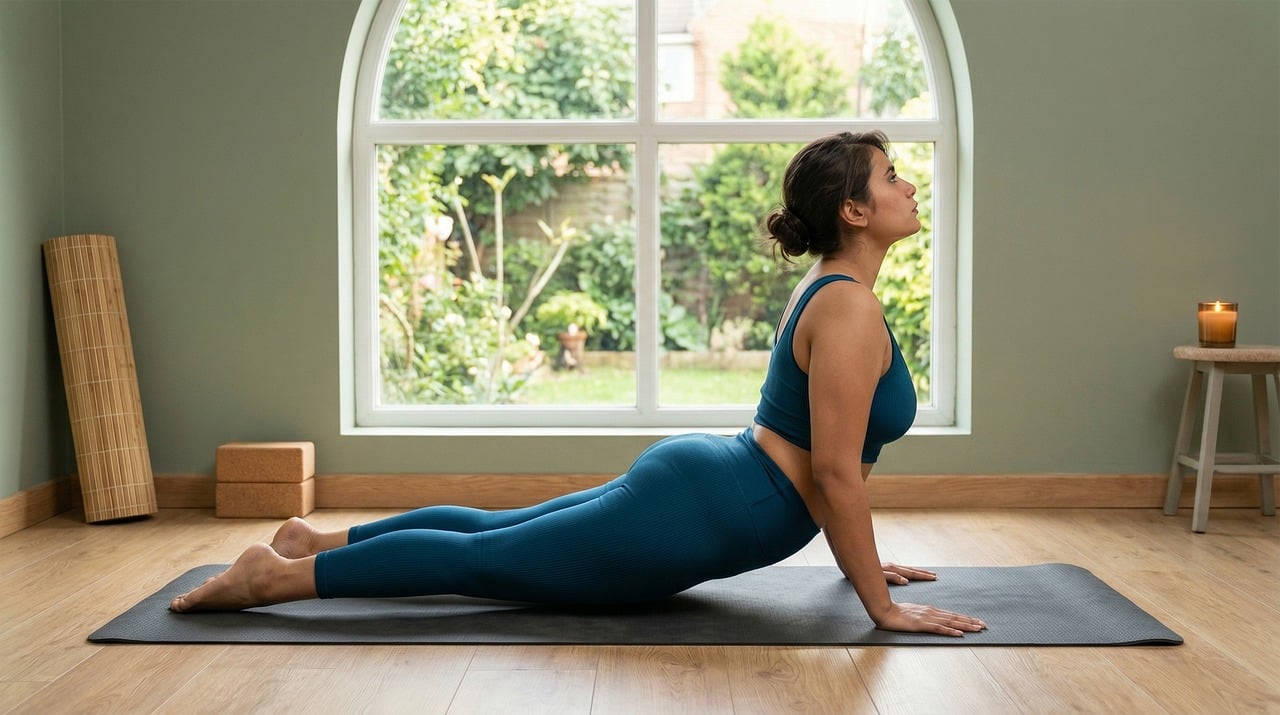
Flexibility training goes beyond physical benefits; it significantly impacts mental well-being. Engaging in flexibility exercises can reduce symptoms of stress and anxiety. When you stretch, your body releases endorphins, which are hormones that act as natural painkillers and mood elevators. Improved flexibility can also enhance circulation, allowing for better oxygen flow to the brain. This increased blood flow helps in maintaining clarity and focus. Moreover, incorporating a consistent flexibility routine can create a meditative effect, deepening your connection to your body.Regular practice aids in mindfulness and promotes emotional stability. You may find that the time spent stretching can be a welcome retreat from daily pressures. Furthermore, flexibility training can contribute to greater self-discipline, as setting aside time for this practice requires commitment. This discipline can translate into other aspects of life, promoting a balanced mindset. For those facing challenges like tension and anxiety, flexibility training can serve as a valuable tool. Consistency and patience are key, making it essential to create a routine that encourages regular practice.
The mental benefits derived from flexibility training extend to emotional health. When you practice stretching, your body responds by releasing tension built up during stressful periods. This release can lead to a noticeable sense of calm and relaxation. For many, a simple stretching routine can act as a form of therapy, allowing emotions to flow more freely. This emotional freedom facilitates better communication with oneself and with others, enhancing interpersonal relationships. As you become aware of how your body feels, you may find that negative thoughts and feelings have less power over you. Moreover, flexibility helps in alleviating physical discomfort, which can often contribute to mental unease. Incorporating balance exercises alongside stretching also promotes core strength, which supports overall physical stability. When you feel stable, both physically and emotionally, you are better equipped to face life’s challenges. Flexibility training can remind you that it’s okay to be gentle with yourself during tough times. Ultimately, the mind-body connection strengthened through flexibility fosters resilience. You develop a greater capacity to handle stress while maintaining an optimistic outlook on life.
Improved Focus and Concentration
Flexibility training aids in enhancing focus and concentration, key aspects of mental performance. When engaging in stretch routines, you become more aware of your body and its limitations, fostering a sense of presence. This heightened awareness can translate into the mental realm, allowing you to concentrate better on tasks at hand. Improved circulation from stretching exercises feeds your brain with the necessary oxygen to function optimally. Many individuals report that stretching breaks enhance productivity, enabling clearer thinking and better problem-solving. Moreover, dedicating time to a stretching routine can act as a form of stress relief, subsequently improving your mental focus. Setting aside moments to stretch helps clear mental clutter and refocus your thoughts. You might also find that flexibility training encourages breaks during long periods of sitting, which can adversely affect mental acuity. By integrating flexibility into your daily routine, you create a platform for enhanced cognitive function. Additionally, this practice can help mitigate distractions caused by stress and physical discomfort. Overall, flexibility not only improves your body but also creates a conducive environment for focus and concentration.
Beyond just focus, flexibility training can also enhance creativity. When you engage in stretching, your mind is given the opportunity to unwind and break free from conventional patterns of thinking. Many artists and professionals use physical movement to stimulate innovative ideas. Consequently, flexibility routines can serve as a powerful catalyst for creativity, letting ideas flow more freely. Allowing your body to move and stretch can also facilitate the release of rigid thought processes, encouraging a more open mindset. The calming effects of deep stretching can lead to moments of insight where unique solutions to problems emerge. Furthermore, flexibility training can enhance your ability to adapt to change. Just as your body learns to adjust to various stretches, your mind can become more adaptable to new situations and challenges. This adaptability fosters resilience, giving you the ability to bounce back from setbacks. Ultimately, incorporating flexibility into your lifestyle nurtures a mental space where creativity can thrive and new possibilities can emerge. In this increasingly complex world, nurturing creativity through physical practice is essential for personal and professional growth.
Stress Management Through Flexibility
Another significant mental benefit of flexibility training is stress management. Regular stretching can lead to the release of pent-up tension from both the body and mind. This stress relief can be crucial for those navigating demanding work environments or personal challenges. When you engage in flexibility training, your muscles loosen, and your mind follows suit, leading to a reduction in overall stress levels. Many people discover that integrating flexibility exercises into their daily routine helps in managing daily pressures more effectively. Moreover, stretching helps create a routine that prioritizes self-care, establishing a boundary against the chaos of daily life. When it becomes a regular practice, flexibility training acts as a protective measure for mental health. Additionally, a calm mind can lead to better decision-making, enabling you to approach problems with a more logical perspective. Regular self-care practices can also improve your resilience to stressors, enhancing your ability to cope with life’s challenges. Therefore, flexibility training should be considered a fundamental aspect of a holistic approach to mental health. Creating a stress-relieving ritual through stretching provides numerous mental health benefits.
Moreover, flexibility training enhances emotional resilience, an essential component for maintaining emotional health. When individuals experience challenges or setbacks, their ability to adapt emotionally can often determine their overall well-being. Flexibility exercise fosters a deeper connection with one’s body, allowing individuals to acknowledge and respond to their emotions more effectively. By letting go physically, individuals experience an emotional release that strengthens their emotional resilience. As you stretch, you create space for emotions to surface and process, leading to greater emotional awareness. This increased awareness can enhance your capacity to navigate life’s ups and downs adeptly. It emphasizes the importance of listening to one’s body as a gateway to understanding emotional health. Flexibility training thus cultivates a nurturing environment where emotional adaptation becomes possible rather than overwhelming. The gentle stretch serves as a reminder that just like our bodies, our emotions should be allowed to bend and adapt. This holistic approach to mental balance connects the physical benefits of flexibility to the emotional landscapes we navigate as humans. Understanding this connection between body and mind is crucial for comprehensive emotional health.
Creating a Mindful Routine
Establishing a mindful routine involving flexibility training can greatly enhance mental balance. Mindfulness practices encourage being present in the moment, allowing individuals to experience each stretch mindfully. By focusing on your breath and the sensations in your body, you can develop a greater appreciation for the present. You can enhance relaxation and clarity by approaching flexibility with a mindful attitude. Mindful stretching can also reduce anxiety, as it prevents your mind from wandering to stressors. This practice fosters a connection between your mind and body, leading to a more integrative approach to well-being. It encourages you to be more attuned to your physical and emotional state, promoting self-care. Creating a dedicated stretching time enhances your routine’s effectiveness, embedding it in daily life. When stretching becomes a priority, it establishes a mindful precedent for your day. You may also consider pairing flexibility exercises with meditation or breathing techniques for amplified benefits. Sparking this integration supports a comprehensive approach to mental and physical health. Thus, developing a mindful routine around flexibility training solidifies its role as a foundation for overall mental balance.
Lastly, outcomes from flexibility training can lead to improved sleep quality, which is essential for mental balance. When your body is more flexible, nighttime discomfort typically decreases, leading to better restorative sleep. Enhanced sleep quality has a direct correlation with improved mood, focus, and overall cognitive function. Additionally, the practices involved in flexibility training can promote relaxation, preparing your body for a restful night. Establishing a stretching routine before bed can help signal your brain that it’s time to unwind and rejuvenate. By fostering relaxation in both body and mind, you create an environment conducive to high-quality sleep. A regular stretching practice can also help mitigate insomnia symptoms by addressing physical tension that may keep you awake. Furthermore, better sleep can drastically influence how you process emotions, making you feel more balanced during waking hours. Adult life often presents challenges that demand resilience, making sleep especially crucial. Flexibility training, thus, not only cultivates physical adaptability but also serves as a key player in achieving mental stability. Combining these elements creates a holistic foundation for comprehensive mental health and well-being.