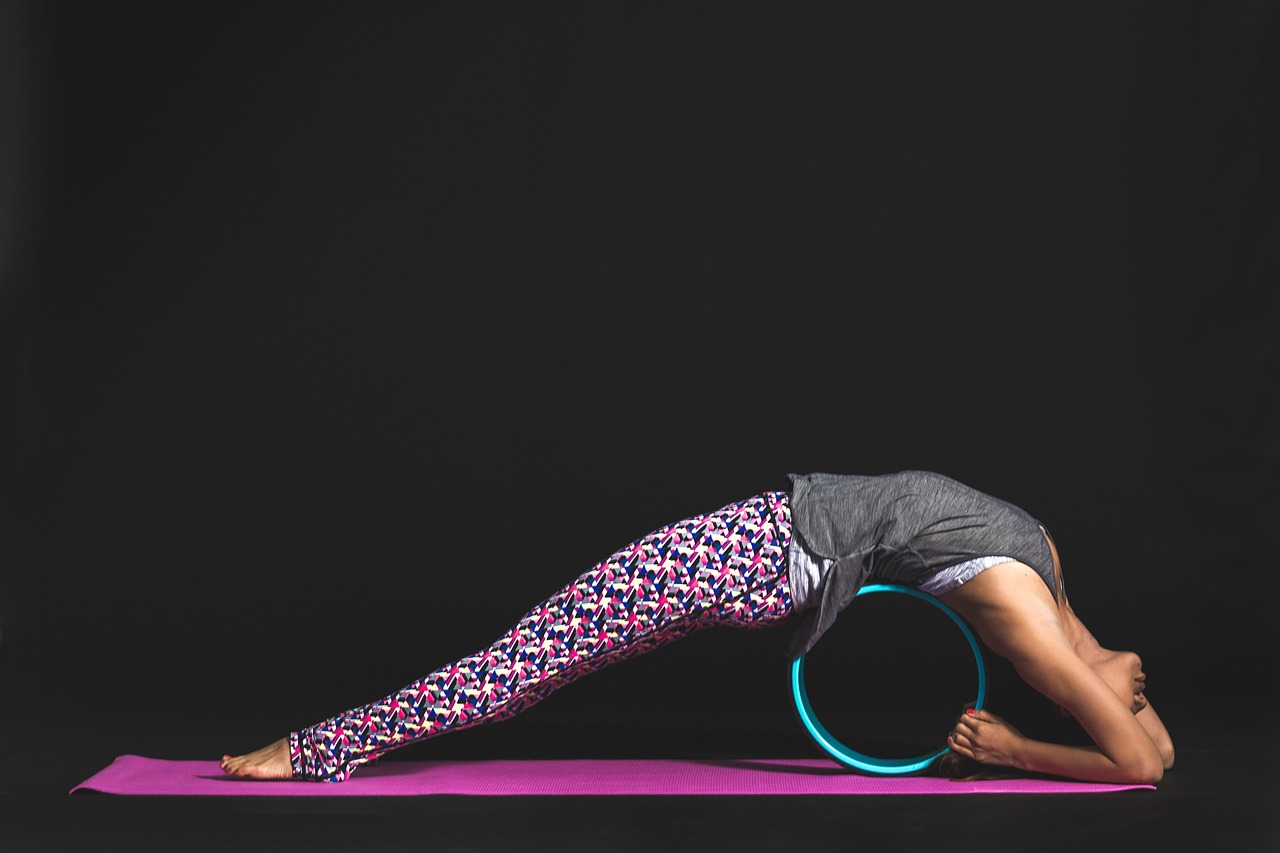

Incorporating Yoga into Your Postpartum Core Fitness Plan
After giving birth, many women focus on rebuilding core strength and overall fitness. Incorporating yoga can be highly beneficial during postpartum recovery. Yoga not only strengthens the core muscles but also enhances mental well-being significantly. Engaging in a structured yoga routine helps alleviate physical discomfort often experienced post-delivery. This holistic practice improves flexibility, balance, and muscle tone. Additionally, yoga fosters knowledge about one’s body, encouraging awareness of movement patterns and alignment. This mindfulness is essential for new mothers regarding core activation techniques. Yoga enhances the connection between mind and body postnatally. It provides space for personal reflection, emotional support, and the possibility of community with other postnatal mothers. Various styles of yoga, such as Hatha or Vinyasa, can be tailored to individual fitness levels, making it accessible. Always consult with a physician before starting new exercises to ensure safety. Proper alignment is crucial to avoid injuries and to reap the maximum benefits from the sessions. Combining traditional core strengthening with yoga can yield a comprehensive fitness plan that nurtures recovery effectively and establishes a solid foundation for future workouts.
The Benefits of Yoga for Core Strengthening
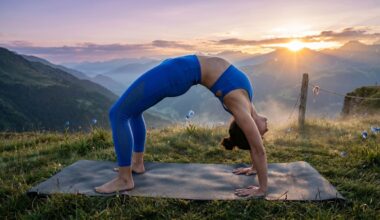
Yoga brings numerous benefits that specifically support core strengthening postpartum. Fundamental poses such as the Plank, Bridge, and Cat-Cow are incredibly effective when executed correctly. These poses engage the deep abdominal muscles, focusing on stabilizing the pelvis and lower back. This strengthening is vital for daily movements, especially lifting, bending, or carrying your newborn. Poses that encourage spinal alignment, like Mountain Pose and Downward Dog, help correct any postural imbalances that may arise after pregnancy. Moreover, practicing these asanas continually improves flexibility, which can often alleviate postpartum discomfort. Yoga also emphasizes controlled breathing, which reduces stress and enhances focus during practice. Incorporating meditation can further promote mental clarity, assisting mothers in managing the emotional challenges of postpartum life. Engaging in a regular yoga practice supports better sleep patterns, ultimately contributing to physical stamina. Additionally, yoga is an excellent way of connecting with your newly transformed body, fostering body positivity and acceptance. Always make the practice enjoyable, allowing space for rest and modification where necessary. This approach not only promotes a healthier core but also invests emotional health and awareness, benefiting overall postpartum recovery.
Finding time for your postpartum yoga practice may prove challenging with a newborn. However, incorporating shorter sessions spread throughout the day can make a significant difference. Start with simple stretches and breathing exercises that can be done while your baby sleeps or even while feeding them. This flexibility enhances your ability to meet your fitness goals without overwhelming yourself. Utilize online resources, such as yoga classes or tutorial videos, to access guided sessions catering specifically to postpartum needs. Make sure to choose routines designed for beginners to ensure proper posture and technique. Best practices include creating a dedicated practice space at home. Investing in yoga props like mats, blocks, or straps can significantly enhance your experience, ensuring comfort. Make your yoga practice a part of daily life, such as inviting your baby onto the mat for added enjoyment. They can naturally become a part of your routine, reinforcing the importance of health and fitness from the beginning. Also, remember to be patient with yourself during this journey. Celebrate small victories, and keep in mind that every step you take is progress toward a healthier core and an invigorated postpartum identity.
Integrating Mindfulness with Yoga
Integrating mindfulness techniques into your yoga practice can provide deeper benefits, particularly for postpartum recovery. Mindfulness allows you to focus entirely on your movements and breath, promoting a stronger mind-body connection that accelerates healing. This technique helps maintain awareness of what your body is experiencing in each pose, enhancing the effectiveness of the workout. Specifically, postpartum mothers may benefit from guided meditations focusing on self-acceptance and maternal strength. Visualizing your core engaging during each pose can solidify muscle memory, optimizing muscle retraining. Begin with gentle mindfulness exercises, focusing on the sensations of stretching and contraction in key muscle areas. It’s essential to foster a non-judgmental space for yourself, allowing you to express emotions that arise. This mindful approach helps participants tune in to their needs, adjusting poses as necessary. Building this connection is vital for long-term success and overall mental health. Remember, recovery takes time, and mindfulness nurtures compassion for your body’s journey. Continually engage with your practice, recognizing each small step forward. Engage in deep breathing exercises to cultivate relaxation within your muscles and mind, setting a solid foundation for ongoing postpartum fitness.
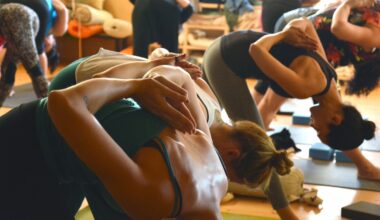
To maximize results from your yoga practice, establishing a consistent routine is essential. Decide on specific days and times for your sessions to create a sense of commitment and accountability. Aim for at least three to four weekly sessions, gradually increasing duration as you gain strength. Begin with shorter sessions of 15-20 minutes and progressively extend as your stamina improves. Consistency promotes muscle memory and fosters a habit of self-care, ultimately enhancing long-term fitness. Consider joining local or online postpartum yoga classes for guidance and community support. Engaging with experienced instructors ensures proper technique and provides effective modifications tailored to your needs. Sharing this experience with other new mothers helps foster encouragement and motivation, making workouts significantly more enjoyable. Participating in group classes, whether virtual or in-person, often leads to greater commitment. Make it a social event! Connecting with others navigating similar experiences can uplift spirits and provide shared accountability. Finally, always listen to your body’s needs during your practice, adapting sessions based on your energy level and individual progression. The journey toward postpartum core strength is personal. Prioritize consistency, community, and mindfulness as you build your postpartum fitness plan.
Yoga Poses to Focus On
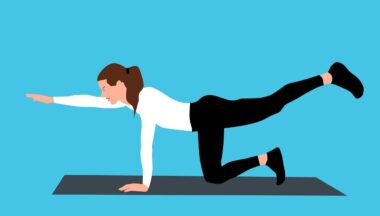
Several yoga poses specifically engage the core while being suitable for postpartum mothers. Some key poses include the modified Plank, Warrior II, and Boat Pose. These exercises provide excellent core engagement while ensuring safety and support for healing muscles. You may find that these poses also help improve pelvic floor strength, an important aspect of postpartum recovery. Incorporate the Bird-dog pose into your routine as it promotes balance and stability, enhancing overall body awareness. Always approach these poses with caution, ensuring you maintain proper alignment. Consider using props such as bolsters or blankets for modifications during challenging poses to ensure comfort. Gradually introducing more challenging shapes will help monitor progress over time. Linking breath with movement aids in building endurance, allowing for deeper core activation. Shift your focus to acknowledging what feels good rather than pushing through discomfort. Cultivating this perspective will foster a more profound connection with your postpartum body. Keep your practice light and playful, as engaging joyfully with movement can evoke lasting enthusiasm and commitment to your regular sessions. Finding the right balance and enjoyment makes all the difference in establishing a sustainable core fitness plan.
Incorporating yoga into a postpartum fitness regime offers lasting benefits beyond physical strength. This practice fosters emotional health, providing an essential support system through a challenging recovery period. Improved core strength enhances daily activities, such as lifting and carrying your newborn, ultimately leading to greater confidence in your body’s capabilities. The mental focus developed through yoga enables mothers to tackle the stresses associated with motherhood. Practicing regularly contributes to improved mood while promoting relaxation and grounding techniques. Prioritizing self-care through yoga establishes a nurturing environment, aiding in recovery. Remember that your journey is unique, and self-kindness is crucial. Embrace all milestones, big or small, as successes in your fitness journey. Consider documenting your experiences through journaling or blogging to reflect and celebrate progress along the way. Additionally, seeking community through classes may enhance motivation and accountability while promoting a sense of belonging. As your children grow, your yoga practice can grow alongside them, establishing healthy lifestyle habits early on. Ultimately, setting realistic expectations encourages a holistic approach towards your postpartum fitness plan. Emphasize gradual progress, allowing yoga to become a vital aspect of your well-being in this new chapter.