
Balancing Rest and Exercise in Postpartum Core Recovery
Postpartum recovery is a crucial time for new mothers, emphasizing the importance of both rest and physical activity. During this period, women often face unique challenges, including hormonal changes and physical fatigue. Finding the right balance between rest and exercise can significantly affect healing and overall well-being. Core strengthening is particularly vital, as the abdominal muscles undergo significant changes during pregnancy. Engaging in low-impact exercises can help restore core strength while preventing injuries. However, it is essential to listen to your body and allow sufficient time for recovery before diving into more demanding workout routines. Consulting healthcare professionals, such as physical therapists or personal trainers with postpartum experience, can provide valuable guidance tailored to individual needs. Establishing a personalized fitness plan can aid in achieving postpartum goals and improving core strength. Alongside physical activities, integrating stretches and breathing exercises can promote relaxation and focus on the mind-body connection. The journey of postpartum recovery should be gradual, acknowledging the body’s requirements while motivating mothers to regain strength. Finding a balance gives women the confidence to embrace their new role fully.
As you engage in postpartum core strengthening exercises, it is essential to prioritize safety above all.
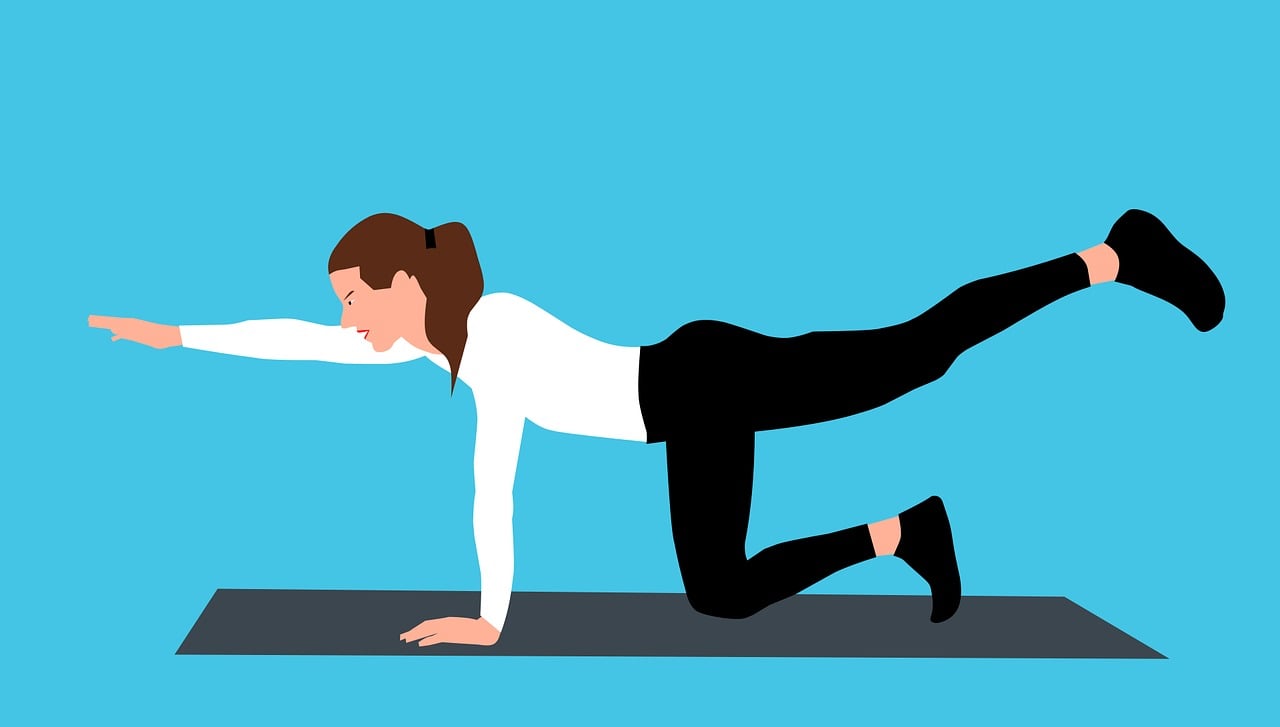
Starting with gentle activities is highly recommended, giving your body time to adjust post-delivery. Initiating your fitness journey with simple pelvic floor exercises and abdominal bracing can build a strong foundation for more advanced moves in the future. When doing such exercises, focus on maintaining proper form and alignment to prevent injuries. Gradual progression is key, so consider increasing the difficulty level only when your body feels ready. To enhance core strength, physical activities like walking, swimming, or low-impact aerobics might be beneficial. These forms of exercise are gentle and supportive, promoting cardiovascular fitness without putting too much strain on the core. Additionally, incorporating yoga or pilates can improve flexibility and core stability while enhancing postural alignment. For optimal results, developing a regular routine with a mix of these exercises can lead to significant gains in strength and endurance. Lastly, be aware of your limits, and do not hesitate to consult with healthcare providers for personalized recommendations and advice tailored to your specific situation.
Nutrition plays a pivotal role in the postpartum fitness journey, impacting core recovery.
After childbirth, your body requires extra energy and nutrients to heal and regain strength. A balanced diet rich in whole foods can significantly support your fitness efforts. Focus on incorporating an adequate intake of lean proteins, healthy fats, and complex carbohydrates into your meals. Nutrients like calcium and vitamin D are also crucial during this period to aid muscle recovery and bone strength. Eating smaller, frequent meals throughout the day may help maintain energy levels and prevent fatigue as you adapt to your new routine. Hydration is equally essential, so do not forget to drink plenty of water to support bodily functions. New mothers should also consider the timing of meals, as eating soon after a workout can help replenish lost energy and aid recovery. Planning meals ahead of time can contribute to balanced nutrition, reducing the temptation of unhealthy food choices. Engaging family members in meal prep can foster support and connection during this demanding phase, ultimately benefitting both body and mind. Every small change in diet can significantly improve recovery and overall wellness.
Importance of Rest and Recovery
Aside from exercise, adequate rest and recovery are critical components of postpartum core health.
Although physical activity is essential, mothers must also prioritize sleep and relaxation to foster healing. Lack of sleep can hinder recovery and negatively impact mood and cognitive function. Creating a sleep-friendly environment and establishing a consistent bedtime routine can enhance sleep quality. These adaptations can contribute to feelings of well-being, ensuring sufficient rest is incorporated alongside exercise. Additionally, practicing self-care is paramount during this time. Mindfulness practices such as meditation or gentle yoga can support emotional health and promote stress reduction. Taking time out for oneself can help mothers reconnect with their bodies and alleviate any anxiety. It’s beneficial to communicate with family members regarding support for daily tasks to create more opportunities for relaxation and restorative activities. A balanced approach that combines movement with restorative practices ultimately leads to a more comprehensive postpartum recovery experience. As new mothers navigate this journey, the focus should remain on listening to their bodies and honoring their limits. All these strategies complement each other, leading to enhanced physical and mental health.
Engaging in community resources can also significantly enhance postpartum core recovery.
Support groups, fitness classes, and online forums can provide valuable connections for new mothers, allowing them to share experiences and seek encouragement. Joining a postpartum fitness group led by certified trainers can foster motivation to stay active while fostering a sense of community. These environments allow new mothers to meet others who share similar experiences, leading to lasting friendships. Additionally, online workouts catered to postpartum recovery can be done at home, allowing flexibility in schedules. Many websites and apps now offer tailored exercise plans designed for mothers to follow at their own pace. This can make integrating fitness into daily routines easier, especially for those managing childcare responsibilities. Moreover, attending local workshops can also provide mothers with essential knowledge about fitness, nutrition, and mental health post-pregnancy. These sessions typically offer interactive elements, making learning fun and engaging. Encouragement from peers can significantly influence motivation levels, making activity enjoyable rather than a chore. Overall, creating a support network is vital in successfully navigating the postpartum fitness landscape.
Cultivating a positive mindset is an essential aspect of postpartum fitness that should not be overlooked.
Confronting the physical and emotional changes that accompany motherhood can be challenging and overwhelming. Developing resilience through understanding and accepting these changes is crucial to fostering a sense of empowerment. Affirmations and positive self-talk can bolster self-esteem and instill motivation. Emphasizing progress over perfection can help new mothers recognize their achievements, no matter how small. Keeping a fitness journal to document efforts and feelings can enhance the journey by allowing mothers to track progress over time. Celebrating milestones, whether completing a workout or fitting into pre-pregnancy clothes, reinforces motivation to continue. Surrounding oneself with positive influences, whether through friends, family, or online communities, can further enhance feelings of support and encouragement. Consciously choosing to focus on the positives can shift perspectives, fostering a healthier mindset. Practicing gratitude and self-compassion while navigating postpartum challenges will ultimately lead to a successful and rewarding recovery process. Mothers are encouraged to embrace their unique journeys, as each experience is a testament to their strength and resilience. This mindset is vital for overall wellness.
Conclusion
In summary, balancing rest and exercise is fundamental for postpartum core recovery.
New mothers should recognize the importance of listening to their bodies and embracing a gradual approach to fitness. Developing a personalized exercise plan that emphasizes core strengthening while integrating rest is essential for the recovery process. Furthermore, prioritizing nutrition, hydration, and community support can create a holistic approach to postpartum wellness. Acknowledge that recovery is a journey without a predictable timeline. Each mother’s experience will be different and uniquely tailored to her physical and emotional needs. As mothers navigate these changes, fostering a positive mindset and resilience will empower them to handle challenges effectively. Engaging in open dialogue with healthcare professionals and others can provide insights and support during this transformative period. Taking care of oneself directly impacts both mother and baby, creating a nurturing environment for growth. Embrace this beautiful phase with patience and self-love, ensuring that both movement and rest are part of the postpartum experience. In conclusion, balancing these facets leads to sustainable recovery, ultimately paving the way for healthy lifestyles. Every step taken matters, so cherish your journey towards wellness.
Recognize that maintaining balance in postpartum recovery helps improve physical fitness.