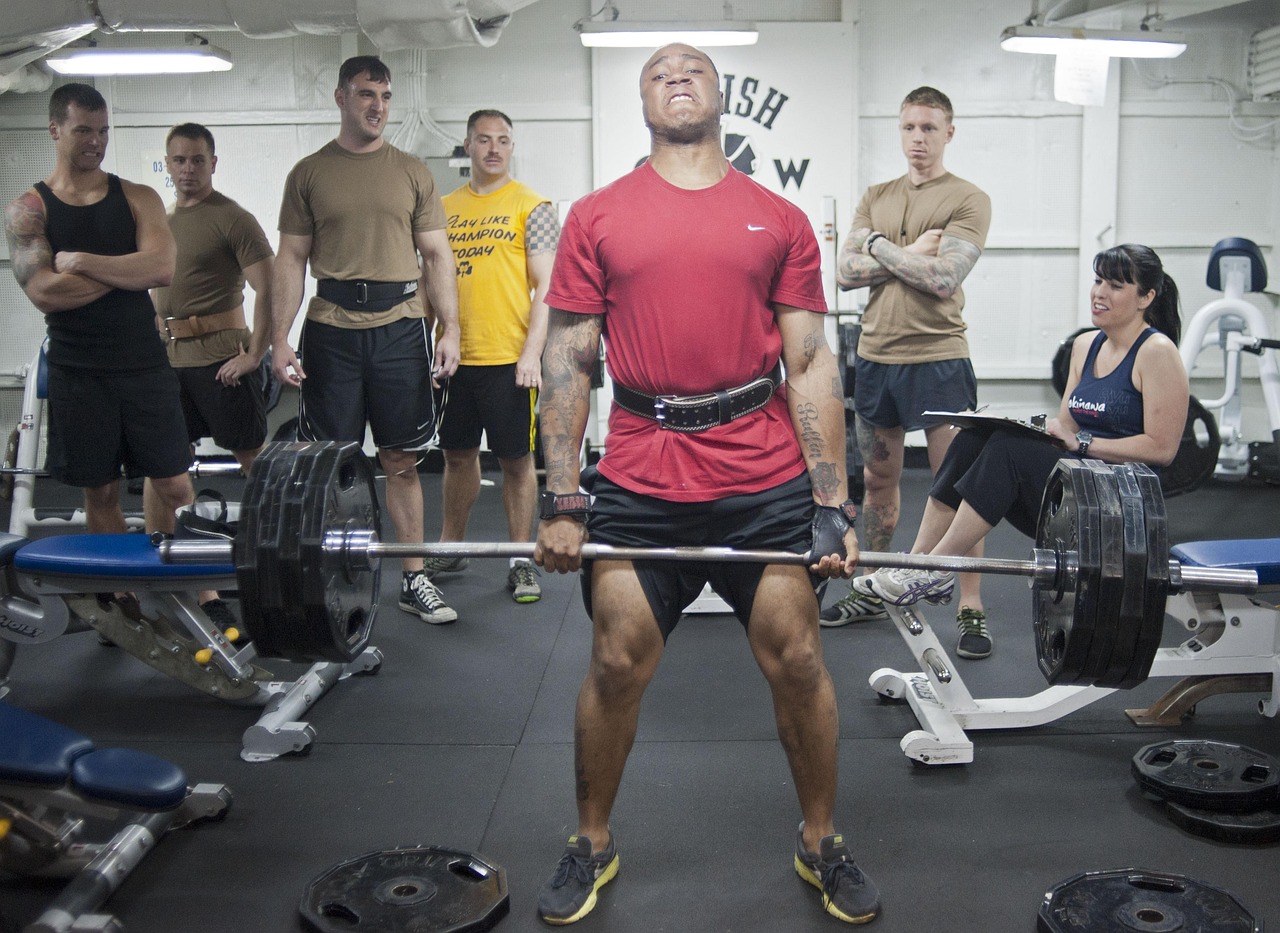

Deadlift Setup and Breathing Drills to Maximize Performance
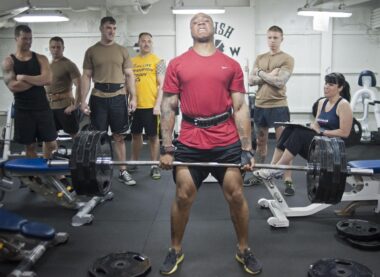
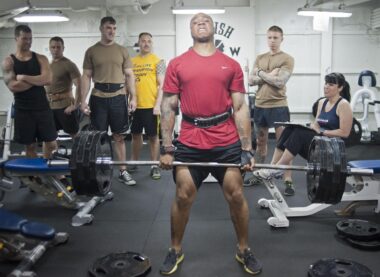
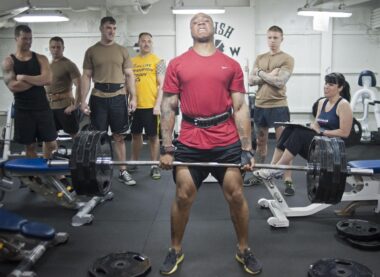
Achieving optimal performance in the deadlift starts with a proper setup. Understanding the configuration of your body before initiating the lift is critical. Begin by standing with your feet hip-width apart, ensuring that the barbell is positioned over the midfoot. This placement ensures that you maintain an effective center of gravity. Activate your core muscles before you grab the bar, feeling tension throughout your body. As you grip the bar, focus on keeping your back flat. Your shins should gently brush against the bar, allowing for an efficient lift-off. Next, take a moment to engage your lats, pulling them down and back. Proper positioning of your shoulders is crucial to initiating the lift powerfully. Align your shoulders directly over the barbell for maximum leverage. Begin your lift by pushing through your heels while simultaneously pulling back your hips. This combined motion encourages full body engagement. After initiating the lift, don’t forget to breathe. A controlled breath can stabilize your core and provide additional strength.
It’s essential to master the breathing techniques while deadlifting to optimize performance. Proper breathing can prevent fatigue and set the foundation for a successful lift. First, take a deep breath before executing each lift. Fill your abdomen with air, focusing on your diaphragm rather than shallow chest breathing. This technique activates your core, creating internal pressure to stabilize the spine. Once you have positioned your body, hold that breath for the duration of the lift and exhale only after reaching the top. Maintaining this pressure throughout the lift is vital; it not only supports your spine but also enhances overall power output. Engaging in these breathing practices will help you establish a rhythm that is smooth and continuous. It is advisable to practice this during lighter sets before incorporating it into your heavier lifts. Understanding individual lung capacity and experimenting with breath timing can assist lifters in achieving specificity in their technique. In summary, breathe deeply and hold, release at the top, and you’ll find improved stability and performance in your deadlift workouts.
Drills for Improving Deadlift Setup
Besides breathing, implementing drills can significantly improve your deadlift setup. Start with the ‘Banded Deadlift’ drill, which adds resistance to your lift. It encourages proper hip movement and strengthens your muscles. To perform this drill, loop resistance bands around the barbell and anchor them under your feet. Start with lighter weight and focus on maintaining proper form throughout the movement. This modification reinforces the necessity of pushing into the ground through heels. Another valuable drill is the ‘Elevated Deadlift,’ where you perform your lift from a platform or elevated surface. This variation allows for deeper engagement of muscle groups without compromising positioning. As you lift from the elevated surface, focus immensely on your core engagement. Additionally, try out the ‘Romanian Deadlift’ to enhance your hamstring strength, an often-overlooked muscle group in the deadlift equation. This drill is essential for developing the hinging pattern crucial for both strength and injury prevention in lifting. Overall, dedication to practicing these deadlift drills will pay off tremendously in maximizing performance.
Incorporate the ‘Deadlift with Pause at Knees’ to reinforce proper mechanics during your setup. While executing this drill, lower the barbell until it reaches your knees, then pause for a count. This pause ensures that you maintain tension in your muscles and allows you to reinforce the correct positioning of your torso and back. This added time under tension is invaluable for muscle memory development. After this, you can smoothly continue to the top of the lift. Essential to preventing injury is ensuring that you prioritize not only strength but also technique. For lifters focused on increasing their personal best, the inclusion of this drill is indispensable. It gives you the strength and memory needed to glide through each rep consistently. Another effective drill involves practicing in front of a mirror or recording yourself to observe form. Self-assessment can enhance awareness and provide insights into your form. Be sure to continuously adjust your drills based on your observations to reflect improvement. This method creates a solid foundation on which to build not just strength but impeccable technique needed for deadlifting.
Incorporating Mobility Work
Mobility work is another critical component for enhancing your deadlift performance. Engaging in mobility exercises focuses on increasing the movement range of your hips, thoracic spine, and hamstrings. Prioritize exercises such as hip flexor stretches to promote better hip movement. Deadlifting can be significantly affected by tightness in surrounding muscles, creating a bottleneck for effective lifting. Additionally, incorporate foam rolling into your warm-up routine—this practice loosens tight muscles and improves blood flow. Another excellent mobility drill is the ‘World’s Greatest Stretch,’ which opens up both the hips and thoracic area, facilitating a greater range of movement. Ensure these mobility techniques are incorporated into your training schedule at least three times a week. Routine implementation will result in improved positioning during the lift and can help in injury prevention. As a consequence, flexibility translated into strength will encourage higher performance levels as well. Consistently revisit these stretches to gauge improvements, and don’t hesitate to tweak them as necessary for your unique needs. Remember, increasing mobility equates to maximizing your lifting potential in deadlifts.
Tracking your progress will ensure that you can maximize your performance, making sure that every drill cultivated is effective and functional. Begin by documenting your training sessions, specifically noting improvements and any struggles encountered during specific techniques. For instance, assess how well you performed the drills discussed and reflect on whether your breathing has improved. Utilize a training journal or a fitness app to streamline this process, allowing for efficient tracking over time. Observations can highlight inconsistent areas that require enhanced focus, whether concerning a particular drill or breathing technique. Furthermore, tracking can serve as motivation; witnessing progress boosts morale and discipline. Set specific goals for each session, whether lifting heavier weights, increasing reps, or integrating new drills. Achieving these targets fosters an ongoing commitment to your training regimen. Reflect on past entries to appreciate your growth and adaptability. Address setbacks openly and objectively to understand how best to overcome them. Ultimately, a robust tracking strategy will correlate positively with your lifting success, serving as a substantial reminder of your dedication.
Eventually, integrating the aforementioned techniques into your deadlift training can lead to substantial performance improvements. The foundation of successful lifting lies in proper setup and breathing, where each is essential for elevating your capabilities. With continuous incorporation of specific drills, mobility work, and well-defined progress tracking, you will enable your body to execute the deadlift effectively. As you become familiar with each aspect and drill, the lift will feel more natural over time. Improvements may seem subtle at first, but persistence will yield significant dividends. Ensure to regularly revisit your sessions and adjust according to your unique experiences. Consider consulting a coach or trainer for further guidance to maximize improvements. They provide valuable external perspectives that can help refine your technique. Always remember that deadlifting strategy emphasizes gradual progress rather than rushing to increase weights. Focus on optimizing each lift through the core principles outlined. Striving for perfect execution not only strengthens performance but also enhances safety while lifting. Therefore, place paramount importance on these small details, and your deadlift will transform into a true expression of strength and skill.
After implementing these performance-enhancing strategies, consider joining a community or group focused on weightlifting. Surrounding yourself with likeminded individuals can inspire newfound motivation and accountability, ultimately leveling up your performance. Engaging in group workouts or classes dedicated to deadlifting can introduce fresh perspectives and shared advice on improvement. To cultivate camaraderie, compare notes on techniques, drills, and personal experiences. Actively participating not only enhances your knowledge, but may also provide intricate tips from seasoned lifters. You can use this opportunity to network and even find a workout partner for mutual support. Building a training network allows individuals to share progress, celebrate achievements, and support one another. Remember to be open to feedback without becoming discouraged; all input, positive or negative, is a chance to learn. Through teamwork and connection, you can significantly improve your lifting journey. Ultimately, foster an environment of growth where everyone aims to uplift each other. Incorporate lessons learned from your community and strive for continuous improvement. Embrace the camaraderie centered on strength and development for the most rewarding experience.