
Advanced Deadlift Technique Drills to Boost Your Performance
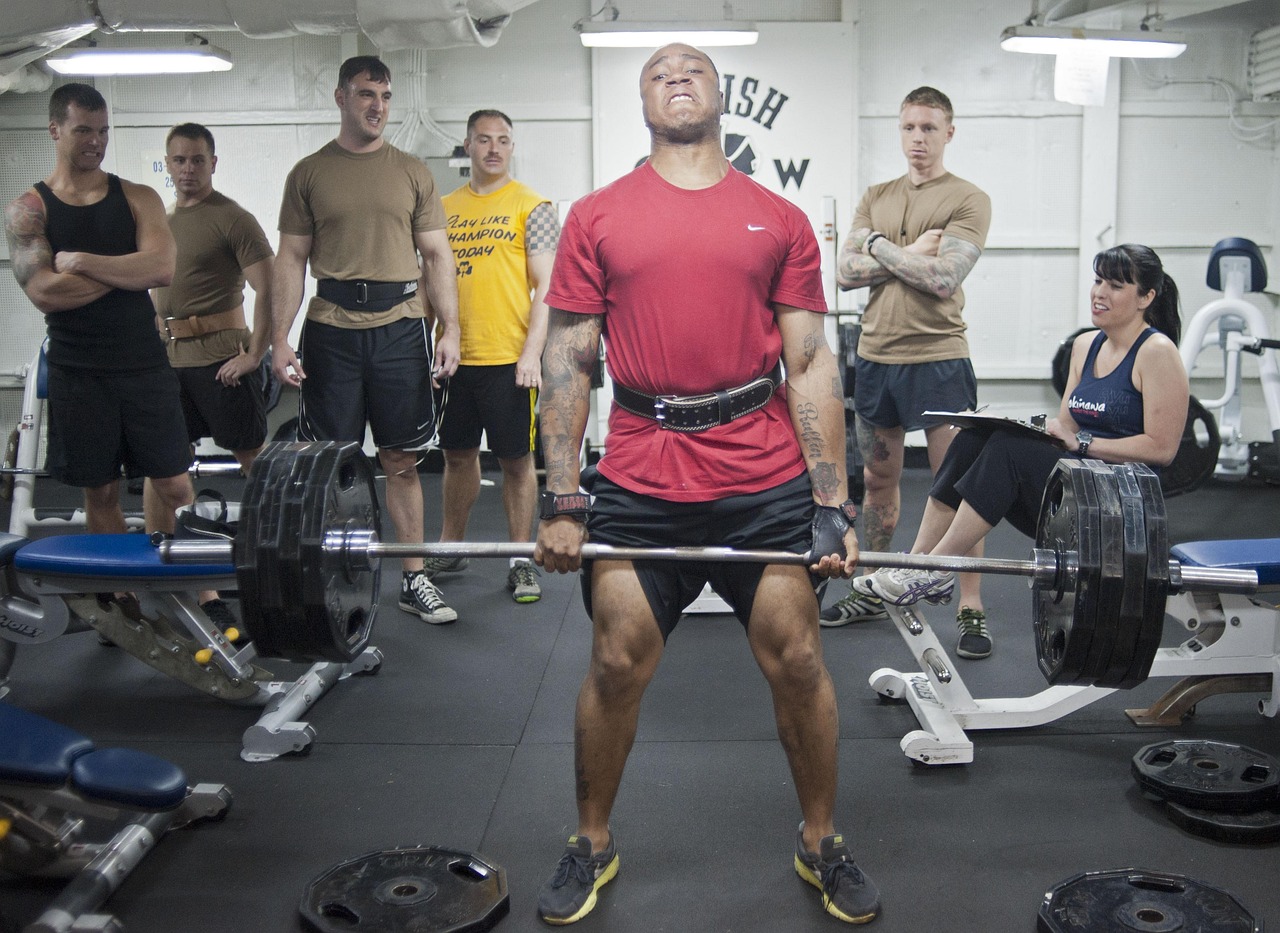
Deadlift technique drills are vital for improving performance and ensuring safety during heavy lifts. It’s essential to focus on proper form to prevent injuries. One effective drill is the Romanian deadlift, which emphasizes hip hinge mechanics. Begin with a barbell or dumbbells at your hips, slowly lower the weights down your legs while keeping a slight bend in your knees. Focus on driving your hips back, maintaining a neutral spine, and contracting your hamstrings. Another great drill is the paused deadlift, which teaches you to improve power in the lift. To perform this, start in a conventional deadlift position and pause just below the knees for a few seconds before completing the lift. This drill helps reinforce proper setup, allows you to practice tension, and enhances explosiveness. Incorporating these drills into your routine can significantly elevate your deadlift technique. Consistency in practice leads to a stronger lift as you develop muscle memory. Always ensure that you’re warmed up adequately before beginning any intensive workouts, including these drills, to maximize results and minimize risks.
Understanding Conventional and Sumo Deadlifts
Different stances can affect the deadlift mechanics immensely. The conventional and sumo stances target distinct muscle groups. The conventional deadlift starts with feet shoulder-width apart, initiating the lift from a position that emphasizes the lower back, glutes, and hamstrings. For sumo deadlifts, widen your stance, placing your feet outside shoulder width. This variation shifts focus to the inner thighs and quads, allowing for a different lifting style. Practicing both types can help build a comprehensive strength base. The stiff-legged deadlift is another variation that can enhance lower back strength and flexibility. To perform this, keep your legs straight while lowering the barbell. Make sure to actively engage your core throughout to maintain stability. For beginners, it’s critical to first master the movement patterns before increasing the weights. Always prioritize good posture and form over heavier loads to prevent injuries. Take time to understand your body mechanics when transitioning between the lifts. Keeping a balanced training approach by incorporating both conventional and sumo styles maximizes overall performance in the deadlift.
Exploring Accessory Exercises for Deadlifts
Accessory exercises are essential for enhancing deadlift performance by targeting supporting muscle groups. Exercises like glute bridges can amplify the strength of your glutes, which are pivotal in deadlifting. To perform a glute bridge, lie on your back, bend your knees, and lift your hips. This exercise is excellent for improving lockout strength. Romanian deadlifts, already mentioned, also act as effective accessories targeting hamstrings and strengthening the posterior chain. Other exercises like kettlebell swings boost explosive lifting power and can improve overall grip strength too. Heavy farmer’s walks challenge your grip and core stability, translating into improved performance during deadlifts. Core exercises, such as planks and hanging leg raises, provide crucial support for maintaining abdominal integrity during heavy lifts. When structuring workouts, integrate these accessory exercises in a balanced way to avoid overtraining. It’s vital to allow adequate recovery time between sessions. By building comprehensive strength through varied exercises, you not only enhance your deadlift but also increase overall athletic performance. The key lies in consistency and mindful progression.
Incorporating Mobility Work into Your Routine
Mobility is an often-overlooked component of lifting performance but plays a critical role in successfully executing a deadlift. Enhancing hip and ankle mobility allows for a more natural lifting movement. Incorporate dynamic stretches within your warm-up routine. Movements such as leg swings and hip circles effectively promote joint blood flow. Foam rolling and mobility drills targeting the hip flexors help ease tension and promote flexibility essential for effective deadlifts. This technique not only prepares your muscles for lifting but also aids in achieving optimal depth in your stance. Improving thoracic spine mobility ensures you maintain proper posture throughout the lift. Stretching your lats improves your grip and back positioning when lifting. Regular mobility work is invaluable to prevent injury and maximize your lift’s full potential. Cool down by incorporating static stretching post-workout to aid muscle recovery and elongate stiffened muscles. Prioritize maintaining an adequate range of motion in your joints to support your lifting goals. Consistent mobility work aligns with achieving better performance, making it an indispensable part of your deadlift training routine.
Strategies for Tracking Your Deadlift Progress
Progress tracking is critical for any lifter aiming to improve their deadlift technique and strength. Start by logging your workouts in a dedicated journal or using a fitness tracking app. Record the weights lifted, sets, and repetitions, along with notes on form or discomfort experienced during the lifts. Weekly evaluations can provide insight into patterns and areas for improvement. Implementing video analysis is another effective strategy. Recording your lifts allows you to visually assess form and technique. Compare your lifts against professional standards or coaching feedback to identify flaws. Setting specific, measurable goals enhances tracking effectiveness, allowing for tangible improvement. Incremental increases in weights help avoid plateaus and provide motivation as you progress. Celebrate milestones such as hitting a new personal record to maintain motivation. Additionally, regular deloading weeks preserves muscle health and rejuvenates mental focus. Create a structured lifting plan that rotates varying intensity and volume to ensure continuous progress. By effectively tracking your progress, you establish a strong foundation for boosting your deadlift performance over time.
Importance of Nutrition for Deadlift Performance
Your nutrition significantly impacts your ability to perform and recover from heavy lifting sessions. Consuming an adequate amount of protein is essential for muscle repair and growth following deadlift workouts. Incorporate quality sources like lean meat, fish, eggs, and plant-based proteins into your meals. Carbohydrates also play a critical role, providing the necessary energy for intense workouts. Complex carbohydrates like whole grains and vegetables help fuel your training sessions, while healthy fats support overall wellbeing. Pre-workout nutrition is key; consider a balanced meal or snack that includes carbs and proteins prior to training sessions. Post-workout meals should prioritize recovery, focusing on replenishing glycogen and protein stores. Hydration is another crucial factor; make sure to drink plenty of water to support muscular function during training. Debunk nutrition myths by staying informed about dietary practices that can genuinely improve performance. Engaging with a nutritionist might help to fine-tune your regimen to better support your lifting goals. Ultimately, optimizing your nutrition enhances your potential, complementing the work put into developing deadlift techniques.
Wrapping Up Your Deadlift Training
Concluding your deadlift training effectively is as vital as the lifts themselves. Ensure proper cooldown routines follow intense sessions, focusing on stretches and foam rolling. This practice aids recovery, preventing stiffness and promoting improved flexibility. Continue to evaluate your workout logs to track progress and highlight areas needing adjustments. Regularly revisit your lifting goals, ensuring they remain realistic and achievable. Nutritional modifications should also be evaluated based on performance changes observed during training cycles. Engaging with trainers or professional lifters for feedback provides additional insights into refining technique and maximizing outcomes. Structuring your training into phases can help maintain freshness and enthusiasm. It also avoids burnout by varying your workouts over time. As you progress, adjust your approach to continue challenging your body and improving overall performance. Utilize competitions, if available, as motivational platforms to test your lifting capabilities. Building a supportive community is also essential for maintaining motivation and accountability in your training journey. By wrapping up your lifting sessions diligently, you ensure all aspects of your deadlift training yield fruitful results.