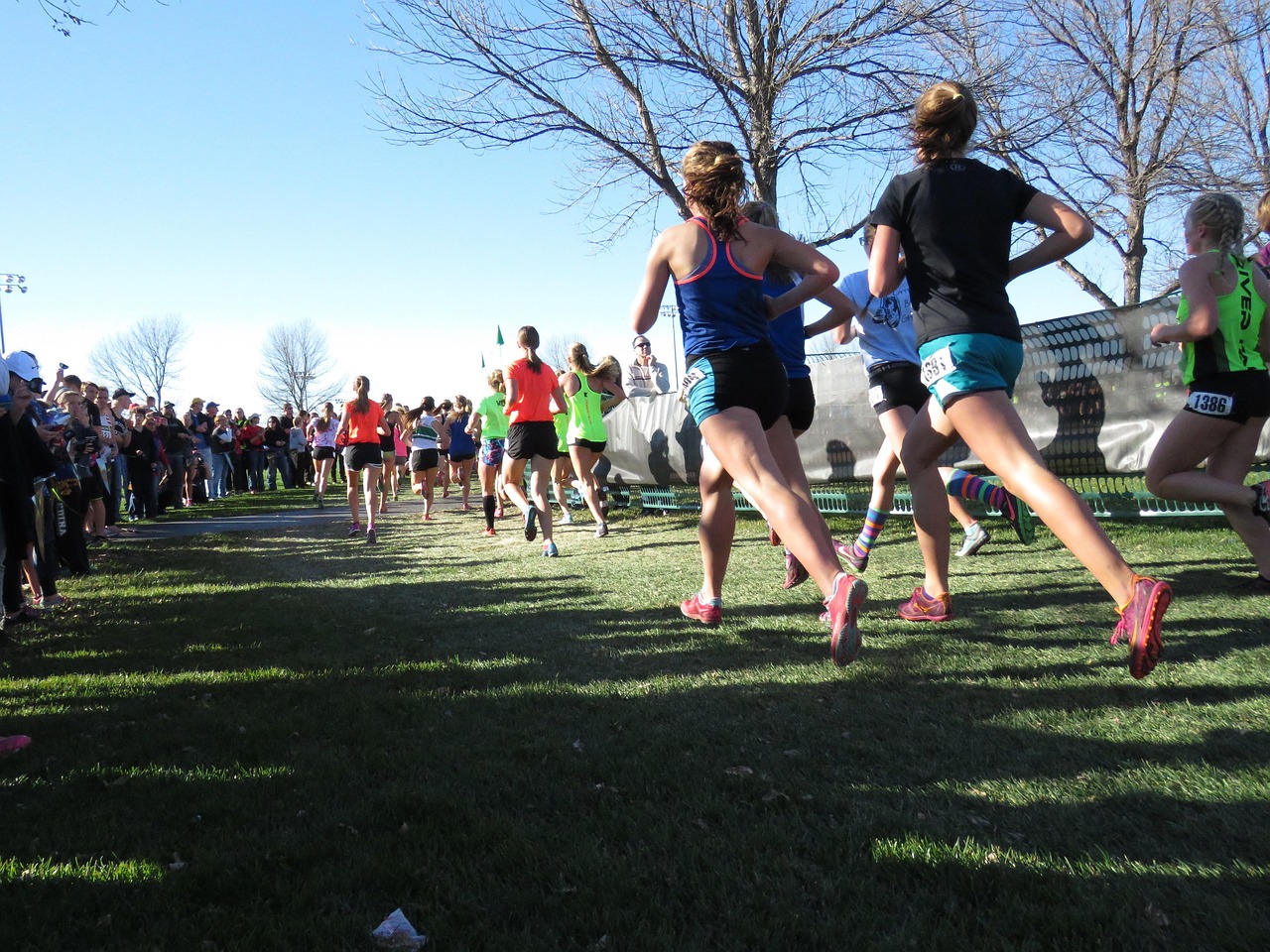

Group Running Workouts for Increased Team Cohesion
Engaging in outdoor running workouts as a team is not only beneficial for physical fitness but plays a crucial role in fostering team cohesion. Group running allows members to support one another, creating a supportive environment that encourages personal and team growth. Incorporating various running formats, such as interval runs, can keep the workouts exciting. This variation ensures that all team members remain motivated and involved. For instance, having teammates run at varying paces during an interval workout can enhance camaraderie. Also, organizing team running events can help build a feeling of accomplishment. Schedule team challenges, where members compete together to complete specific distances. Set goals such as improving personal best times or increasing their mileage. Regular group runs also yield health benefits, enhancing cardiovascular fitness and endurance. Furthermore, they provide essential stress relief and an opportunity to enjoy the beauty of the outdoors. Moreover, monitoring progress collectively can be rewarding. Therefore, team running workouts can be a powerful tool not just for fitness but also for building interpersonal relationships and team dynamics.
Setting Up a Running Schedule that Works for Everyone
To maximize the benefits of group running workouts, establishing a shared running schedule is crucial. This inclusion ensures everyone knows when and where workouts will take place. Decide on a consistent day and time for team runs, which could be early mornings or weekends, depending on what works best for most members. Additionally, plan for varying distances and paces to cater to all fitness levels within the team. Including some form of warm-up before each session can help prevent injuries while preparing the body. It’s equally essential to incorporate cool-down routines to assist recovery post-workout. Inform the team about running shoes suitable for different terrains and weather conditions. Encourage everyone to stay hydrated and bring personal water bottles during running sessions. Furthermore, using running apps can help track distance, pace, and improvements over time. Consider challenging your team with themed runs or virtual events, adding an extra fun layer to workouts. These activities can increase participation rates while promoting a healthy competitive spirit. Therefore, a well-planned running schedule fosters engagement while enhancing overall fitness.
Incorporating Team Challenges for Motivation
Team challenges can be a fantastic way to keep motivation levels high during group running workouts. Establish fun and friendly competitions, such as a monthly distance challenge where each team member tracks their running distances. Encourage submissions to create excitement while fostering a collective drive towards improvement. Create awards for different milestones or have themed runs that inspire fun participation. Relay races can also be an engaging way to cultivate teamwork, requiring collaboration to finish strong. As a bonus, set up bonus points for attendance to further encourage consistent participation. Group challenges such as preparing for a local charity run can motivate your team to train together while giving back to the community. Agreements about informal fitness goals can also provide effective benchmarks for teams to track their progress together. Regularly highlighting individual achievements within the group fosters a celebratory atmosphere. Using social media to share milestones, tips, and accomplishments can help keep momentum going. Moreover, blending teamwork with fun through challenges turns fitness into an enjoyable and fulfilling experience. Such invigorating initiatives not only improve fitness but also enhance team bonding.
Strategies to Keep the Spirit High During Workouts
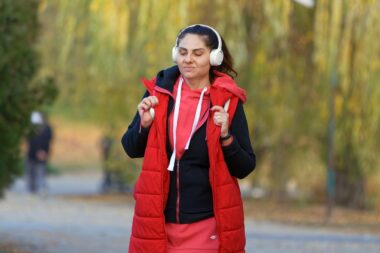
Keeping the spirit high throughout group running workouts is vital for team success. Start each session with a motivational team huddle, emphasizing the significance of camaraderie and encouragement. Consider integrating music into workouts if possible, as it can elevate energy levels, making the runs vibrant and enjoyable. Allow team members to take turns selecting playlists, promoting inclusivity and excitement. Having engaging conversations during runs can also keep the morale high, helping to make challenges feel less daunting. It’s essential to create stations along the route for hydration and healthy snacks, giving the team something to look forward to during the workout. Celebrate collective achievements by organizing social events after completion of fitness goals, fostering a sense of belonging. Incorporate diverse workouts such as trail running, park workouts, or obstacle courses to mix things up and sustain interest. Listening to each runner’s feedback can significantly help in understanding their preferences, further enhancing group bonds. Ultimately, it’s about creating an environment where every member feels valued while pushing toward their fitness goals, effectively blending teamwork and fun in every workout.
Safety Considerations for Outdoor Team Running
Safety should always be a top priority during outdoor group running workouts. Begin by establishing guidelines about running habits like staying in single file on narrow trails and ensuring runners stay aware of their surroundings. Utilize a buddy system where team members keep an eye on each other during runs, promoting safety in numbers. If choosing routes near traffic, make sure everyone understands the importance of obeying traffic signals and using crosswalks correctly. Remind everyone to wear appropriate gear including reflective vests when running during evening hours to ensure visibility. Conduct regular checks on the weather forecast before planning outdoor workouts to avoid running in unsafe conditions. Encourage team members to communicate any concerns about trails or terrain to avoid potential hazards. Additionally, familiarize yourself with local emergency resources and first aid kits in case of injury. In essence, cultivating a culture of awareness and communication keeps everyone safe and healthy. Prioritizing safety is not only crucial for wellness but also contributes to a more enjoyable group running experience, reducing risks of accidents and improving overall fitness adventures.
Celebrating Achievements and Setting Future Goals
Celebrating achievements during group running workouts boosts morale and creates lasting team memories. Organizing a quarterly runner recognition event can serve as a wonderful opportunity for team members to share personal achievements, be it completing their first 5K or improving their pace. Encourage positive and constructive feedback within the team, enabling all members to feel appreciated for their efforts, regardless of their fitness level. Documenting milestones through social media accounts with vivid visuals can help further celebrate progress while keeping the team connected outside workouts. It’s equally essential to set future goals individually and as a team. Consider entering local races or charity runs together, providing a common target and motivation to train harder. Setting attainable goals ensures consistent team engagement while promoting friendly competition. Having a planned agenda helps maintain focus on fitness progress, encouraging regular participation. Additionally, regularly revisiting these goals fosters a culture of continuous improvement. Above all, celebrating the small victories creates a positive atmosphere that drives members to achieve greatness while building strong friendships through shared experiences.
Conclusion: The Power of Team Running
In summary, group running workouts are a powerful way to enhance team fitness and strengthen bonds. Through shared experiences, members encourage one another towards reaching both team and personal goals, bringing a sense of collective achievement. The motivation gained from teammates can help individuals push past their limits while cultivating a sense of accountability. By varying workouts, integrating fun challenges, and promoting safety, teams can create a vibrant training landscape. Celebrating successes reinforces positivity, ensuring that the team remains connected and engaged, contributing to overall physical and mental wellness. Investing in a structured running schedule and open communication enables teams to achieve remarkable growth. Thus, it’s clear that outdoor team workouts not only foster physical fitness but also promote unity among members. Through the joy of running together, teams can transform workouts into memorable experiences, cultivating friendships and skills that last beyond fitness goals. Outdoor group running shines as an ideal activity for team cohesion, motivation, and overall well-being, reminding us that fitness can be both enjoyable and rewarding when done collectively.
Optimal Recovery Practices After Group Runs
Following a session of outdoor group running, implementing effective recovery practices is essential for optimal performance. Encourage members to cool down with light jogging or walking, easing heart rates back to normal while preventing stiffness. Stretching major muscle groups post-workout can alleviate soreness and enhance flexibility. Inform teammates about the benefits of proper hydration, as replacing lost fluids is vital after running. Consider planning a post-run snack session offering nutritious options, such as fruits or energy bars, promoting muscle recovery. Additionally, organizing group discussions about individual recovery routines fosters a culture of shared knowledge about wellness practices. Incorporating foam rolling sessions after runs can also assist in relieving muscle tension. All members can benefit academically from resources about recovery techniques. Prepare a shared document or folder containing articles and videos on recovery strategies. Encourage team members to engage in low-impact activities like yoga or swimming on off days to enhance overall recovery. A thorough recovery plan not only enhances physical well-being but also prepares members for future workouts, ensuring sustainable running practices as a team. Therefore, recovery is essential, making cooperation key in achieving long-term fitness goals together.