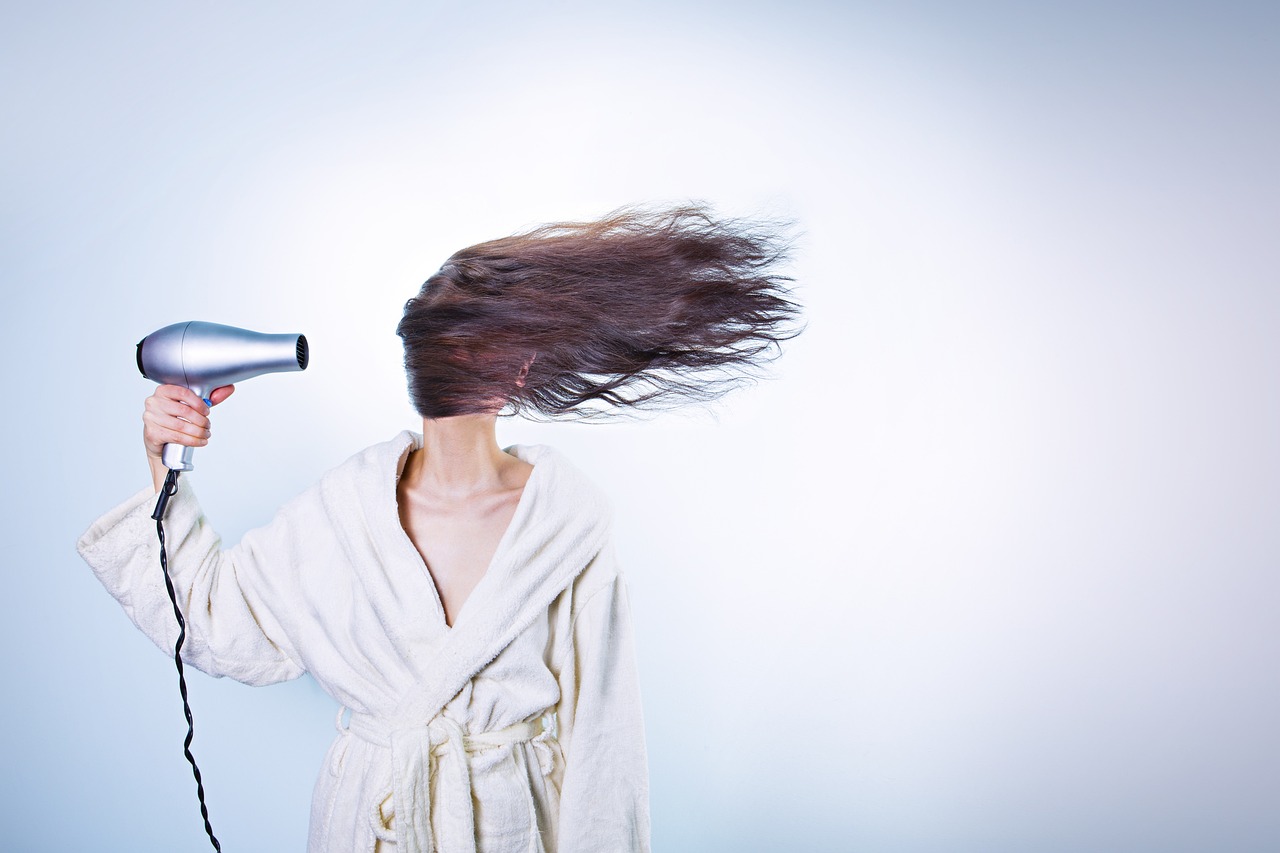

Effect of Caffeine and Alcohol on Hair Hydration Levels
Maintaining proper hydration levels is essential for overall health, especially for hair health. Hair is composed primarily of a protein called keratin, which requires adequate moisture to retain its strength and elasticity. Factors such as caffeine and alcohol consumption can significantly impact hair hydration. Caffeine is a diuretic, meaning it can lead to increased urine production, potentially resulting in dehydration. Dehydration may not only affect skin but also lead to brittle and lifeless hair. On the other hand, alcohol consumption can exacerbate hydration issues as it causes the body to lose vital fluids and nutrients. It is essential for individuals to monitor their caffeine and alcohol intake to maintain healthy hydration levels for their hair. Consuming optimal amounts of water, along with reducing caffeine and alcohol consumption, can positively impact hair health. To support hydration, individuals should focus on a balanced diet as well, incorporating hydrating foods like fruits and vegetables. Enhancing overall hydration through these lifestyle adjustments can lead to healthier hair and improved structural integrity of hair strands.
To understand the effects of caffeine and alcohol on hair hydration, it is necessary to delve into their biochemical impacts. Caffeine, commonly found in coffee and energy drinks, can stimulate blood circulation when applied topically. However, when consumed excessively, it can contribute to systemic dehydration. This dehydration can reduce moisture levels in hair follicles, potentially leading to hair thinning. Moreover, unhealthy levels of caffeine can provoke scalp issues like dryness and irritation. On the other hand, alcohol can lead to dehydration, causing the body to prioritize other bodily functions over hair health. The body’s dehydration as a response to alcohol can lead hair follicles to produce weak, dull hair that lacks vitality. In essence, both substances negatively contribute to hydration levels in hair, leading to undesirable outcomes such as frizz, breakage, or poor growth. It is crucial that individuals aiming for improved hair health consider moderating their consumption of both alcohol and caffeine while ensuring adequate daily water intake to combat potential hair issues arising from these substances. Maintaining proper hydration signifies more than just drinking water; it requires an overall life balance.
Hydration Strategies for Healthier Hair
To foster optimal hydration levels, several strategies can be implemented beyond reducing caffeine and alcohol intake. Ensuring a balanced diet that includes foods rich in omega-3 fatty acids, like salmon or flaxseeds, can aid in maintaining moisture in the hair. Additionally, integrating adequate amounts of vitamins A, C, and E, as well as biotin, can provide essential nutrients for hair health. Hydrating beverages, not just water, should be prioritized. Herbal teas like peppermint or chamomile also contribute positively to hydration without the dehydrating effects associated with caffeine or alcohol. Furthermore, topical applications can improve hydration directly. Using high-quality shampoos and conditioners designed specifically for dry hair types can help replenish moisture. Consider deep conditioning treatments or hydrating oils to provide necessary nourishment. Individuals could also increase their intake of fruits and vegetables with high water content, such as cucumbers and strawberries, to enhance hydration levels. Overall, maintaining an aware approach towards hydration through diet and product selection can lead to healthier hair and improved overall well-being.
While diet plays a pivotal role in maintaining hydration levels, certain lifestyle factors can also influence hair health. Regularly exercising can promote blood circulation, which ensures that adequate nutrients and oxygen reach the hair follicles. Exercise, combined with proper hydration, can significantly enhance overall vitality. Similarly, stress management techniques, such as yoga or meditation, can reduce hormonal levels that might negatively impact hair growth and hydration. On the flip side, insufficient sleep is linked to a lack of hydration, as the body undergoes important repair processes during sleep. Prioritizing restorative sleep can significantly affect hair health. Avoiding tight hairstyles is another practical contribution, as they can lead to traction alopecia, a condition marked by hair loss and hydration depletion. Moreover, protecting hair from environmental stressors such as sun exposure and humidity can prevent moisture loss. Opting for protective styles or using hair protection spray can prove beneficial. All these combined efforts, including proper diet, exercise, and stress management, play an integral role in maintaining hair hydration and health while reducing the negative impact of caffeine and alcohol.
The Importance of Water Intake
Water intake is often overlooked when discussing hair health, yet it constitutes a fundamental element in maintaining hydration levels. The human body comprises approximately 60% water, with organs, skin, and hair relying on sufficient hydration for optimal function. Water plays a critical role in transporting essential nutrients and vitamins needed for healthy hair growth. Adequate water consumption facilitates various bodily functions, ensuring that hair follicles receive the nourishment necessary for strength and elasticity. Without proper hydration, hair may become dry, dull, and brittle. To achieve optimal hydration, it’s recommended that individuals drink at least eight 8-ounce glasses of water daily, adjusting for factors such as activity level, climate, and dietary intake. In addition to drinking water, individuals can enhance hydration through foods with high water content. Consuming maximum amounts of fruits and vegetables offers not only hydration but also additional vitamins and minerals required for hair health. Every individual’s hydration needs may vary; therefore, listening to one’s body signals and adapting to those needs can be an effective strategy for improving hair hydration while minimizing caffeine and alcohol consumption.
When addressing hydration and hair health, it is important to recognize the individual differences in hair types and how they respond to various factors. Curly and coily hair types may require more moisture than straight hair due to their structure; hence, those with such hair types should pay extra attention to hydration levels. This can include using leave-in conditioners and hydrating creams specifically designed for these textures. Additionally, understanding the effects of harsh hair products containing sulfates or alcohol is crucial, as these can strip natural oils and moisture from the hair, aggravating hydration issues. Individuals should opt for sulfate-free and moisturizing shampoos that maintain the hair’s inherent hydration. Furthermore, incorporating hydration routines, such as frequent water-based hair masks, can yield positive results. As each person navigates unique hair and hydration requirements, customizing one’s hair care regime can lead to significant improvements. By recognizing the importance of tailored care specific to hair types and addressing hydration challenges comprehensively, better results can be achieved and overall hair health can be greatly improved.
Final Thoughts on Hair Health
In conclusion, the relationship between caffeine, alcohol, and hair hydration is multifaceted. Both substances, when consumed excessively, can lead to adverse effects in hydration levels, negatively impacting hair health. However, by understanding the intricate connections between lifestyle choices and hydration, individuals can take proactive measures toward achieving healthier hair. Incorporating more water-rich foods into one’s diet, staying mindful of caffeine and alcohol consumption, and implementing effective hydration strategies can make a massive difference. Moreover, recognizing that individual hair types and conditions require personalized care can unlock new avenues for success. For those who experience excessive hair dryness or damage, consulting with a professional, such as a dermatologist or a trichologist, can provide tailored recommendations. Taking these thoughtful steps can result in restored vitality and a healthier appearance. Ultimately, prioritizing hair hydration alongside overall well-being can foster a holistic approach to beautiful, vibrant hair that reflects its owner’s healthy lifestyle choices. Therefore, cultivate better hydration practices today to promote stronger, healthier-looking hair for tomorrow.
Each person’s journey towards improving their hair’s hydration starts with understanding the impacts of everyday choices. Whether it is choosing beverages wisely or focusing on a nutrient-rich diet, positive changes can lead to visible improvements over time. Therefore, aim to maintain a balance for healthy hydration by monitoring caffeine and alcohol consumption, increasing water intake, and incorporating protective hair practices into one’s routine. Share this informative article with friends and family to raise awareness about the importance of hydration on hair health and inspire them to take action for improved hydration strategies. Armed with knowledge, everyone can make informed choices to foster healthier hair. Achieving proper hydration levels serves not just aesthetics, but ultimately reflects an individual’s overall health and wellness. Therefore, continuing to learn about the effects of diet, exercise, and hydration helps everyone make better decisions. Embrace the importance of hydration, and witness the transformative effects on hair health. Healthy hair signifies a healthy lifestyle, representing pride in self-care efforts. Therefore, implement these guidelines today for healthier and hydrated hair tomorrow.