
How to Build Muscle Mass with Weighted Push-Up Variations
Push-ups are a fundamental exercise that can effectively build muscle mass and enhance upper body strength. However, to maximize muscle growth, it’s essential to incorporate weighted variations into your routine. By adding additional resistance, you stimulate muscle fibers more intensely, leading to hypertrophy. There are multiple iterations of weighted push-ups that cater to various fitness levels and preference. From using a weighted vest to innovative techniques like resistance bands, these methods can significantly enhance the outcome of your workouts. Engaging in a progressive overload principle is vital. This means continually challenging your muscles by increasing the weight over time. Additionally, ensure your form remains impeccable to prevent injuries and maximize efficiency. Emphasizing controlled movements during each repetition promotes muscle engagement and enhances strength gains. To achieve the best results, consider integrating weighted push-ups into a balanced workout schedule that includes other resistance exercises targeting different muscle groups as well. Remember, nutrition plays a pivotal role in muscle recovery and growth. Fuel your body with the right nutrients to support your fitness journey. Building muscle mass requires dedication, consistency, and the right strategies for success.
Types of Weighted Push-Ups
Weighted push-ups offer various types that effectively target different muscle groups within the upper body. One of the most popular methods involves using a weighted vest, which evenly distributes the extra weight across your torso. This variation maintains your natural push-up form. Alternatively, you can use dumbbells or plates placed on your back, increasing load while performing the exercise. Ensure you have a training partner who can safely place the weight. Another option involves using a resistance band anchored under your hands, providing additional tension throughout the push-up movement. The benefits of each type vary, with some focusing more on the chest, while others enhance triceps and shoulder involvement. Incorporating explosive push-ups with added weight can also boost power and explosiveness. Conversion from traditional push-ups to weighted versions often leads to quicker strength developments, giving you palpable results in less time. Make sure to start with manageable weight to avoid injury. Ultimately, diversifying the types of weighted push-ups can keep your workout exciting and challenging, as monotony in exercises often leads to diminished interest and motivation.
Plyometric push-ups represent another engaging variation that combines explosiveness with added weight. This technique involves pushing off the ground with enough force to lift your hands off the surface. By adding weight—such as a weighted vest or ankle weights—you enhance resistance and intensity. This not only promotes strength but also aims at improving muscle endurance and acceleration. To perform plyometric push-ups safely, begin with your body in a traditional push-up position. Lower your chest toward the ground, then push up explosively, aiming to clear your hands from the floor. Catch yourself as you land and repeat. Ensure a soft landing while keeping your body aligned. Additionally, include incline or decline push-ups in your regimen. Incline push-ups shift emphasis to the lower chest and shoulders, while decline variations target the upper chest and overall shoulder development. Incorporating a dynamic push-up training routine consistently allows significantly better results. Pair this with a structured strength program focusing on the compound movements like bench presses and overhead presses. Thus, muscle mass development becomes comprehensive and smooth when coupled with proper nutrition and adequate rest.
Importance of Form and Technique
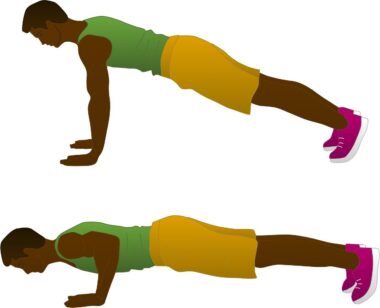
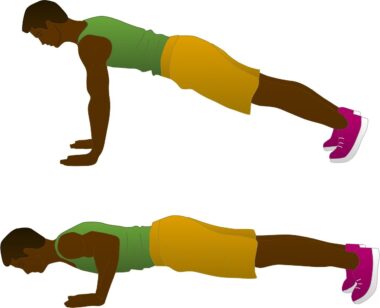
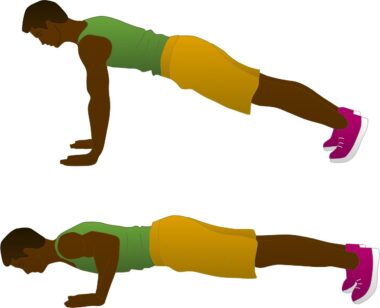
Maintaining proper form during weighted push-ups is essential for optimizing effectiveness and minimizing injury risk. Poor technique can lead to excessive strain on joints, particularly shoulders and wrists. Start with a strong base; ensure your hands are placed slightly wider than shoulder-width apart. This provides stability and better engagement of your pectoral muscles during the push-up. Keep your back straight and core engaged throughout the movement. Avoid sagging your hips or raising your buttocks too high, as this can lead to imbalances and reduced effectiveness. The descent should be slow and controlled, followed by an explosive push back to the starting position. Incorporating a mirror or recording your exercises can aid in observing your form from different angles, helping to identify and rectify mistakes. Try not to rush through the repetitions; instead, focus on mastering the movement with correct resistance levels. Thus, ensuring consistent practice promotes gradual improvements. Engaging in regular videos or seeking the advice of qualified trainers can also promote better understanding of the ideal technique. Ultimately, quality should supersede quantity in push-up practices.
A progressive approach to muscle building dictates that you gradually increase weights during exercises like push-ups. After mastering bodyweight push-ups, integrating weights promises a new challenge that fosters muscle growth. Begin by adding small weights in the form of a vest or secured plates. Track your progress diligently; maintaining a fitness journal can afford insights into performance enhancements. However, always listen to your body to avoid overtraining. Ideally, alternate weighted push-ups with other exercises in your routine to provide a comprehensive workout experience. Include time intervals or supersets to keep your heart rate elevated, maximizing calorie burn and improving endurance. It’s crucial to ensure the rest periods between sets are optimal for muscle recovery and growth. Nutrition supplements—like protein-rich foods post-workout—further enhance the effects of your weighted push-ups. Incorporating sufficient carbohydrate intake alongside micronutrients like vitamins and minerals supports muscle recovery. Collaborating with nutritionists can help tailor an eating plan that suits your needs aligned with fitness goals. Consulting with fitness experts provides additional guidance to customize programs focusing on building a muscular physique.
Withstanding Common Mistakes in Weighted Push-Ups
When integrating weighted push-ups into your training, it’s crucial to avoid common pitfalls that can hinder progress. One common mistake is neglecting warm-ups before performing weighted exercises. Warming up increases blood flow and prepares the muscles for heavy lifting. Rushing into weighted push-ups without proper warm-up can lead to injuries or strains. Also, not adjusting the weight correctly can severely affect performance. Start with manageable weights; pushing yourself too hard might lead to bad form or burnout. Another overlooked error is overtraining without giving adequate recovery time. Muscles grow during the rest period, so ensure your training schedule includes sufficient rest. Positioning can also spell disaster. Misplacing your hands or failing to keep your body straight can tempt injuries. Instead, focus on creating a straight line from head to heels throughout the movement. Each repetition should engage the muscles effectively rather than performing a few sloppy ones. Regularly revamping your strategy and focusing on strengths can contribute positively. Continuous education through fitness apps or online communities can support the learning process.
In conclusion, building muscle mass through weighted push-ups requires a well-structured training regime complemented by nutrition and recovery. Consistency is critical; ensure regular interval training to present new challenges while keeping workouts stimulating. Understand that each individual’s muscle-building journey is unique. Adaptation is necessary, meaning if something isn’t producing results, don’t hesitate to adjust workout routines. Seek support from professional trainers, or connect with fitness communities who share the same goals. By building a robust support structure around your fitness journey, achieving those goals becomes an easier path. Ultimately, the incorporation of weighted push-ups alongside proper techniques and rest periods transforms not only muscle mass but overall health. Learning more about your body’s response to training helps tailor workouts that promise the best results. Explore various resources, including books, courses, and local classes, focused on push-up variations. Remember, every effort you invest into your training counts—perseverance pays off in visible strength gains over time. With dedication and a focused approach, elevated muscle mass and impressive strength levels will soon become reality.