
Adaptive Fitness Competitions Around the World: A Global Overview
Adaptive fitness competitions have gained international recognition, providing athletes with disabilities a platform to showcase their abilities and determination. Events vary widely, from skill-based challenges to endurance contests that adapt conventional sports. In the United States, competitions like the Adaptive Sports USA National Championships feature numerous sports adapted for those with disabilities. These competitions often include events in wheelchair basketball, swimming, and track and field. Additionally, organizations like Special Olympics have expanded their reach, allowing athletes with intellectual disabilities to engage competitively.
Europe also plays a vital role in the adaptive fitness scene through events such as the European Adaptive Sports Championships. Each year, cities across Europe host competitions that attract participants from various nations, focusing on promoting inclusion through sport. Britain’s Invictus Games has made significant strides by showcasing veterans with disabilities, inspiring a sense of camaraderie and resilience. These events not only highlight athleticism but also foster personal growth and community engagement, demonstrating the power of sport to break down barriers. Countries collaborate to celebrate the diversity and talents of adaptive athletes.
In Asia, competitions focused on adaptive fitness continue to emerge, with countries like Japan and South Korea making significant advancements. The Asia Pacific Paralympic Games feature a variety of events designed specifically for athletes with disabilities, promoting participation and raising awareness. These competitions serve to develop sporting infrastructure and training programs, leading to greater athlete success in international platforms. The shift towards inclusive fitness also affects local communities, helping to change perceptions about disabilities and encouraging a healthier lifestyle for everyone.
Australia has made substantial contributions to adaptive fitness through competitions that emphasize inclusivity and promote athletic talent. The Australian Adaptive Sports Festival emphasizes showcasing athletes across diverse sports disciplines. From swimming to athletics, these events encourage spectators to appreciate the tenacity of participating athletes. Notably, the Paralympic movement in Australia has inspired countless individuals, igniting passion for sport among those with disabilities. Adaptive fitness has become a powerful tool for social change, pushing for equal opportunities for all athletes.
The Role of Technology in Adaptive Fitness Competitions
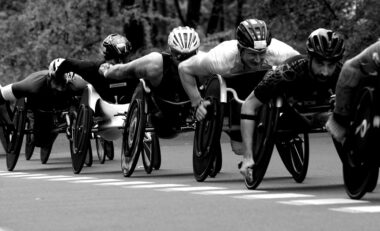
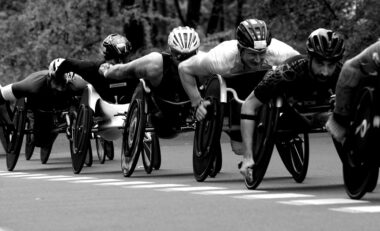
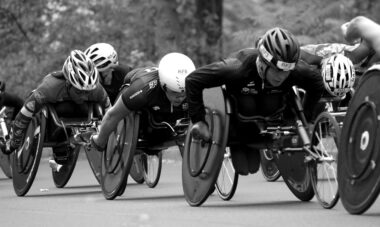
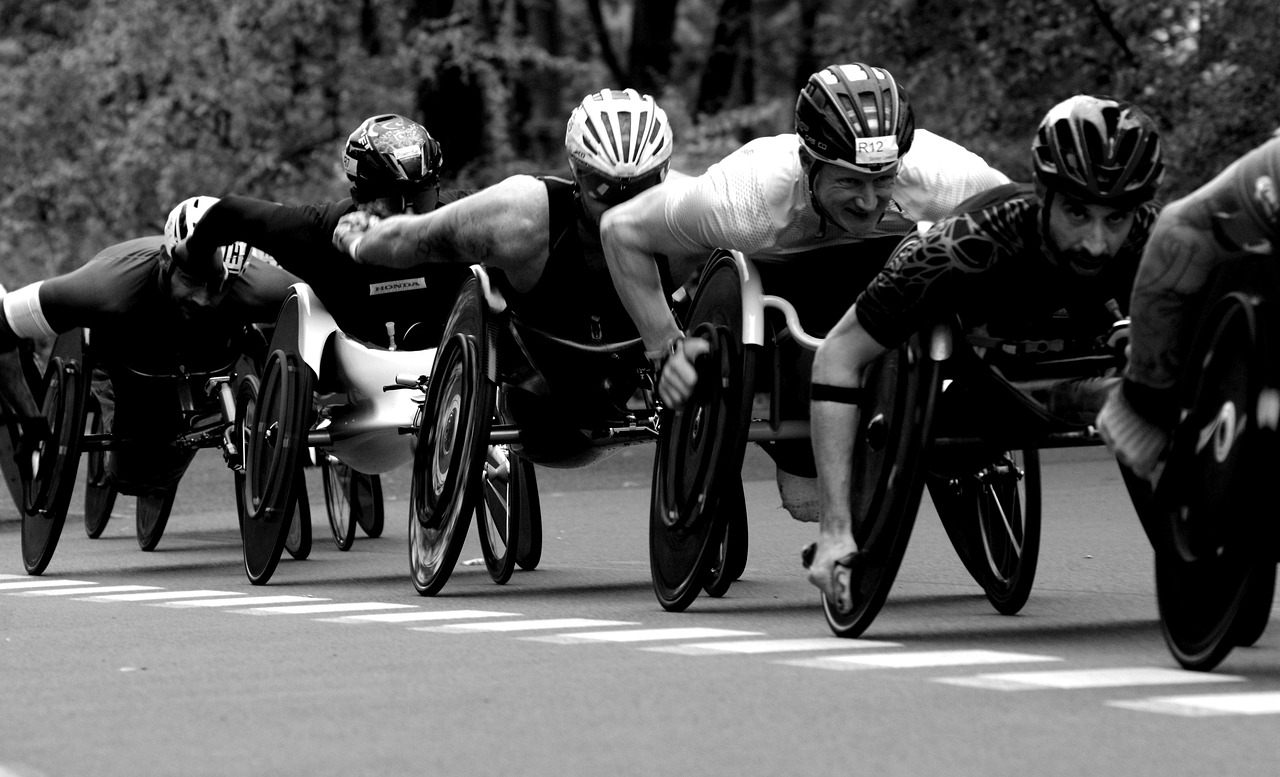
Technological advancements have significantly influenced adaptive fitness events, allowing athletes to enhance their performance and training. Innovations such as adaptive equipment, like wheelchairs tailored for basketball or racing, have transformed the landscape of competitions. Additionally, sectors like virtual reality provide immersive experiences for training and competition simulations. Technology has enabled athletes to monitor their progress meticulously while also allowing fans to engage through enhanced viewing experiences. As a result, competitive adaptive sports are becoming more accessible and exciting, hooking new audiences worldwide.
Moreover, social media has created vital connections among athletes, fans, and sponsors, significantly impacting the popularity of adaptive fitness events. Online communities support athletes financially and emotionally, fostering an environment where successes are celebrated. Platforms such as Instagram and Facebook showcase athletes’ journeys, providing motivation to countless others. Sports organizations utilize these platforms to promote their events, drawing attention to the impressive feats of adaptive athletes. This digital engagement works to normalize adaptive fitness, ensuring its place in mainstream sports culture.
Training programs are vital to ensuring that adaptive athletes can compete effectively. Many countries have established comprehensive training programs focusing on physical health, mental well-being, and technical skills. These programs often involve collaboration between coaches, healthcare professionals, and physical therapists who work together to develop tailored regimens for their athletes. As adaptive fitness events gain traction, investing in training programs ensures athletes can perform at their best, fostering global competition. This holistic approach is crucial in cultivating champions capable of excelling on the world stage.
As adaptive fitness continues evolving, so too do the events that capture the spirit of competition among athletes with disabilities. Each continent showcases unique competitions, evolving standards of excellence. From the grandeur of the Paralympic Games to smaller statewide contests, adaptive fitness thrives on inclusivity, celebrating diverse abilities. The commitment to breaking down barriers and providing equal opportunities fuels athletes’ motivation to excel. As awareness and participation grow, the future is bright for adaptive fitness events, paving the way for a more inclusive society.