
Promoting Diversity and Inclusion in Youth Athletics
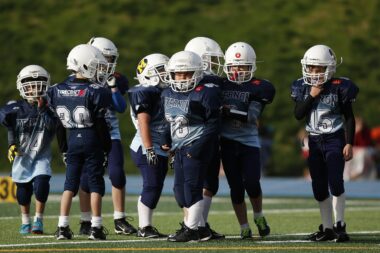
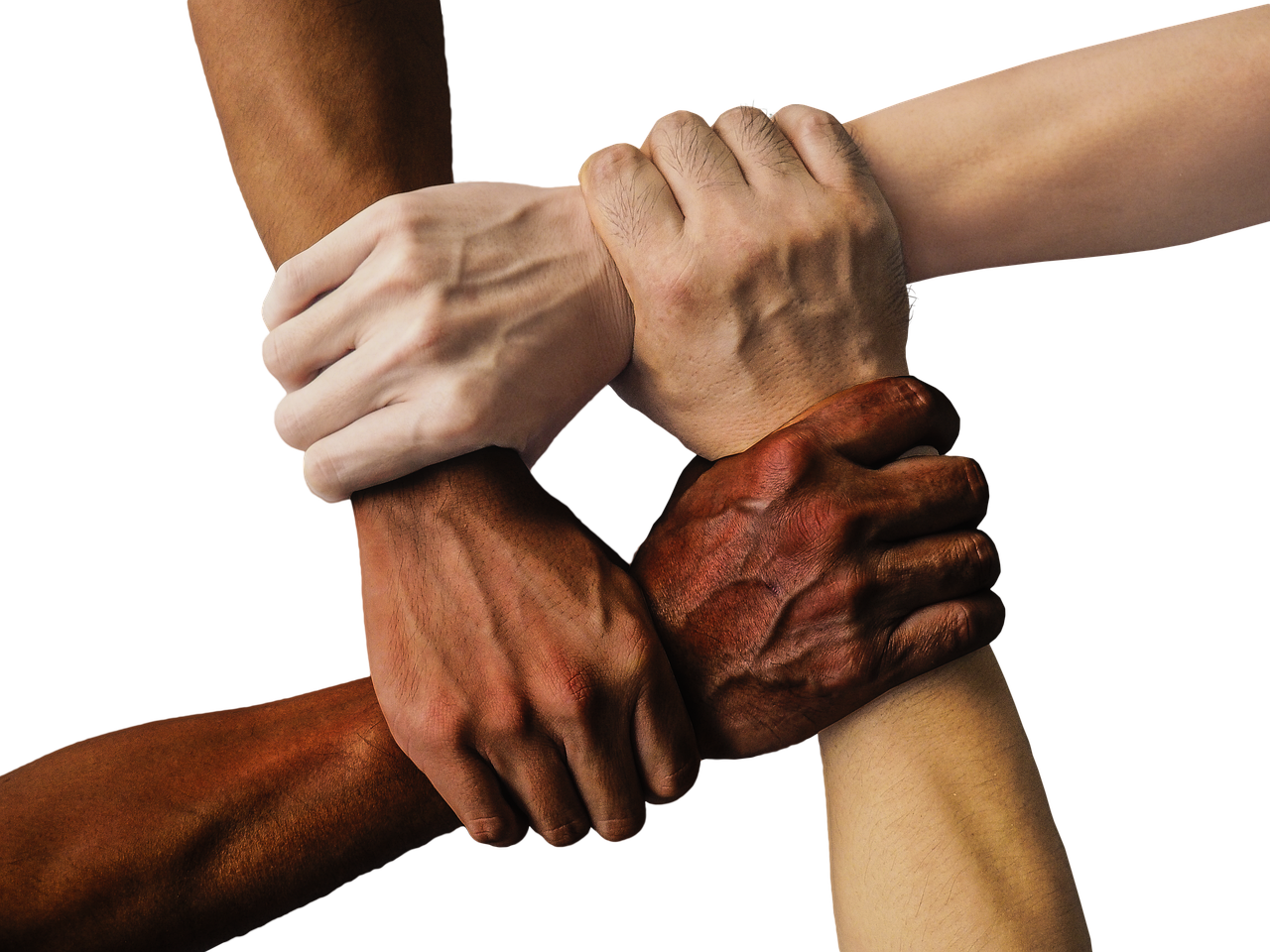
Youth athletics plays a vital role in developing athletic skills, building character, and fostering teamwork among young athletes. However, to maximize these benefits, it’s essential to actively promote diversity and inclusion across all sports programs. Emphasizing equitable access to resources, facilities, and supportive coaching can create an environment where every young individual feels valued and encouraged to participate. Sports organizations must develop comprehensive strategies that address barriers around race, gender, and socio-economic background. By implementing community outreach programs and workshops that educate coaches and athletes about the importance of acceptance and teamwork, we can cultivate a culture that celebrates diversity and champions inclusivity within sports. Collaboration with local schools, clubs, and community organizations can help to identify underrepresented groups and offer tailored support for their sporting needs. Further, recognizing and appreciating the unique talents and perspectives offered by diverse participants can enhance the overall athletic experience for everyone. Together, we can challenge stereotypes and redefine success, shifting focus from mere competition to holistic development and inclusion in youth athletics across the nation.
Inclusive practices are not only beneficial to athletes; they also positively impact coaches and organizers by fostering a sense of belonging within the community. This can be achieved through intentional efforts to create inclusive sports programs that represent the diversity of the population. Educating coaches and leaders on the significance of diversity can promote understanding and compassion among team members, encouraging coexistence and collaboration. Training programs that focus on cultural competency and anti-bias strategies can be highly effective in achieving these goals. Coaches and staff should engage in workshops and seminars designed to break down cultural barriers and amplify underrepresented voices in youth athletics. Additionally, recognizing the essential need for mentorship within sports can create opportunities for youth to learn from accomplished athletes of diverse backgrounds. This connection can inspire the next generation while celebrating individual journeys within athletic pursuits. Community-driven events that showcase multicultural sports initiatives can raise awareness and celebrate local talent, drawing attention to the importance of diversity. Ultimately, making inclusivity a core principle will not only strengthen youth athletics but also ensure that every participant can thrive in a supportive and diverse environment.
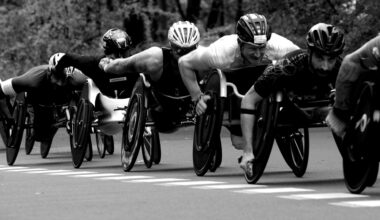
Furthermore, a significant aspect of promoting diversity and inclusion in youth athletics concerns accessibility. This means providing equitable playing fields, financial resources, and support systems for all athletes, regardless of their backgrounds. Addressing financial barriers by providing scholarships, grants, and subsidized fees for families in need can encourage participation among underrepresented groups. Moreover, facilities must be accommodating to children with disabilities, facilitating access to sports for athletes of all abilities and backgrounds. To facilitate this, associations should invest in adaptive sports programs, enabling individuals with disabilities to participate actively in competitive environments. By focusing on accessibility, we not only create a more inclusive sports culture but also bridge gaps between different communities. Through collaborative initiatives, businesses, nonprofits, and local governments can work together to enhance access. These partnerships can prove invaluable in identifying specific needs within communities and tailoring programs accordingly. Moreover, promoting awareness of diverse sports, including those that may not be commonly known in certain demographics, can encourage broader participation and engagement from youth wanting to explore new athletic avenues.
Impact of Role Models
Another key element in promoting diversity is the visibility of role models within youth athletics. When young athletes see individuals who look like them, they can develop aspirations to pursue their own goals within sports. Successfully showcasing diverse athletes can significantly impact the motivation and participation rates among those who might otherwise feel excluded. Coaches, parents, and sports officials should actively encourage role models to engage with young athletes, sharing their experiences and setbacks. Such initiatives can help build an authentic connection between established athletes and those they inspire, fostering teamwork, unity, and shared purpose within teams. Furthermore, initiatives such as mentorship programs, workshops, or community forums centered on diversity can contribute to an environment that emphasizes collective growth. Athletes like Serena Williams, Stephen Curry, and others who represent diversity in sports create pathways for young individuals. Engaging these role models to lead training sessions or speak at events reinforces the commitment to inclusion while presenting tangible examples of success. It allows youth to envision themselves achieving their dreams, strengthening pathways to fitness, participation, and community through athletics.
At the grassroots level, community-based organizations play a crucial role in promoting diversity in youth athletics. By providing safe spaces for children to engage in sports, they help dismantle barriers and invite participation from all demographics. Access to local youth programs can be enhanced through collaborations with schools and local governments, ensuring all children have a chance to play. Additionally, employing diverse coaching staff can not only deliver varied perspectives but also demonstrate commitment towards equity. Offering training specifically aimed at dismantling systemic biases in sports can better prepare coaches to address and celebrate diverse athletes effectively. Organizing events that showcase diverse sports can also highlight previously unfamiliar activities, encouraging children to explore new avenues of athleticism. Community engagement through social media campaigns can attract families, promote events, and spread awareness effectively. Schools and recreation centers should strive to develop inclusive teaching materials that reflect the diversity of their students, ensuring that all children see representations of themselves in their sporting environments. This approach nurtures pride and confidence, promoting the idea that anyone can thrive in the world of athletics, regardless of their background.
Fostering a Sustainable Culture of Inclusion
To ensure the long-term success of diversity efforts in youth athletics, fostering a sustainable culture of inclusion is essential. This requires continuous evaluation of programs and behaviors, maintaining ongoing dialogue among athletes, coaches, and supporters. Transparency in evaluating participation rates among various demographics can shine a light on areas needing improvement. Conducting regular surveys to assess the effectiveness of inclusion initiatives helps organizations address any identified gaps promptly. Building a network of support where shared experiences can inspire positive change is essential for learnings to materialize into action. Additionally, establishing accountability measures for coaches and staff, directly tied to inclusion efforts, can foster a sense of responsibility toward achieving meaningful results. Regularly highlighting and celebrating achievements fueled by diversity can serve as inspiration for future generations striving to prove themselves in athletics. In acting collectively, organizations can work towards promoting a deep-rooted culture that values all athletes, amplifying their voices while fostering a sense of belonging. Eventually, this culture should lead to a significant shift in how youth athletics is perceived and experienced across communities nationwide.
In conclusion, promoting diversity and inclusion within youth athletics is essential for driving positive change and creating a thriving athletic environment for everyone. Collective efforts from community members, local organizations, and sponsors can work harmoniously to ensure equitable access and resources. The critical role of education cannot be overstated; instilling awareness and understanding within coaches and athletes can create an inclusive and supportive atmosphere. By implementing strategies that prioritize diversity, youth athletics can develop not only exceptional athletes but also compassionate individuals ready to tackle societal challenges head-on. Celebrating successes and learning from setbacks will form the foundation for continuous improvement as we work towards achieving our goals. Together, we can advance youth athletics forward, enriching individual lives and communities, while fostering meaningful connections through teamwork and sportsmanship. As we move forward, let’s champion the cause of inclusivity and diversity, empowering the next generation of sports stars to shine, regardless of their differences. Introducing policies and measures that prioritize supportive structures will pave the way for future generations to excel in an environment where everyone belongs. All stakeholders must remain committed to this mission, ensuring the sustained impact of our efforts for years to come.