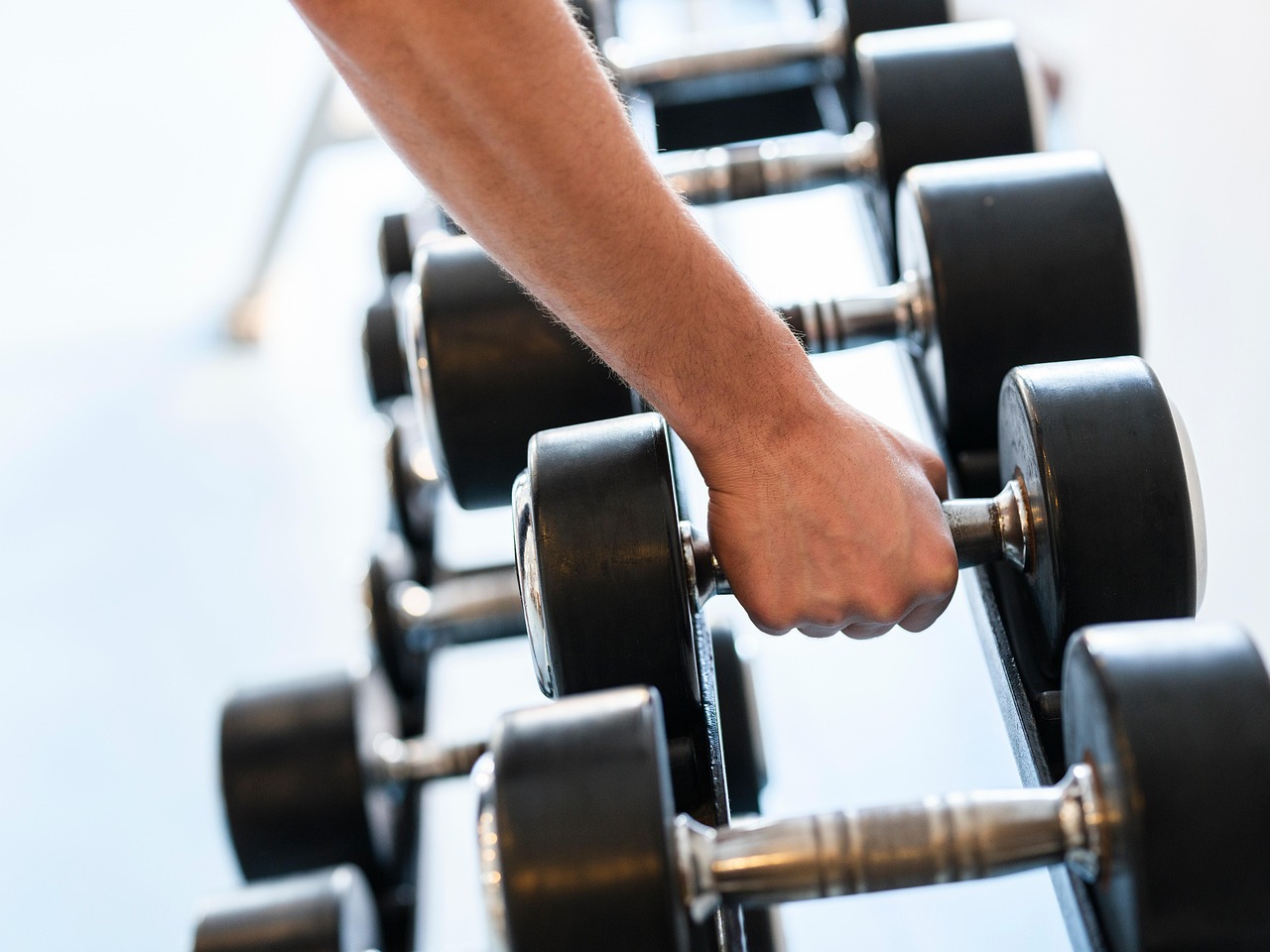

Using Dumbbells for an Effective Upper Body Strength Regimen
Dumbbells are a fantastic tool to build upper body strength effectively. With their versatility, you can target almost every muscle group in your upper body, enhancing both your aesthetics and functional strength. Incorporating dumbbell exercises into your routine helps in engaging stabilizing muscles, promoting balance and coordination. A well-rounded upper body regimen includes the major muscle groups: your chest, back, shoulders, and arms. Depending on your fitness level, you can adjust the weights to match your strength capacity. Start with lighter weights to master the movements before progressing to heavier dumbbells. Consider also varying your repetitions and sets, adjusting as needed based on your training goals. Comprehensive exercise programs incorporating dumbbells may significantly improve muscle hypertrophy. Prioritize form over added weight to prevent injuries. Explore different exercises like rows, presses, and lifts that focus on these primary regions. Finally, consistency is crucial; aim to train your upper body with dumbbells at least twice a week for optimal results. Keep track of your progress to maintain motivation and adjust your regimen accordingly. This will ensure continual adaptation and strength gains.
To maximize results, it’s essential to have a structured upper body strength plan. Your plan should include a variety of dumbbell exercises that target all the upper body muscles, allowing for balanced development. Start with foundational movements such as the dumbbell bench press, which effectively engages your chest and triceps. Pair this with bent-over dumbbell rows to develop your upper back and biceps, encouraging proper posture. Additionally, shoulder presses and lateral raises can enhance shoulder stability and size. Lower weights with higher repetitions can be particularly effective for tone and endurance, while heavier weights with fewer repetitions focus more on building size and power. Don’t forget the importance of rest days; muscles grow during recovery, making rest just as important as the workouts. Also, consider incorporating functional movements that mimic daily activities, which can improve your overall strength and daily performance. As you progress, it may be beneficial to switch up your routine every several weeks to integrate new challenges. Increasing weight, changing grip styles, or adding tempo variations can lead to unique adaptations in muscle groups. Always remember to warm up and stretch before starting your regimen to prevent injuries while optimizing your performance.
The Importance of Proper Form
Using dumbbells offers an incredible array of exercises, yet proper form is vital to prevent injuries. Improperly executed movements can lead to strain and diminish the effectiveness of your workouts. Start with exercises like the dumbbell fly; ensure that your elbows are slightly bent while lowering weights to avoid shoulder strain. The same principle applies to overhead press movements; maintain tightness in your core and a neutral wrist position. This will stabilize your body and foster stronger lifting techniques. Always perform exercises in a controlled manner, appreciating the full range of motion. A controlled tempo engages your muscles more effectively and yields better results. As you lift, concentrate on contracting the target muscle fully at the peak of the movement. Frequent mirrors or trainers can help you identify areas where your form may need adjustments. It’s critical to remember that lifting beyond your capacity will result in the temptation to sacrifice your posture for weight. Focus on quality rather than quantity; this philosophy will lead you to sustained progress and long-term success in your fitness journey. Encourage progression in your workouts, but always prioritize executing movements safely and effectively above all else.
Incorporating dumbbells for an upper body strength regimen also boosts your metabolism. As you build muscle mass, your body becomes more efficient at burning calories, even at rest. This metabolic increase is essential not just for strength but also for weight management or loss, if that’s your goal. It’s often easy to focus solely on aesthetics; however, the functional benefits of building strength through dumbbell exercises can improve your daily life activities. Everyday tasks, such as carrying groceries or lifting children, can become easier as your overall strength improves. Moreover, by varying your workouts, you also keep the routine interesting, which helps maintain motivation. For cardiovascular benefits alongside strength training, aim for a more dynamic workout. Circuit training, which includes dumbbell exercises in rapid succession without breaking for long intervals, can be an exciting option. This not only keeps your heart rate elevated but can also contribute to better fat loss. Additionally, consider joining classes or following online workout programs designed specifically around dumbbell training. Engaging with fitness communities can provide the camaraderie and encouragement necessary to meet your strength training objectives.
Nutrition for Strength Training
No upper body strength regimen can attain maximum effectiveness without proper nutrition. Fueling your body with the right nutrients is crucial for performance, recovery, and muscle growth. Consuming high-quality proteins is vital as they serve as building blocks for muscle repair. Focus on integrating lean meats, fish, eggs, dairy, legumes, and nuts into your meals. Coupling these with a balanced intake of carbohydrates ensures you maintain energy levels for your workouts. Healthy carbohydrates can be sourced from whole grains, fruits, and vegetables, which also provide essential vitamins and minerals that support overall health. Furthermore, do not underestimate the importance of hydration. Adequate water intake is crucial for optimal performance and recovery, particularly during strength training sessions. During intense workouts, your body systematically loses water, and replenishing it aids muscle recovery and function. Taking the time to create a meal plan that focuses on these key areas can significantly amplify the strength outcomes of your dumbbell workouts. To enrich your nutrition knowledge, consider consulting with a registered dietitian who specializes in sports nutrition. This ensures you get tailored advice based on your specific goals and physical requirements.
As you progress through your upper body training plan, tracking your progress becomes pivotal. Keeping a detailed log can help you observe trends, achievements, or areas needing improvement. Use a fitness journal or mobile application to record details such as weights, repetitions, sets, and even how you feel during workouts. This data becomes essential when determining which exercises yield the best results or if you should switch your routine. Regular assessments help identify when it’s time to increase weights; this progressive overload is what leads to strength gains most effectively. Revisit your goals periodically; setting both short- and long-term goals helps maintain focus and purpose. Celebrate small milestones, such as completing a set number of repetitions with higher weights. This sense of accomplishment can stimulate your motivation and renew your commitment to the plan. Consider engaging with online communities or partners who share similar goals; this can build a support network that encourages accountability. Lastly, always ensure you adapt your plan according to any feedback from your body. Listening to your body’s signals helps avoid burnout and injury, leading to a sustainable fitness journey.
Conclusion
In summary, using dumbbells in your upper body strength regimen can lead to substantial improvements in both strength and fitness. This tool’s versatility allows for a myriad of exercises targeting all essential muscle groups. By focusing on proper form, adjusting nutrition, and consistently tracking progress, you can maximize your results. Establishing a balanced training plan with rest and recovery is just as important. Varying your workouts and integrating new challenges will keep you engaged while also preventing plateaus. Don’t overlook the advantages of community; joining classes or consulting with trainers can enhance your understanding and execution of exercises. As you embrace this journey, remember that every small step counts. Set realistic expectations, and embrace the changes your body undergoes. This journey toward upper body strength doesn’t just change your physique; it also fosters discipline and self-confidence. View each workout as a stepping stone towards a healthier lifestyle. By passionately engaging with your upper body strength program, you will ultimately open the door to new achievements both physically and mentally. So grab those dumbbells, set your goals high, and begin your journey today!