
Adapting Group Classes for Senior Women’s Fitness Needs
Adapting group classes for senior women’s fitness needs is essential in ensuring an inclusive environment that promotes health and well-being. With a growing population of seniors, fitness programs must be tailored specifically for their requirements. A few key aspects to consider include modifying the intensity of workouts, adjusting the duration of classes, and ensuring safety protocols are strictly adhered to. Tempo alterations can optimize performance while reducing injury risks. Also, providing various levels, from beginner to advanced, enables everyone to participate comfortably. Furthermore, the incorporation of assistive devices can empower participants, making exercises accessible for women with mobility limitations. Encouraging social interaction among senior women builds community, enhances motivation, and fosters friendships that can persist beyond fitness classes. Engaging activities can help combat loneliness, particularly for those living independently. Certified instructors trained in senior fitness are crucial, as they can identify limitations and customize programs to address the unique needs of older women. Lastly, regular feedback from participants helps improve classes while making them enjoyable and effective for all. An inclusive group environment promotes longevity in fitness involvement, enhancing overall life quality for senior women.
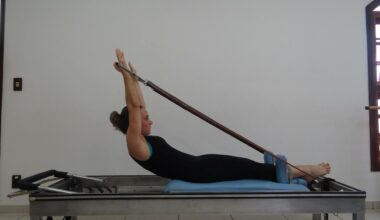
Class schedules should be flexible to accommodate the varying lifestyles of senior women. A multitude of time slots allows for a more personalized experience and may increase participation rates. Additionally, offering a mix of class formats, such as yoga, Pilates, and water aerobics, can cater to diverse interests and fitness levels. When creating a balanced class schedule, it is essential to consider periods preceding and succeeding other activities that seniors might partake in, such as social gatherings or medical appointments. A focus on low-impact routines contributes significantly to joint health and overall well-being. Implementing gentle warm-up exercises at the beginning of each class ensures that participants can acclimate their bodies while minimizing injuries. Cool-down sessions incorporating stretching yield benefits in flexibility and muscle recovery. Instructors should also emphasize the importance of hydration, particularly in warmer conditions. Reminders to drink water can foster a culture of health consciousness. Moreover, interspersing educational elements about nutrition and wellness can inspire healthier lifestyle choices. Incorporating these elements into classes will benefit both mental and physical health, highlighting the importance of a holistic approach. Meaningful engagement strengthens the community, enhancing the longevity of fitness dedication among senior women.
Creating a Supportive Environment
A supportive environment plays a crucial role in motivating senior women to stay physically active. Encouraging camaraderie within classes fosters friendships and support networks that enhance motivation. Incorporating partner or group exercises can help build trust and provide opportunities for social interaction. Having a buddy system within fitness classes can lead to increased accountability, as participants encourage one another to attend sessions regularly. Additionally, recognizing individual achievements, regardless of the scale, instills confidence in senior women. Leaderboards showcasing participation or improvement milestones create a sense of achievement without fostering competition. Regularly featuring participant success stories or progress on social media platforms can inspire others. Accessibility is another vital component; ensuring the physical space is accommodating for all abilities, including utilizing ramps and ensuring equipment is reachable, enhances participant retention. Employing age-appropriate music can uplift spirits and contribute to a positive workout atmosphere. Furthermore, offering childcare options or companionship can eliminate barriers for grandmothers or those with caregiving responsibilities. Finally, promoting self-compassion alongside physical health can significantly bolster participation. Education on the importance of listening to one’s body emphasizes making fitness enjoyable, leading to lasting changes in lifestyle.
Integrating technology in fitness classes for senior women can enhance their experience and engagement levels. Technology offers several modes for incorporating fitness effectively, ranging from wearable devices that monitor heart rate to online workout platforms tailored for seniors. These technological tools can provide participants with instant feedback on performance, enhancing motivation and progress tracking. Utilizing apps designed for seniors can deliver tailored workouts, dietary recommendations, and reminders, offering an engaging way to stay connected with their fitness journeys. Engaging apps or websites can further extend class discussions, creating a space for questions and community interaction. Online participation options can help those physically unable to attend group classes feel included and connected. Additionally, social media groups dedicated to fitness give seniors a platform for sharing experiences, tips, and encouragement outside the classroom. Affordable class opportunities facilitated online can lessen economic barriers in accessing quality programs. Special workshops introducing new technologies, including virtual reality for fitness or online tutorials, would provide exciting elements. Providing basic tech assistance ensures everyone feels comfortable navigating these resources, expanding the fitness community further. Ultimately, technology empowers senior women, enhancing their control over personal fitness journeys and fostering accountability.
Focusing on Nutrition Education
Nutrition plays a crucial role in any fitness regime, and providing nutritional education tailored to senior women is vital for their overall health. Including nutritionists or dieticians in workshops can empower participants with knowledge on managing specific dietary needs, common among older adults, such as salt and sugar intake. Offering cooking demonstrations or meal prep classes can foster practical skills, making the nutritional content actionable. Additionally, it is essential to address common myths about diet and exercise circulating within communities. Providing credible resources can help participants make informed food choices, directly influencing energy levels, recovery, and fitness outcomes. Customized meal plans can cater to individual preferences and dietary restrictions, ensuring participants feel comfortable and satisfied. Discussing the importance of vitamins and minerals along with hydration tailored for older women can further enhance their physical performance. Regularly inviting guest speakers who specialize in geriatric nutrition foster engagement and knowledge sharing. Senior-friendly cookbooks or resources can be made accessible to participants to encourage at-home experimentation. Ensuring that nutrition education complements the physical activity promoted in fitness classes can significantly influence the health trajectories among senior women.
Setting realistic goals is essential to enhance the effectiveness of fitness programs for senior women. Facilitators should encourage participants to establish individualized, attainable goals that promote consistency rather than perfection. Implementing SMART (Specific, Measurable, Achievable, Relevant, Time-bound) criteria can help set goals that cultivate motivation and gradual progression. Ensuring that progress evaluations occur regularly allows participants to recognize improvements, adjusting goals as necessary. Sharing these goals with the group fosters accountability and generates encouragement among peers. Additionally, providing guidance on tracking progress through logs or journals offers insights into successes experienced during workouts. This system enhances healthy habit formation by identifying patterns and obstacles in reaching goals. Furthermore, celebrating milestones reinforces dedication and progress, showcasing the importance of long-term commitment. Workshops focused on maintaining motivation when facing challenges are equally essential; developing coping strategies for setbacks can positively influence engagement. Including inspirational testimonials from former participants illustrates the potential benefits fitness can offer. Lastly, creating a collaborative environment where members can share personal health journeys adds a sense of community. Providing tailored support increases the likelihood of senior women sustaining fitness routines, improving both physical health and emotional well-being.
Conclusion: Sustaining Engagement in Fitness
To achieve sustainability in senior women’s fitness, providing opportunities for ongoing engagement is essential. Expanding program offerings with various activities challenges participants while keeping interest alive. Options may include walking clubs, dance classes, or group excursions, which can create enthusiasm around fitness. Encouraging exploration beyond traditional gym environments reinforces a holistic approach to health, showing that fitness involves fun and active participation in everyday activities. Furthermore, dedicating resources to create fitness events that appeal specifically to senior women strengthens community ties. Organizing regular social gatherings following workouts invites participants to share stories and support each other outside of structured classes. Offering stroke awareness day, health fairs, or participating in charity walks subtly integrates fitness with contributing to meaningful causes, providing additional motivation. Instructor feedback can significantly enhance retention; surveys can gauge class satisfaction and reveal areas for improvement. Staying attuned to participant preferences, interests, and feedback is vital for evolving programs successfully. The incorporation of personalized approaches, social engagement, and community-building initiatives will lead to improved outcomes. Thus, fostering a comprehensive supportive environment is pivotal in promoting a lasting commitment to health and fitness for senior women.